
Why Children Often Exit Shared Screens More Peacefully When Parents Name What the Device Will Do Next
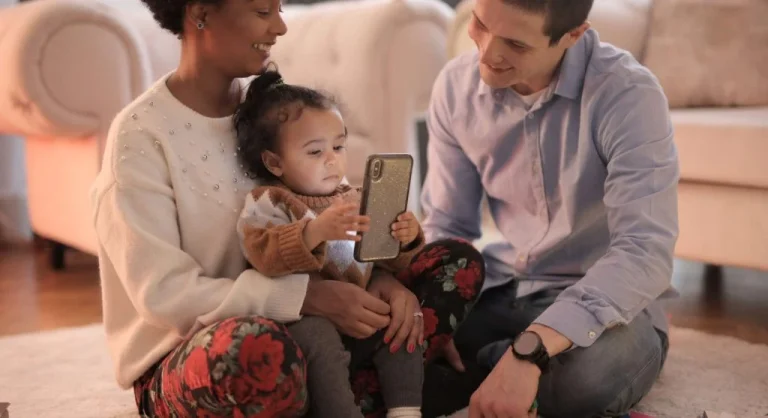
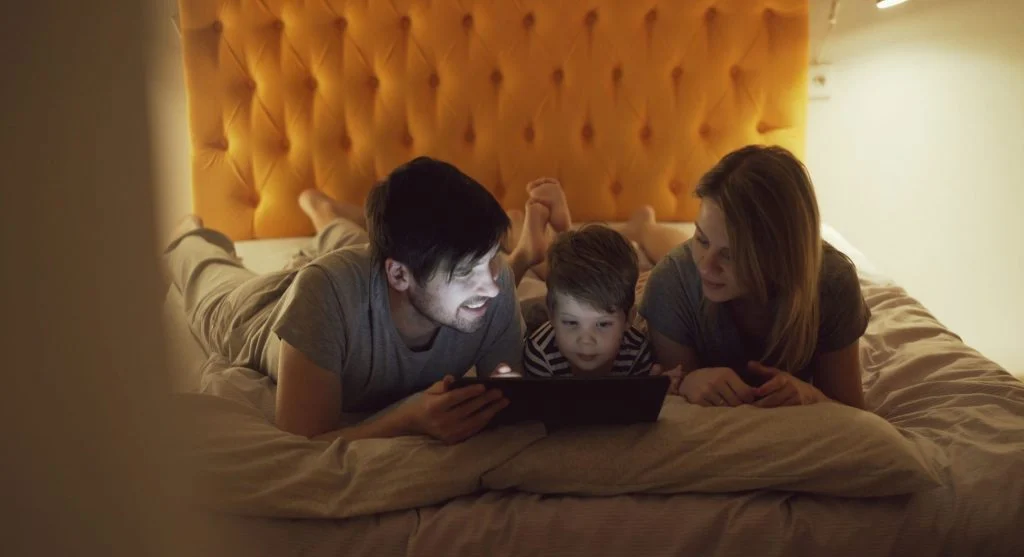
Shared screens can create a very specific kind of family tension. A child may be using a parent’s phone, the family tablet, or a shared laptop for a short time, and then the adult suddenly says it is over. Even when the limit is expected, the handoff can still trigger protest, bargaining, or repeated requests. Family media specialists generally note that children often exit shared screens more peacefully when parents name what the device will do next because the child understands that the screen is not disappearing into a vague adult-only world. In many homes, the emotional difficulty comes partly from not knowing what happens to the device once the child is done with it.
This matters because children often respond better to routines that continue visibly beyond their own turn. Development guidance often suggests that a simple statement such as “The tablet is going back to charge now,” “The phone is going back to my work bag,” or “The laptop is closing and going on the desk” can make the end of screen time feel more structured and less personal. Over time, this can reduce conflict because the ending feels like part of a predictable device routine rather than a sudden removal controlled only by adult power.
Shared Devices Often Feel Like They Vanish Into Uncertainty
When a child uses a personal toy or one of their own books, the next step is usually obvious. The object stays nearby, goes back to a shelf, or remains in the child’s environment. Shared screens often feel different. The child hands the device over, and it seems to disappear into adult space. That can make the transition feel sharper because the child has no clear picture of where the screen is going or why the turn is truly over.
Child development specialists generally explain that children manage endings better when the next stage of the object or activity is understandable. In many families, shared screens become harder to leave because the child is not only losing access. The child is also losing sight of the device’s path after the turn ends.
Naming the Device’s Next Step Gives the Ending More Shape
When parents say what the device will do next, the child hears a concrete sequence. The tablet is charging. The phone is going back to work use. The laptop is being closed for dinner. The screen is no longer only being taken away. It is moving into its next role. That shift in language can change the child’s experience of the ending in a meaningful way.
Family routine experts generally note that children often tolerate transitions better when the adult describes what happens after the child’s part is complete. In many homes, this makes screen endings smoother because the child can picture the next step instead of feeling cut off by something unexplained.
Children Often Resist Less When the Ending Sounds Routine-Based
One reason device conflict becomes intense is that children can experience the end of a turn as a direct contest between themselves and the adult. The device feels taken because the adult wants it back, not because the routine itself has a natural next stage. Naming what the device will do next often changes that feeling. The ending sounds more like the device has a place and purpose beyond the child’s turn.
Development specialists generally explain that children calm faster when limits sound tied to routine instead of tied only to authority. In many homes, this helps because the child begins seeing the device as part of a family system rather than as a prize that adults simply remove.
The Device’s “Next Job” Can Make the Child’s Turn Feel Complete
Children often struggle with shared screens because their turn feels abruptly interrupted instead of properly finished. When adults mention the device’s next job, the child hears a fuller sequence: your turn is done, and now the device has its next place or purpose. This can make the child’s use feel more complete because the device is not being left in emotional limbo.
Child behavior experts generally note that children often do better when the end of an activity is followed by a clear next phase. In many families, the repeated requests for “one more second” lessen because the child understands that the device is already moving into the next part of its routine.
Children Often Accept Limits More Easily When Ownership and Use Are Separated Clearly
Shared screens can blur the difference between using something and owning it. A child may feel, for a few minutes, as though the device has become partly theirs because it is in their hands and fully capturing their attention. A calm statement about what the device will do next helps re-establish the reality that the screen belongs to a larger household pattern. The child had a turn, but the device itself still has its own place afterward.
Family communication specialists generally note that children cope better when adults make roles and boundaries clearer without sounding harsh. In many homes, naming the next step of the device helps reset that boundary gently and clearly.

This Habit Often Reduces Repeated Questions Right After Screen Time
Many screen-time endings trigger the same follow-up questions. Where is it going? Can I use it again later? Why are you taking it? What are you doing with it now? Parents sometimes answer these questions only after the protest has already started. Naming the device’s next step early often reduces those loops because the child already has part of the answer.
Parenting specialists generally note that children ask fewer repeated questions when adults explain the immediate next stage of a transition before confusion takes over. In many families, the after-screen conversation becomes shorter because the child is not left guessing about where the device went.
It Can Help Children Shift Attention Toward the Next Real-World Activity
A strong transition does not only end one thing. It also supports the beginning of something else. When children hear what the device is doing next, it often becomes easier for them to understand what they are doing next as well. The screen is charging, and the child is washing hands. The phone is returning to work, and the child is joining snack time. The laptop is closing, and the family is heading out. The shift becomes parallel instead of one-sided.
Development guidance often suggests that children do better when both sides of a transition are made visible. In many homes, this makes screen endings smoother because the child is not only leaving the screen. The child is moving into a next step that makes sense alongside it.
Parents Often Sound Less Defensive When They Explain the Device’s Next Step
This small habit can help adults too. Without it, many parents end up sounding repetitive and defensive: because I said so, because time is up, because that is enough. Those answers may be true, but they can keep the emotional focus on control. Naming the next job of the device often sounds steadier and more matter-of-fact. The device is returning to its place, and the routine is continuing.
Family routine experts generally note that children respond better when adults sound organized and calm during transitions. In many homes, parents find device endings easier when they shift from defending the stop to describing what happens next.
This Works Best When the Device Actually Has a Consistent Place
Children usually benefit most when the explanation is tied to a real repeated pattern. If the tablet sometimes charges in one room, sometimes stays on a couch, and sometimes disappears into a drawer without any pattern, the ending may still feel unpredictable. A more consistent home for the device makes the explanation stronger. The child learns that the screen always goes somewhere known after shared use.
Child development specialists generally explain that routines gain meaning through consistency. In many families, the child accepts the ending more easily because the next step of the device has become familiar enough to trust.
Why Children Often Exit Shared Screens More Peacefully
Children often exit shared screens more peacefully when parents name what the device will do next because the ending feels more structured, more visible, and less personal. The child is not only being told that the turn is over. The child is being shown how the device fits back into the family routine after the turn ends. That often makes the handoff easier to understand and easier to accept.
In many families, calmer digital transitions do not come only from time limits. They also come from better endings. Over time, one simple habit of naming the screen’s next step can reduce conflict, shorten repeated asking, and make shared device routines feel clearer for everyone.
FAQ
Why does telling a child what the device will do next help?
Because it gives the ending a visible routine and helps the child understand that the screen is moving into its next role instead of simply being taken away without explanation.
Does this work only for tablets?
No. It can help with phones, tablets, laptops, and other shared screens as long as the device has a predictable next place or next use after the child’s turn.
Should parents still use time warnings?
Yes. Time warnings can still be useful, but many children handle the ending better when they also hear what the device is doing next.
What if my child still asks for the device again?
Some disappointment may still happen, but many children ask less when the device’s next step is explained clearly and followed consistently.
Internal Linking Suggestions
Link this article to posts about ending screen time calmly, setting up a family charging station, shared device rules at home, helping children with transitions, and healthy digital routines for families.
Key Takeaway
Children often exit shared screens more peacefully when parents name what the device will do next because the handoff feels like part of a predictable routine instead of a sudden removal. Explaining where the screen is going or what its next job is can reduce repeated questions and make the ending feel more complete. Families often improve digital habits not only through limits, but through clearer transitions. Over time, this small communication habit can make shared screen routines calmer and easier to manage at home.