Why Children Often Remember Family Traditions More Clearly When the Same Small Job Belongs to Them Every Time
Family traditions often become memorable because they repeat over time, but repetition alone is not always what helps children remember them. Family relationship specialists generally note that children often recall traditions more clearly when the same small responsibility belongs to them each time. Personal involvement gives the tradition a stronger emotional anchor. In many families, a child may forget parts of the outing, meal, or sequence of events, yet remember with remarkable clarity that they were the one who handed out the spoons, carried the picnic blanket, chose the song, or placed a special object in its usual spot.
This matters because children do not only remember what happened. They often remember how they participated. Development experts frequently suggest that when a recurring family tradition includes a simple, dependable role for a child, the tradition becomes easier to recognize and more meaningful to remember. Over time, that small responsibility can strengthen memory, deepen a sense of belonging, and help children feel that family traditions are not just events they attend, but rituals they help create.
Children Often Remember What They Do More Than What They Watch
Adults sometimes assume that the most memorable part of a family tradition is its biggest feature. They may expect children to remember the destination, the decorations, the gathering, or the meal itself. Children often remember something much smaller. If they perform the same task every time, that action can become the clearest memory associated with the tradition. The repeated role serves as a mental marker that helps organize the entire experience.
Child development specialists generally explain that active participation often creates stronger memories than passive observation. In many families, children remember traditions through the part they played rather than simply through what they saw happening around them.
A Small Repeated Job Makes the Tradition Feel Personal
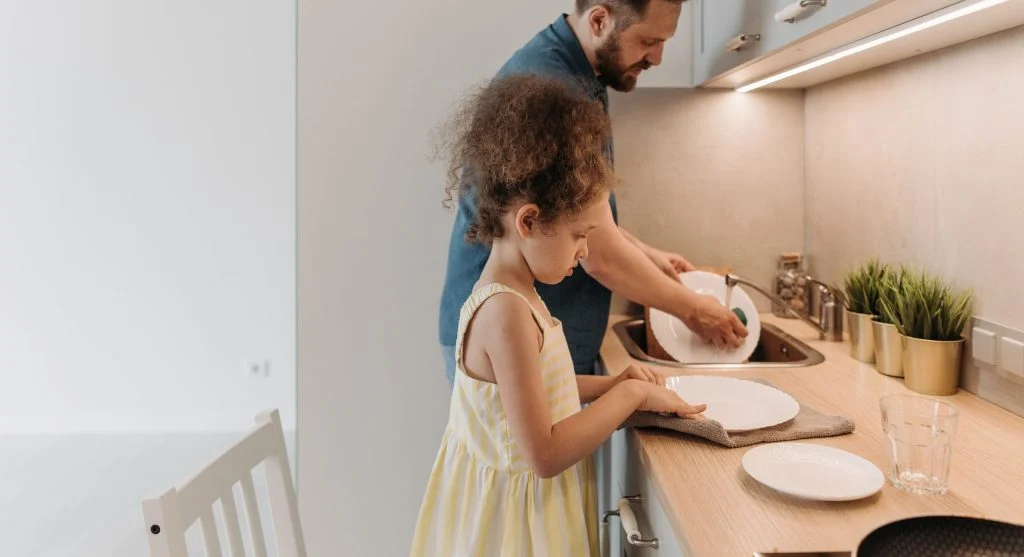
Traditions often feel more meaningful when children have a place within them that clearly belongs to them. Even a simple responsibility can create this sense of ownership. A child who always sets out the cups, carries the napkins, starts the music, or opens the family storybook may begin to experience the tradition differently.
Instead of feeling like an event organized entirely by adults, the tradition becomes something the child actively helps shape. Family bonding experts generally note that children connect more deeply to recurring family experiences when their role remains visible and dependable. In many homes, a small responsibility creates a quiet but powerful sense of importance.
Repetition Helps Children Recognize What Matters
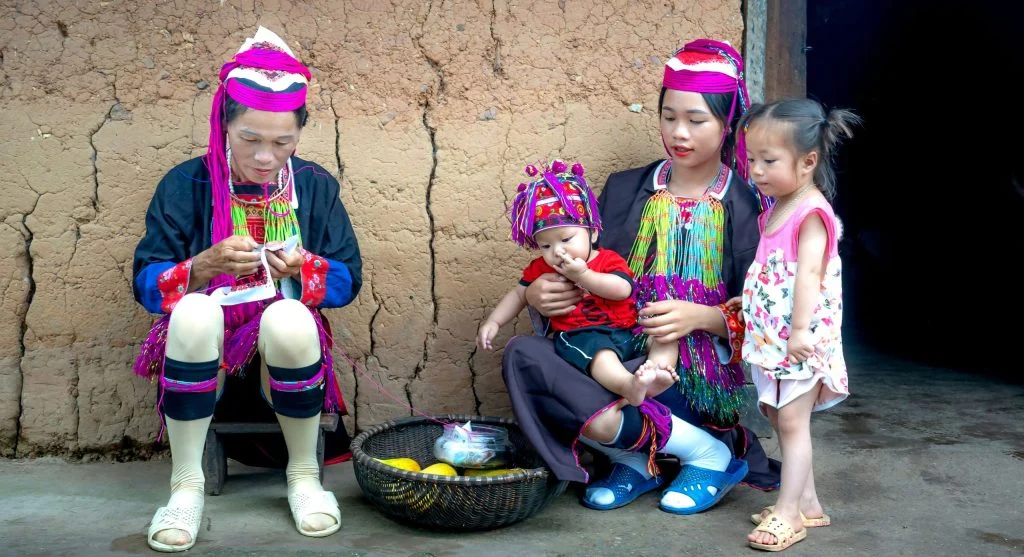
Children often rely on repetition to understand which events hold special meaning. When the same responsibility appears each time, it becomes a signal that something important is happening. The child learns to recognize the pattern and understand that the event is different from ordinary daily routines.
Development specialists generally explain that children use repeated cues to organize emotional experiences. In many families, a child’s small role becomes one of those cues, helping them identify and anticipate meaningful family traditions.
Belonging Often Grows Through Participation
Children usually experience belonging through action as much as through words. Hearing “you are part of this family tradition” can be meaningful, but carrying out a role that consistently belongs to them often communicates the same message in a more powerful way.
Through participation, children experience their place within the family pattern. They do not simply hear that they belong—they feel it. Family relationship specialists generally note that children often feel most connected when trusted with small but meaningful responsibilities. In many homes, the repeated role quietly reinforces the message that the tradition includes them in an important way.
Small Jobs Are Easier to Repeat Consistently
Part of what makes these roles effective is their simplicity. Children are more likely to remember and repeat a small task than a complicated one. Simple responsibilities tend to survive busy schedules, changing circumstances, and different stages of childhood. Parenting experts often explain that family traditions become stronger when their repeated elements are realistic enough to last. In many families, the child’s role becomes meaningful not because it is large or impressive, but because it remains consistent year after year.
Children Often Look Forward to Their Role
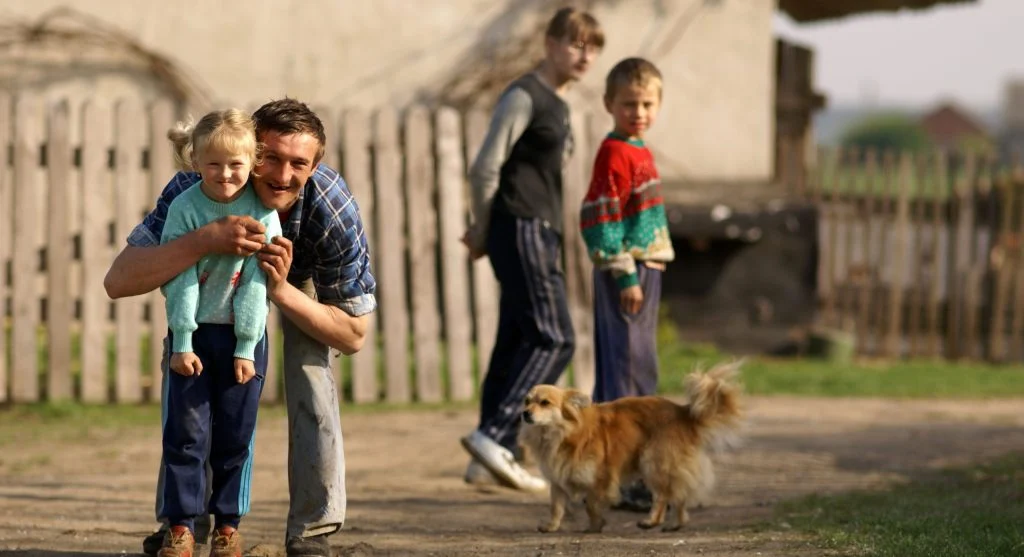
Once a small responsibility becomes part of a family tradition, children frequently begin anticipating it before the event even starts. They may ask when it will be time to do their job, remind adults if the step is forgotten, or automatically move toward their task without being prompted.
This anticipation often reveals how strongly the role has become connected to the tradition in the child’s mind. Child development specialists generally note that anticipation is one sign that a family ritual has gained emotional significance. In many homes, the child’s role becomes part of the excitement and helps them mentally enter the tradition before it fully begins.
Repeated Roles Can Reflect Growth Over Time
Another reason children remember these jobs so clearly is that the role often evolves as they grow. A toddler who once carried napkins may later help set the table. A young child who pressed a button to start a favorite song may eventually take responsibility for choosing the playlist.
The responsibility remains familiar while gradually adapting to the child’s increasing abilities. Development experts frequently suggest that children benefit when family traditions make room for growth. In many homes, a familiar role becomes even more meaningful because it allows children to see how their capabilities have changed over time.
Small Roles Make Memories Easier to Revisit
When families talk about traditions later, the child’s role often becomes the detail that helps unlock the memory.
A child may say:
- “That’s when I carry the basket.”
- “That’s when I put the candle on the table.”
- “That’s when I choose the first song.”
The repeated action becomes a concrete reference point that helps bring the larger experience back into focus. Family bonding specialists generally note that children often store memories through specific actions rather than abstract meanings. In many homes, the child’s role becomes the key detail that makes the tradition easier to remember years later.
The Best Family Roles Are Simple and Meaningful
Families do not need elaborate responsibilities to make traditions memorable.
The most effective roles are usually:
- Easy to understand
- Simple to repeat
- Clearly connected to the tradition
- Meaningful enough to feel genuine
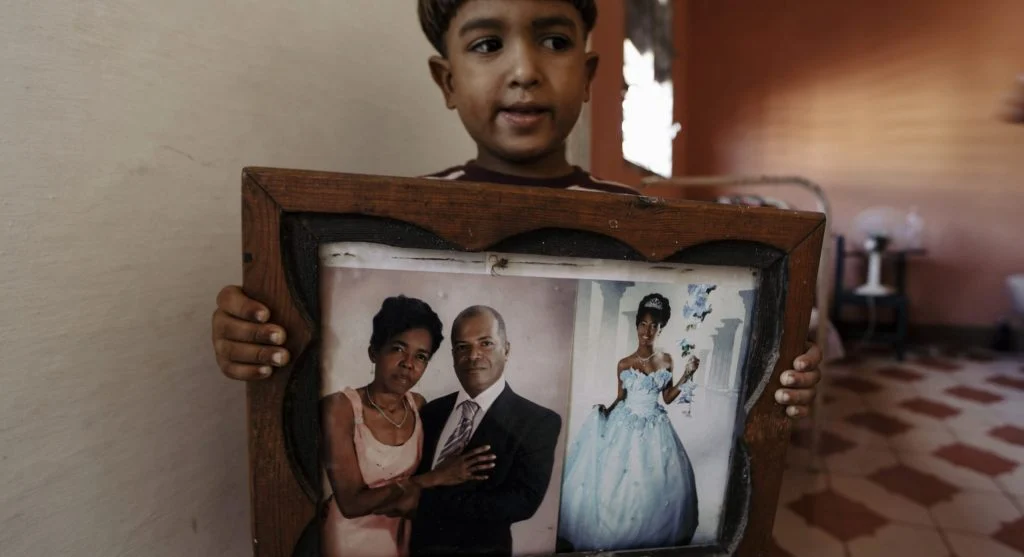
What matters most is consistency. The child should be able to recognize the responsibility as their special contribution each time the tradition occurs. Parenting experts generally note that children respond best to roles that feel authentic rather than symbolic. In many homes, the smallest jobs become the most memorable because they genuinely contribute to the experience.
Why Children Often Remember Family Traditions More Clearly
Children often remember family traditions more clearly when the same small job belongs to them every time because that role creates a personal connection to the event. Instead of remembering only what happened around them, they remember what they did within the shared experience. That participation strengthens memory, deepens connection, and reinforces a sense of belonging.
In many families, memorable traditions are not defined solely by the event itself. They are shaped by the small, repeated roles that give children a dependable place within the ritual. Over time, one simple responsibility can help transform an ordinary family routine into a cherished tradition.
FAQ
What kind of small job works best in a family tradition?
A small job usually works best when it is clear, repeatable, and genuinely connected to the tradition, such as setting one item out, carrying something simple, or choosing one repeated element.
Does the same role need to stay exactly the same forever?
No. The role can grow with the child as long as it stays recognizable enough to feel like the same special place in the tradition.
Why do children remember these little jobs so strongly?
Because active participation often creates stronger memory than passive observation, especially when the action repeats across time.
Can this help simple traditions feel more meaningful?
Yes. Even small family routines can feel more memorable when the child has one clear dependable part in them every time.
Internal Linking Suggestions
Link this article to posts about simple family rituals, traditions that grow with children, family memory-making ideas, ways to build belonging at home, and small jobs that support childhood confidence.
Key Takeaway
Children often remember family traditions more clearly when the same small job belongs to them each time because repeated participation creates a strong emotional and memory anchor. A simple responsibility helps children feel included, valued, and connected to the tradition in a meaningful way. Families often strengthen traditions not only through what they do together, but through the dependable role a child gets to play within them. Over time, that small contribution can make family memories feel richer, more personal, and more lasting.