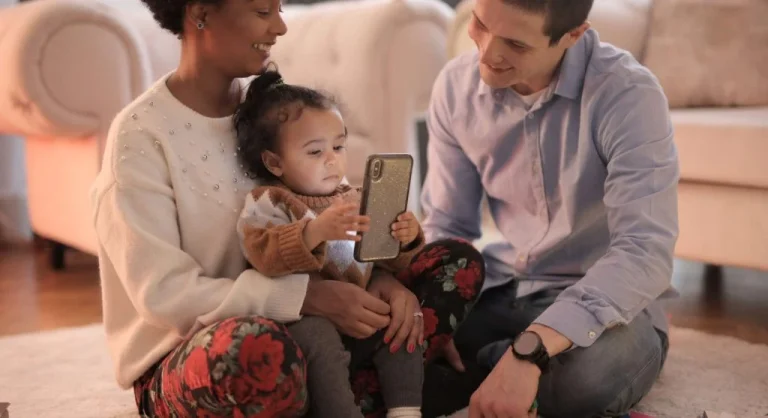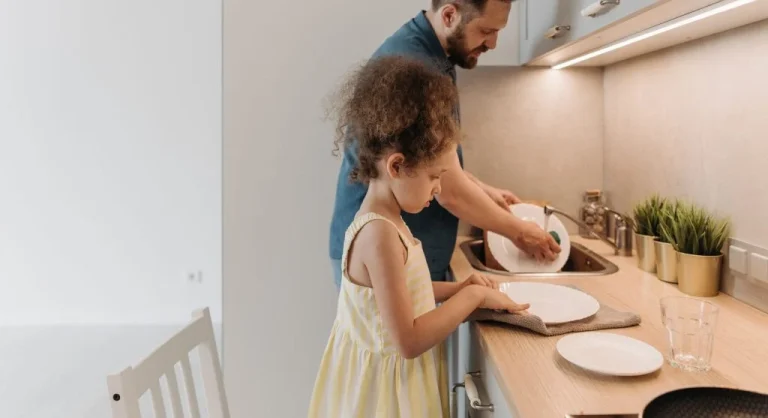

Why Children Often Stop Asking for a Device Back So Quickly When Parents Physically Close the Screen Together
One of the hardest parts of family screen routines is not always turning the device off. Often, it is the repeated asking that comes afterward. A child may hand over a tablet, phone, or laptop, then quickly begin asking for it back, insisting there was more to do, one last look, or one unfinished part still waiting on the screen. Family media specialists generally note that children often stop asking for a device back so quickly when parents physically close the screen together because the ending feels more complete and more real. In many homes, the screen-time struggle continues not because the rule was unclear, but because the ending did not feel fully finished in the child’s body and mind.
This matters because children often respond strongly to how an activity ends, not only to when it ends. Development guidance often suggests that a screen turned off by an adult alone can sometimes feel like something was taken away, while a screen physically closed together can feel more like a shared ending that actually happened. Over time, this small routine can reduce repeated requests, soften the emotional pull back toward the device, and help the transition into the next activity happen with less friction.
Many Screen-Time Endings Feel Mentally Open Even After the Device Is Gone
Adults often assume that once the device has been removed, the activity is over. Children do not always experience it that way. If the child still feels mentally connected to the video, drawing app, game, or message screen, the activity may remain open in the child’s mind even after the device leaves the hands. That mental openness can drive repeated asking because the child does not feel the experience has truly landed.
Child development specialists generally explain that children often need help closing an activity emotionally as well as physically. In many families, repeated requests for the device come from that unfinished feeling more than from simple defiance.
Physically Closing the Screen Makes the Ending More Concrete
When a parent and child close the device together, the ending becomes visible and physical. The child sees the screen disappear, feels the lid lower or the cover close, and experiences a clear final action rather than a vague loss. This often matters more than adults expect because the body now has a role in marking the end of the activity.
Family routine experts generally note that children handle transitions better when endings are concrete. In many homes, the device feels more fully “done” when the child participates in the closing action instead of only watching the device be taken away.

Children Often Ask Less When They Help Finish the Activity
There is an emotional difference between having something stopped and helping bring it to a close. When the child is involved in shutting the device, the ending can feel more owned and less imposed. The child still may not like that screen time is over, but the moment becomes something the child participated in rather than something that only happened to the child.
Development specialists generally explain that cooperation often improves when children are given a simple role in the transition. In many homes, physically closing the screen helps because it turns the child into part of the ending ritual instead of leaving the child only in the position of losing access.
A Shared Closing Motion Can Interrupt the Urge to Reopen the Device
Repeated asking often happens because the child still feels psychologically close to the device. If the last image remains visible in memory and the screen never felt fully closed, the child may continue trying to reopen the experience through words. A shared closing motion creates a stronger break. The final image is covered or folded away, and the body experiences a clear stop point.
Child behavior experts generally note that physical closure can help weaken repetitive return-seeking after preferred activities. In many families, children ask for the device back less because the last moment no longer feels half-open.
This Can Help Children Shift Attention Into the Next Activity Faster
Transition difficulty is often strongest in the first minutes after screen time ends. If the child is still mentally leaning back toward the device, the next task — snack, bath, homework, play, cleanup, or bedtime — may feel far away and uninteresting. A shared screen-closing routine can help redirect attention forward. The device has been put into its ending position, which makes the next part of the day easier to enter.
Family communication specialists generally note that children move more smoothly between activities when one experience feels truly finished before the next one begins. In many homes, this is why repeated device requests decrease after a stronger closing ritual is introduced.

Children Often Respond Better to Ritual Than to Repeated Warnings Alone
Many parents use countdowns and verbal warnings, and those can be helpful. Yet some children still struggle because warnings explain when screen time is ending without giving the body a clear way to feel that it has ended. Ritual often helps where warnings alone do not. A repeated closing motion creates a familiar finish that the child can learn to expect and recognize.
Parenting specialists generally note that children often cooperate more reliably with transitions that include the same repeatable pattern. In many families, the “close it together” step becomes one of those patterns and gradually carries more meaning than another spoken reminder would.
The End Feels Less Like a Snatch and More Like a Process
Children often protest when devices seem to vanish suddenly from their control. Even if the parent gave notice, the physical moment of removal can still feel abrupt. When the screen is closed together first, the child experiences a process rather than a snatch. That process usually sounds calmer, looks calmer, and feels more respectful to the child’s nervous system.
Development guidance often suggests that children regulate better when adults make endings feel shaped rather than abrupt. In many homes, this small difference changes the whole tone of the handoff.
This Routine Often Works Especially Well With Foldable or Coverable Devices
Tablets with covers, laptops with lids, and devices that return to a charging dock can all support this approach particularly well because the ending has a visible physical motion built into it. Even devices without lids can still be turned dark, placed face down, or covered in a repeated way. The deeper principle is not the exact object. It is the clear shared closing action.
Family media specialists generally note that children benefit most from device routines that have visible beginnings and visible endings. In many homes, devices with a natural closing motion make that easier to establish as a family habit.
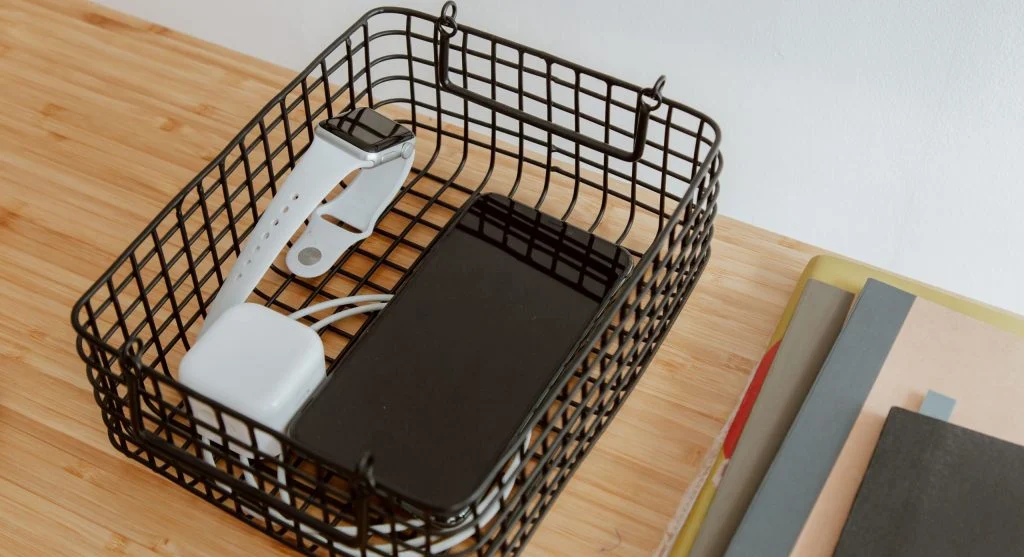
Parents Often Stay Calmer When the Ending Has a Physical Script
This routine can help adults too. Without a script, parents may end up repeating themselves, arguing, or reaching suddenly for the device out of frustration. A shared closing action creates a simpler sequence. The parent signals the end, closes the device together with the child, and moves to the next step. That can reduce improvisation and lower adult stress during a transition that often happens many times a week.
Parenting experts generally explain that children benefit when adult behavior around limits feels steady and predictable. In many families, the physical screen-closing step gives parents a calmer way to hold the same boundary.
This Does Not Remove Disappointment, but It Can Shorten the Return Pull
Children may still be disappointed when screen time ends. A shared closing ritual does not erase that feeling. What it often does is shorten the repeated pull back toward the device. The child may still sigh, protest briefly, or wish for more time, but the ending is more settled. That makes the disappointment easier to move through without turning into repeated asking and renegotiation.
Child development specialists generally note that strong routines do not need to erase every feeling to be effective. In many homes, the goal is not total happiness at the end of screen time. The goal is a calmer and more workable transition, and this method often supports that well.
Why Children Often Stop Asking for a Device Back
Children often stop asking for a device back so quickly when parents physically close the screen together because the ending becomes shared, visible, and complete. The child is not left with an activity that feels half-open in the mind. Instead, the screen has a clear final action, and the body participates in that closing moment. That often reduces the urge to reopen the experience through repeated asking.
In many families, smoother digital routines do not come only from stronger rules. They come from better endings. Over time, one small habit of closing the screen together can make device transitions calmer, shorter, and much easier to manage at home.
FAQ
Why would physically closing the screen matter so much?
Because children often respond strongly to visible and physical closure. It helps the activity feel truly finished rather than only taken away.
Does this work only for tablets and laptops?
No. It can also work with other devices if families create a clear repeated closing action, such as covering, docking, or placing the device face down in a set spot.
Will this stop all screen-time protests?
Not always. Some disappointment may still happen, but many children ask for the device back less when the ending feels more complete.
Should parents still give a verbal warning before screen time ends?
Yes. Many families find that warnings help most when they are paired with a clear physical closing routine at the end.
Internal Linking Suggestions
Link this article to posts about ending screen time calmly, device charging routines at home, helping children transition away from screens, healthy digital habits for families, and reducing repeated asking after preferred activities.
Key Takeaway
Children often stop asking for a device back when parents physically close the screen together because the ending feels more complete, more shared, and less abrupt. A visible closing action helps children feel that screen time truly ended instead of only being removed from them. Families often improve digital transitions by shaping endings more clearly, not only by repeating limits. Over time, this simple routine can reduce repeated asking and make screen-time handoffs calmer at home.