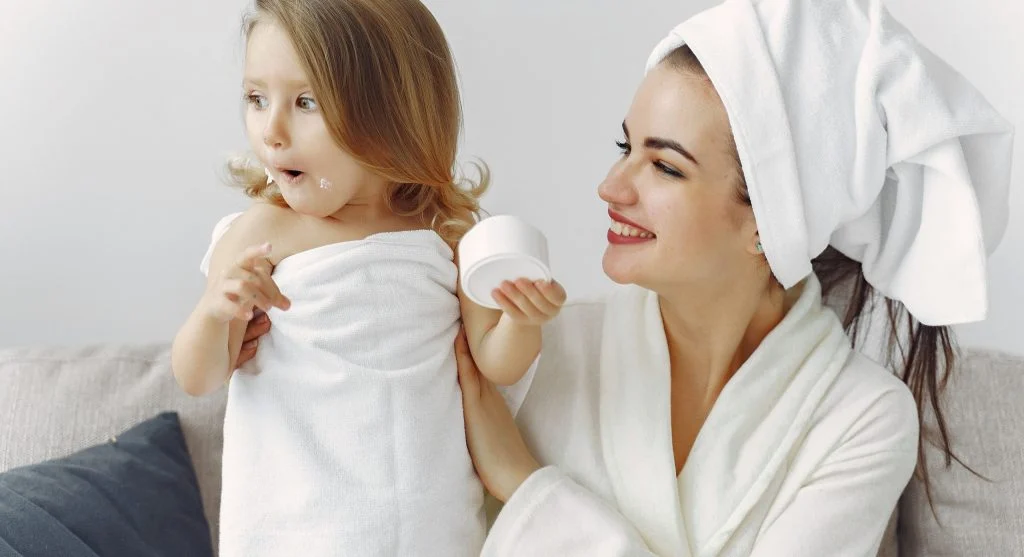
Why Children Often Finish Bath Time More Smoothly When the Towel Is Warm and Visible Before the Water Turns Off
Bath time resistance often appears right at the end. A child may seem content in the tub, then suddenly protest, splash more wildly, negotiate for extra minutes, or refuse to stand up when it is time to get out. Parenting specialists generally note that children often finish bath time more smoothly when the towel is warm and visible before the water turns off because the next step stops feeling abrupt and uncomfortable. In many homes, the problem is not only leaving the bath. The problem is leaving warm water for a cold, uncertain transition.
This matters because children often judge routines by how the next moment feels in the body. If getting out of the bath means chilly air, fast movement, bright lights, and a rushed handoff into pajamas, the ending may feel unpleasant long before the child has words for that discomfort. Development guidance often suggests that transitions go better when the body can sense something comforting waiting on the other side. A warm visible towel can do exactly that. Over time, this simple setup can soften bath-time resistance and help bedtime flow with less stress.
Bath Time Often Ends Harder Than It Begins
Many daily routines become hardest at the exit point. The child is already settled inside one state and does not want to cross into the next one. Bath time is a strong example because the sensory contrast is so obvious. Warm water, floating toys, and relaxed body movement must suddenly give way to standing up, dripping, drying, and moving into a cooler room.
Child development specialists generally explain that children often resist transitions most when the body experiences a strong change in comfort. In many families, the child is not refusing because bath time itself is a problem. The child is reacting to the sharpness of the ending.
A Warm Towel Gives the Child a More Comfortable Target
When the towel is already warm and easy to see, the next step feels kinder. The child is not being asked to leave one pleasant state and step into something blank. The child can see where the comfort is going next. The ending becomes more like moving from one warm place into another warm place.
Family routine experts generally note that children handle change better when the next stage contains a reassuring cue. In many homes, a warm towel becomes that cue. It tells the child that getting out does not mean losing comfort entirely. It means comfort is changing form.

Children Often Cooperate Better When the Next Step Is Visible
Adults sometimes give transition reminders using only words. “Time to get out” may be clear, but it still leaves the child to imagine what comes next. A visible towel gives the instruction a concrete destination. The child does not have to picture the next step abstractly. The next step is hanging right there in sight.
Development specialists generally explain that children often move more easily when routines are physically visible. In many families, the towel helps because it answers the question of what happens next before the child has to ask it or resist it.
Comfort on the Other Side Reduces the Sense of Loss
Bath-time struggles often intensify because the child feels the loss of one good thing more strongly than the arrival of the next good thing. A warm towel helps rebalance that feeling. Instead of only losing the tub, the child is gaining something immediately pleasant. That can change the emotional weight of the transition in a surprisingly strong way.
Child behavior experts generally note that children often accept limits and endings more easily when there is a clear positive bridge to the next stage. In many homes, the towel becomes part of that bridge and reduces how much the child focuses only on what is ending.
Bath Time Is a Body-Based Routine, So Body-Based Cues Matter More
Not all routines rely equally on sensory comfort. Bath time is intensely physical. Warmth, water pressure, bubbles, echoing sounds, slippery surfaces, and relaxed muscles all shape the experience. Because the routine is so body-based, the transition out of it is also best supported by body-based signals. A warm towel works well because it speaks directly to the child’s sensory experience rather than only to behavior expectations.
Family communication specialists generally note that children respond especially well when adults match the support to the type of challenge. In many families, bath time ends more smoothly because the help offered is sensory, not only verbal.
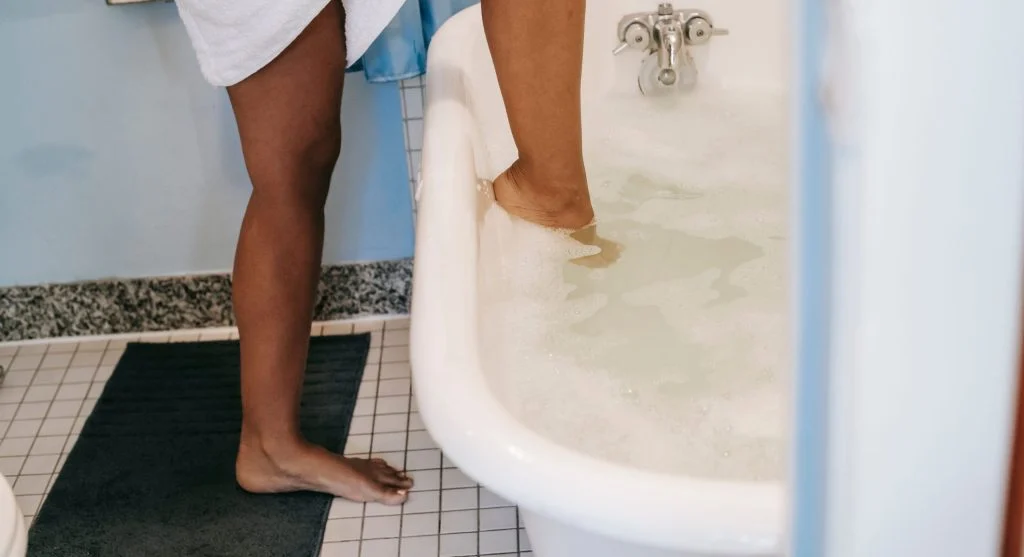
Children Often Stall Less When the Exit Feels Inviting Instead of Sudden
Some children delay getting out of the bath by splashing more, asking for one more toy turn, or ignoring repeated reminders. These behaviors often look like pure avoidance, but sometimes they reflect hesitation about what the exit will feel like. A visibly prepared warm towel makes the exit more inviting. It changes the energy from “leave now” to “come toward this next comfort.”
Parenting specialists generally note that children usually transition more willingly when the next step feels welcoming rather than abrupt. In many homes, bath-time stalling decreases once the child sees something pleasant waiting immediately outside the tub.
This Can Support Bedtime Mood as Well as Bath Cooperation
Bath time is often part of a larger evening routine. A stressful ending can spill directly into drying off, pajamas, brushing teeth, and bedtime. A smoother exit can help the rest of the routine stay steadier too. The warm towel is small, but it can protect the emotional tone of the next fifteen or twenty minutes more than adults might expect.
Development guidance often suggests that routine endings affect what follows. In many families, bedtime feels easier not only because the bath ended with less conflict, but because the child entered the next steps feeling more settled and less interrupted.
Parents Often Stay Calmer When the Exit Is Prepared in Advance
This habit can help adults too. Bath time becomes more stressful when parents are searching for a towel while also telling a child to stand up, stop splashing, and hurry along. Preparation lowers that strain. When the towel is already warm and visible, the adult can guide the transition with less scrambling and less irritated tone.
Family routine experts generally explain that calmer adult preparation often leads to calmer child response. In many homes, the bath ending improves partly because the parent is no longer trying to solve logistics and behavior at the same time.

The Towel Helps Because It Signals “What Next,” Not Just “Time’s Up”
One of the strongest benefits of this approach is that it moves the adult away from only announcing the ending and toward showing the next step. Children often respond better to routines that answer both questions at once: what is ending and what is beginning. A warm towel is not just a drying tool. It is a visible sign of where the routine is going next.
Child development specialists generally note that transitions improve when children can orient toward the future step instead of focusing only on the loss of the current one. In many homes, this is why the towel matters. It gives direction, not only a deadline.
This Does Not Solve Every Bath-Time Struggle, but It Removes One Common Friction Point
Some bath-time problems come from larger issues such as fatigue, sensory sensitivity, bedtime resistance, or not wanting the day to end. A warm visible towel will not remove every challenge. Yet many family routines improve through small changes that reduce one repeated friction point. The ending of the bath is one of those points, and a better sensory handoff can make a real difference.
Parenting specialists generally note that smoother routines are often built through practical supports rather than dramatic solutions. In many homes, the towel helps because it removes one avoidable discomfort from an already transition-heavy part of the day.
Why Children Often Finish Bath Time More Smoothly
Children often finish bath time more smoothly when the towel is warm and visible before the water turns off because the next step feels more comforting, more concrete, and less abrupt. The child can see where warmth is going next and move toward it with less resistance. That often makes leaving the bath feel less like a loss and more like a gentle shift into the next part of the routine.
In many families, calmer bath endings do not come from stronger reminders alone. They come from better preparation for the transition. Over time, one simple habit of warming and showing the towel before bath time ends can reduce conflict and make bedtime routines easier for everyone.
FAQ
Why does a warm towel help children get out of the bath more easily?
Because it reduces the uncomfortable contrast between warm water and cooler air, making the next step feel more inviting and less abrupt.
Does the towel need to be specially heated?
No. It simply needs to feel pleasantly warm and ready. The main benefit comes from comfort and visibility rather than from any special equipment.
Can this help with bedtime routines too?
Yes. A smoother bath ending often helps the rest of the bedtime routine stay calmer and more predictable.
Will this stop all bath-time resistance?
Not always, but it can reduce one common friction point and make the overall transition easier for many children.
Internal Linking Suggestions
Link this article to posts about bedtime routines, calmer bath time habits, smoother evening transitions, sensory comfort for children, and practical daily routine supports for families.
Key Takeaway
Children often finish bath time more smoothly when the towel is warm and visible before the water turns off because the transition into the next step feels comforting instead of abrupt. A prepared towel gives the child a sensory bridge from bath to bedtime and makes the routine easier to picture and accept. Families often improve difficult transitions through simple environment-based supports rather than more repeated reminders. Over time, this small habit can make bath time endings calmer and bedtime routines easier to manage.