
Why Children Often Ask for Screens First When They Do Not Know What to Do
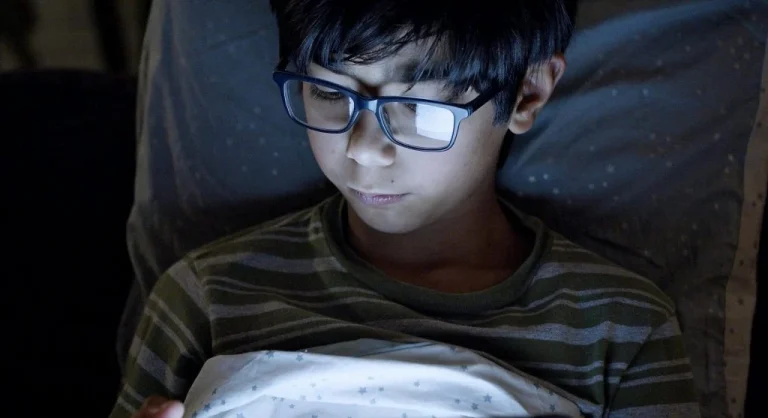
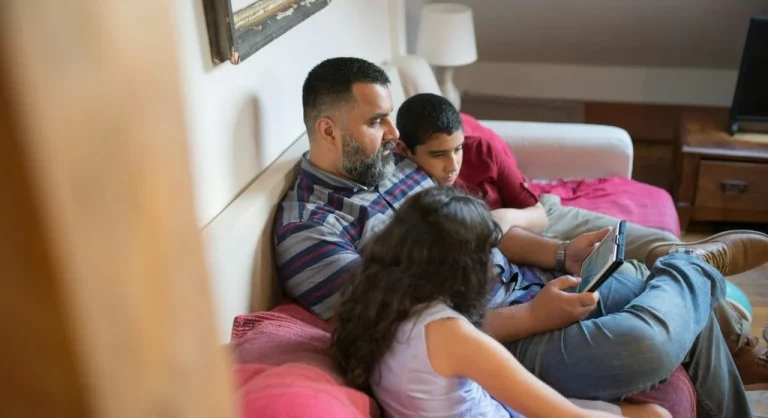
Many families notice a similar pattern during the more open parts of the day. A child finishes one activity, looks around for a moment, and then quickly asks for a tablet, television, phone, or game. Family media specialists often point out that children tend to ask for screens first when they are unsure what to do next, because screens provide instant structure, quick stimulation, and a clear way to fill empty time. In many situations, the request is not only about enjoying devices it is also about needing help in a moment that feels unclear or undefined.
This distinction matters because adults often view screen requests mainly as a media habit, while children may be using them as a response to uncertainty, boredom, fatigue, or low emotional energy. Child development experts frequently note that many children are still learning how to transition from one activity to another, come up with ideas on their own, and tolerate the mild discomfort of not knowing what comes next. When screens are familiar and easily available, they often become the quickest way to resolve that discomfort.
Open Time Can Feel Unclear to Children
Adults often assume that free time naturally feels enjoyable, but children do not always experience it that way. Some move easily into pretend play, drawing, reading, or outdoor activities, while others feel unsure about how to begin. When the next step is not obvious, a child may feel stuck between activities rather than truly free. In those moments, a screen can seem like the most straightforward option.
Child development specialists often explain that unstructured time requires skills that are still developing. A child needs to recognize options, choose one, get started, and stay engaged without much outside direction. When those abilities are not yet strong, asking for a screen can become the easiest solution.
Screens Offer Immediate Structure With Very Little Effort
One reason children turn to screens first is that devices remove the need to figure out what to do next. The child does not have to invent a game, gather materials, or decide how to begin. The screen already provides a ready-made structure with movement, sound, and clear feedback. This can feel especially appealing after a long day or during slower moments at home.
Family media experts often note that screens are so compelling in part because they are easy to access. A child who feels mentally tired or uncertain may naturally choose the option that requires the least effort. In many households, this helps explain why the request appears so quickly during transitions or unstructured time.

Children Usually Need Visible Alternatives Before Habits Change
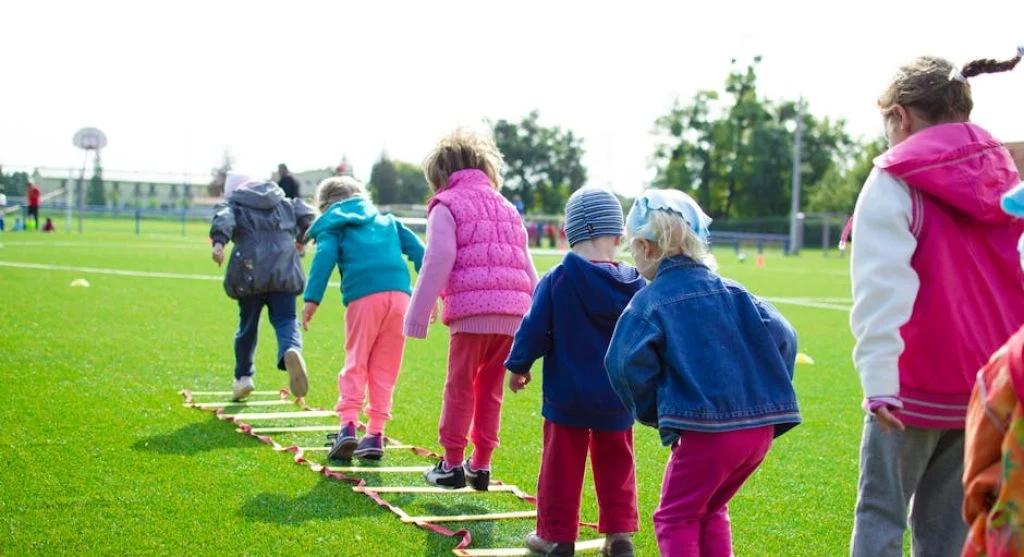
When screens are the most obvious option during open time, children usually need alternatives that are easy to notice and simple to start. If other choices take effort to find, set up, or figure out, the device will often win. Family media specialists often point out that alternatives work best when they are already within reach and easy for the child to begin without a long setup.
This does not mean every moment has to be planned. It simply means children tend to respond better when open time still includes a few clear, visible options. A book basket, building materials, art supplies, a quick outdoor activity, or a familiar family routine can help a child move into something else before a screen becomes the default choice.
Daily Rhythm Can Reduce First-Choice Screen Requests
Children often ask for screens first when the overall day feels too unstructured. A stronger daily rhythm can help by giving a predictable shape to what happens after school, before dinner, during quieter parts of the afternoon, and across weekends. Meals, rest, play, chores, outdoor time, and reading do not need to fill every minute, but they can reduce the feeling that the day is an empty space waiting to be filled by a device.
Family routine experts often note that screens become less dominant when they are not carrying the full responsibility of structuring time. In many homes, fewer screen requests come not from stricter rules or lectures, but from clearer routines and easier access to simple alternatives.
Screen Requests Often Reflect a Need for Structure
Children often turn to screens first when they are unsure what to do, because screens solve several problems at once. They remove uncertainty, quickly ease boredom, and provide ready-made stimulation. From this perspective, the request makes more sense. It is not always just about a preference for media it is often about reaching for structure in the fastest way available.
When families recognize this pattern, they are often better able to respond calmly and practically. Over time, stronger routines and more accessible alternatives can help children rely less on screens as the first answer to unstructured moments.