
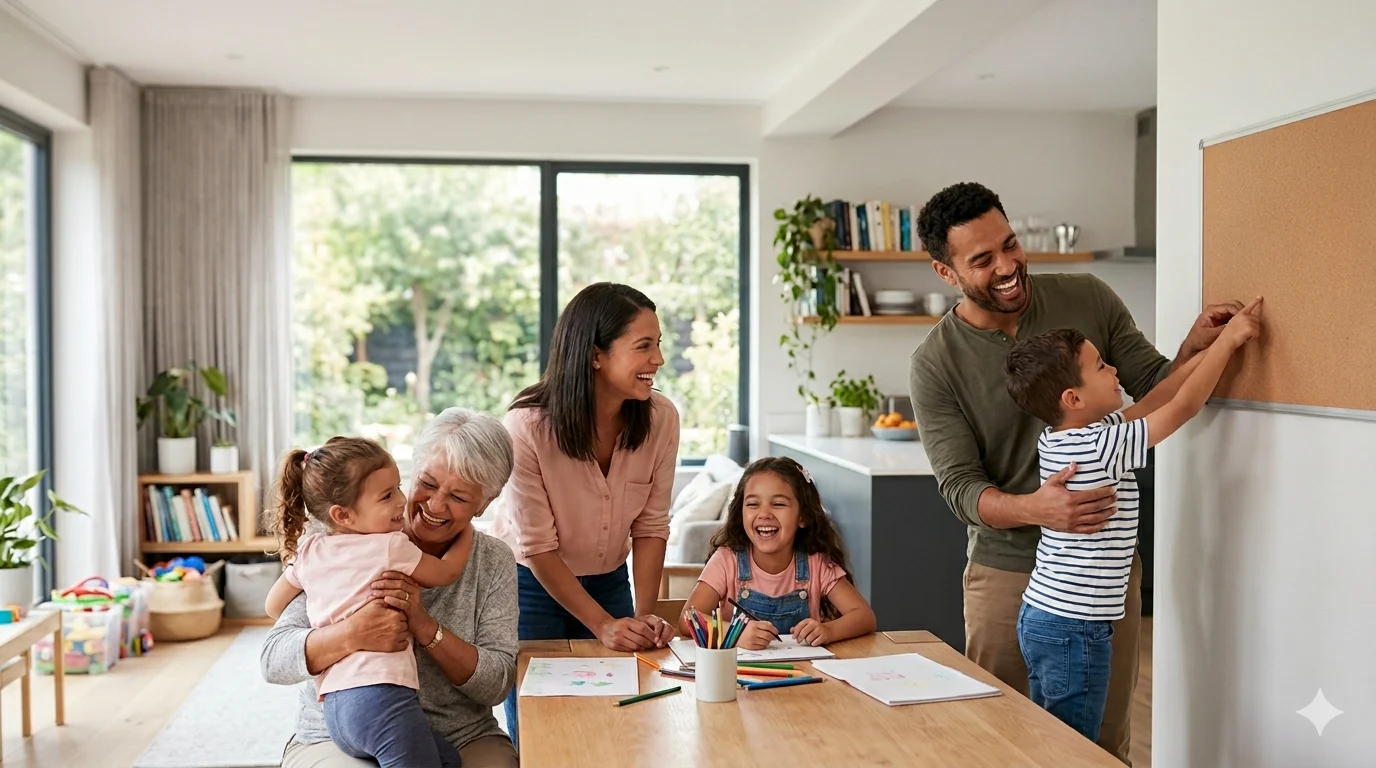

Why Children Often Start Noticing Social Embarrassment in Others Before They Can Manage Their Own Smoothly
Many parents first notice this developmental shift in an unexpected way. A child suddenly reacts when someone says the wrong thing, tells a story too
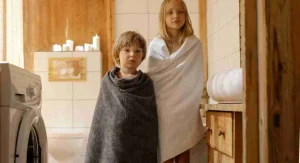
Why Children Often Wash Hands More Willingly When the Towel Is Ready Before the Water Starts
Hand washing seems like one of the simplest parts of family life, yet it can become unexpectedly difficult. A child may resist, stall, splash, wander
Why Children Often Become More Sensitive to Being Left Out Before They Can Clearly Ask to Join In
Many parents notice a difficult stage in social development when children suddenly seem much more affected by exclusion, even in small everyday ways. A child

Why Children Often Start Morning Routines More Smoothly When the First Small Step Is Already Finished Before They Wake Up
Mornings often go wrong before the day has even properly begun. A child wakes slowly, wanders, argues, forgets what comes first, or seems upset by

Why Children Often Start Caring More About Fairness Before They Can Explain What Felt Unfair Clearly
Many parents notice a stage when fairness suddenly becomes one of the biggest words in family life. A child protests about turns, portions, rules, waiting

Why Children Often Leave a Shared Screen More Calmly When the Next Real-World Item Is Placed in Their Hands Before the Device Leaves Them
Shared screen endings often become difficult in one exact moment: the second the device leaves the child’s hands and nothing has yet replaced the experience.
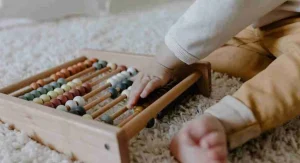
Why Children Often Count Objects More Accurately When They Slide Each One Into a New Space Instead of Pointing Twice
Early counting often looks easier than it really is. Adults see a few blocks, buttons, toy animals, or crackers on the table and assume the

Why Children Often Explain Themselves Better When Parents Ask for the Part They Were Trying to Do Right
Many difficult family conversations begin after something has already gone wrong. A child spoke sharply, rushed through a task, left a mess, upset a sibling,
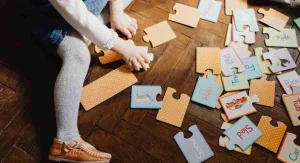
Why Children Often Match Uppercase and Lowercase Letters Better When the Pairing Starts With Just Three Familiar Letters
Matching uppercase and lowercase letters sounds straightforward to adults because both versions belong to the same alphabet. For young children, the task can feel much
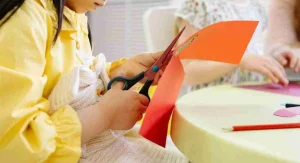
Why Children Often Follow Cutting Practice More Smoothly When the Paper Turns Instead of the Scissors Traveling Too Far
Cutting practice looks simple from an adult point of view, but it asks children to manage several difficult things at once. They have to open

Why Children Often End Video Watching More Calmly When the Volume Is Lowered Before the Screen Is Turned Off
Many screen-time struggles happen in the final seconds, when a child is still fully absorbed in a video and the adult suddenly turns the device
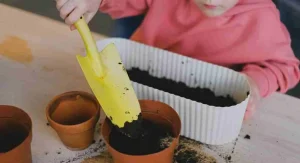
Why Children Often Stay More Engaged in Family Traditions When One Small Job Belongs to Them From the Very Beginning
Many family traditions are created with love, but adults are sometimes surprised when children drift in and out of them. A ritual that feels obviously
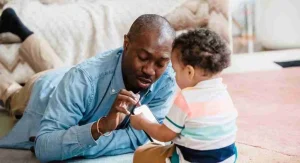
Why Children Often Listen More Carefully When Parents Lower the Number of Words but Keep the Same Meaning
Many parents feel they are saying the same thing over and over without it truly landing. They explain, remind, rephrase, warn, and repeat, yet the
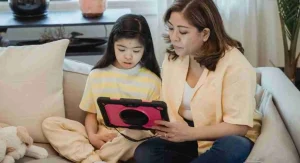
Why Children Often Accept the End of Tablet Time More Easily When the Home Screen Is Returned Before the Device Is Taken Away
For many families, the hardest part of tablet time is not the beginning and not even the time limit itself. The hardest part is the
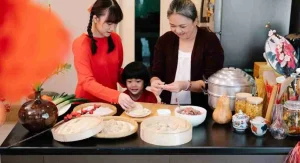
Why Children Often Feel a Family Tradition Is More Special When the Same Box or Basket Comes Out First Every Time
Family traditions often become memorable through repetition, but the detail children attach to most strongly is not always the main event. Adults may think the
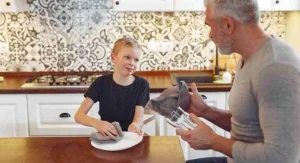
Why Children Often Answer “I Forgot” More Honestly When Parents Ask What Disappeared From Their Mind Instead of Why They Did Not Do It
Many family conflicts start with a task that did not happen. A child forgets a folder, misses a chore, leaves shoes in the wrong place,

Why Children Often Remember Family Traditions More Strongly When the Same Song Starts the Activity Every Time
Family traditions often become meaningful through repetition, but the details children remember most are not always the details adults expect. Parents may focus on the
Why Children Often Sort Beginning Sounds Better When Picture Cards Stay in One Row While the Sound Is Repeated First
Beginning sounds are a major part of early reading readiness, but they can be harder for children than adults expect. A parent may say a