
Why Children Often Understand Story Sequencing Better When They Retell It Using Three Fixed Spots First
Story sequencing may seem straightforward to adults, but many children find it more challenging than it appears. A child might easily remember the main characters, the funniest moment, or a favorite scene, yet still have difficulty explaining what happened first, what took place in the middle, and how the story ended. Education specialists generally note that children often grasp story sequencing more successfully when they retell a story using three fixed spots because the sequence becomes something they can see instead of something they have to hold entirely in memory. In many homes, the issue is not that the child failed to understand the story. Rather, they remember it as one meaningful experience instead of a series of connected events.
This matters because sequencing supports many early literacy and school-readiness skills. Children rely on it for reading comprehension, summarizing stories, understanding cause and effect, following directions, and clearly explaining experiences. Development experts often suggest that abstract ideas such as beginning, middle, and end become much easier to understand when they are connected to something physical. Over time, using three fixed locations can help children organize stories more confidently and make discussions about books much more successful.
Children Often Remember Stories by Emotion Before They Remember the Order
Adults usually organize stories into a clear sequence without thinking much about it. Young children often remember them differently. Instead of recalling events in order, they tend to remember the funniest moment, the most exciting scene, the scariest part, or the biggest surprise. Their memories are often built around emotions before they are built around structure. As a result, when asked to retell the story, they may immediately jump to the most memorable event and struggle to explain everything that came before or after it.
Child development specialists generally explain that this is a normal part of early literacy development. In many families, children clearly understand the story but still need support organizing those memorable moments into a complete timeline.
Three Fixed Spots Turn Story Order Into Something Visible
Using three physical locations helps children organize stories much more easily. For example, the left side of a table can represent the beginning, the middle can stay in the center, and the ending can always be placed on the right. Instead of trying to remember the entire sequence mentally, children can simply match each event to one visible location.
Family learning specialists generally note that children understand academic concepts more easily when they are connected to something concrete. In many homes, three fixed spots transform sequencing from an invisible thinking task into a simple sorting activity.
Keeping the Positions Consistent Builds Understanding
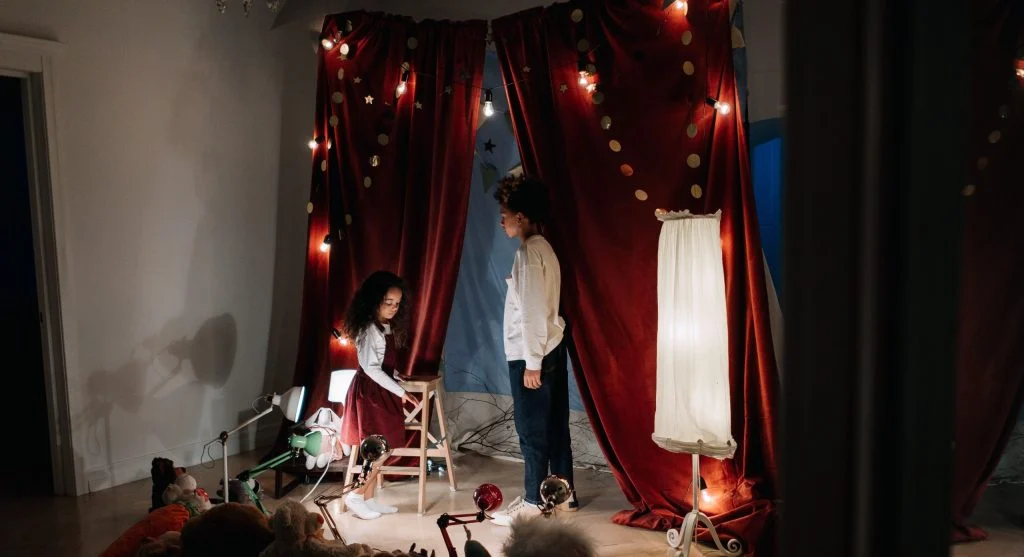
Consistency plays an important role in learning. When the beginning is always represented by the same place, the middle always stays in another, and the ending always appears in the same final location, children gradually develop a dependable mental map. As they repeat the activity, they naturally connect sequence words with physical positions.
Development specialists generally explain that repeated patterns make learning easier for young children. In many families, story sequencing improves because children stop guessing what beginning, middle, and end mean and begin recognizing those positions almost automatically.
Dividing the Story Into Three Parts Makes Retelling Less Overwhelming
Some children become unsure of themselves when they hear the instruction, “Tell me what happened in the story.” A book may contain many characters, events, and details, making the request feel overwhelming. Breaking the story into three simple sections makes the task much more manageable. Instead of remembering everything at once, children only need to think about what happened first, what happened next, and how everything finished.
Education specialists generally note that children stay engaged longer when learning tasks are broken into smaller, manageable parts. In many homes, the three-spot approach helps children speak more confidently because they have a clear structure to guide their thinking.
Sequencing Helps Children Understand Cause and Effect
Story sequencing is about more than simply putting events in order. It also helps children recognize how one event leads naturally to the next. Once the beginning, middle, and end are clearly organized, it becomes much easier to understand why characters made certain choices and how those actions influenced the ending.
Child development experts generally explain that sequencing and comprehension strengthen one another. In many families, children begin answering “Why did that happen?” questions more accurately after first organizing the story into a logical sequence.
Story Questions Become Easier After the Sequence Is Organized
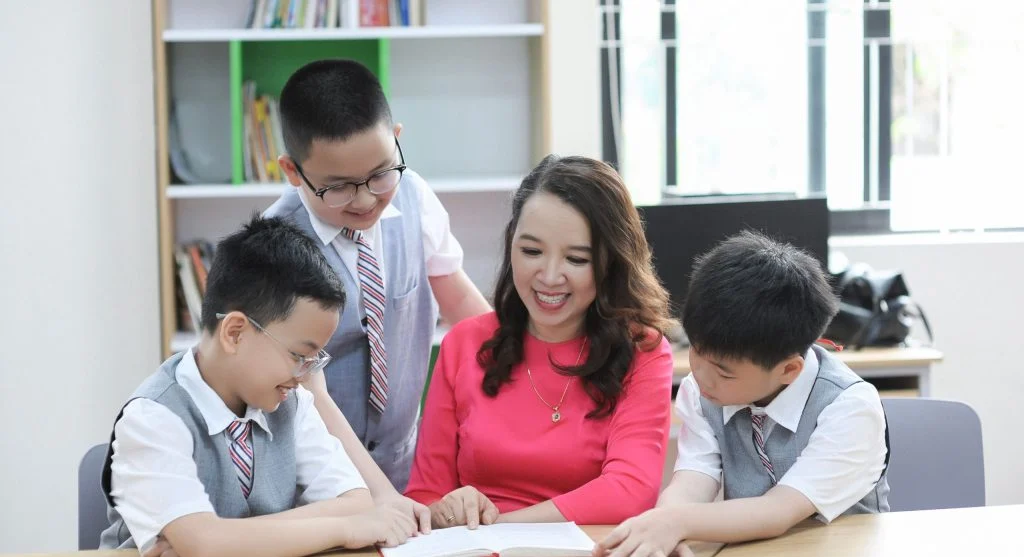
Many comprehension questions depend on understanding the order of events. Questions about what happened, why a character acted a certain way, or how a problem was solved often become confusing when children are unsure about the sequence. Once the story has been arranged into beginning, middle, and end, children usually have a much stronger foundation for answering those questions.
Family literacy specialists generally explain that comprehension improves when organization comes before explanation. In many homes, children talk about stories more successfully because they already have the sequence clearly organized.
The Strategy Works Across Different Reading Levels
The three-spot method is flexible enough to support children at many stages of learning. It works after listening to a story aloud, reading a picture book, or working through an early reader independently. Younger children may use short phrases, while older children can describe each section in more detail. Although the language grows, the basic structure remains the same.
Development experts generally note that children benefit most from learning strategies that continue working as their skills develop. In many families, this makes the three-spot method a practical tool that grows alongside the child’s reading ability.
Parents Can Ask Better Questions Once the Story Is Organized
This approach also makes conversations easier for adults. After children sort the story into beginning, middle, and end, parents can ask much more focused questions. Instead of asking broad questions such as, “What was the story about?” they can ask, “What started the problem?” “What happened in the middle?” or “How was everything solved at the end?”
Family learning specialists generally note that adults provide better support when children already have a visible structure to work from. In many homes, reading discussions become smoother because both parent and child are thinking about the story in the same organized way.

Physical Support Often Becomes Mental Organization
At first, many children benefit from using real spaces on a table, floor, or set of cards to organize stories. With repeated practice, they gradually begin creating the same structure mentally. Eventually, they can listen to a story and naturally sort the events into beginning, middle, and end without relying on physical reminders.
Child development specialists generally explain that many learning strategies begin with hands-on experiences before becoming internal thinking skills. In many homes, three fixed spots become an important bridge toward stronger independent reading comprehension and story organization.
Why Children Often Understand Story Sequencing Better
Children often understand story sequencing better when they retell stories using three fixed spots because visible structure helps organize events into a clear, logical order. Instead of remembering a story as one emotional experience, they learn to separate it into a beginning, middle, and end. That simple organization often improves story retelling, reading comprehension, and confidence during literacy activities.
In many families, stronger reading skills begin not with more difficult questions but with better organization. Over time, using three fixed spots can help children understand stories more clearly, answer comprehension questions with greater confidence, and develop stronger literacy skills that support future learning.
FAQ
What are three fixed spots in story sequencing?
They are three consistent places used to represent beginning, middle, and end while a child retells a story.
Why does this help children with sequencing?
Because it turns an abstract literacy skill into a visible sorting task, which makes order easier to understand and remember.
Can this help with reading comprehension too?
Yes. Many comprehension questions become easier once the child has already organized the story into a clear sequence.
Does this work only for young children?
It is especially helpful for younger children, but older early readers can also benefit when they struggle to retell stories in order.
Internal Linking Suggestions
Link this article to posts about reading comprehension at home, early literacy routines, helping children retell stories, school readiness reading skills, and simple home strategies for stronger book discussions.
Key Takeaway
Children often understand story sequencing more easily when they use three fixed spots because the method makes the beginning, middle, and end visible instead of leaving them as abstract ideas. This simple strategy reduces overwhelm, strengthens story retelling, and improves reading comprehension by helping children organize events more clearly. Over time, it builds stronger literacy skills, greater confidence, and more meaningful conversations about books at home.