Why Children Often Learn Better When Home Practice Ends With One Quick Success
Many families focus on how home learning begins, but the way practice ends can shape the next session just as much. A child may work through reading, writing, math, or review tasks and finish feeling tired, corrected, or mentally overloaded. Child development and education specialists generally note that children often learn better when home practice ends with one quick success because the final moments of a session often shape what the child remembers most clearly. In many homes, children are not resisting only the work itself the next day. They are also reacting to how the last practice session felt when it ended.
This matters because children often carry emotional memory from one learning experience into the next. If practice ends in frustration, confusion, or a sense of failure, the next session may feel heavier before it even begins. Education guidance often suggests that a short, successful closing task can help children leave the session feeling more capable and more willing to return. Over time, these small positive endings can support confidence, persistence, and calmer learning habits at home.
Children Often Remember Endings More Strongly Than Adults Expect
Adults may look at a full practice session and judge it by how much work was completed. Children often remember it more emotionally. If the session ended with a difficult correction, a final wrong answer, or visible frustration, that last feeling may become the main memory the child carries forward. Even when earlier parts of the session went fairly well, the ending can still shape how the child feels about the whole experience.
Education specialists generally note that emotional endings matter because they influence motivation. A child who leaves practice feeling discouraged may approach the next session with hesitation. In many homes, a quick successful ending helps because it changes the final emotional impression from “this was hard and I ended badly” to “I finished by doing something I could handle.”
A Quick Success Can Help Children Leave Learning Mode With Confidence
Home practice often asks children to stretch skills that are still developing. That challenge is important, but it can also feel tiring. A brief successful task at the end gives the child a chance to finish on steadier ground. The success does not need to be big. It may be a familiar word, one easy math fact, one sentence read smoothly, or one simple question answered correctly.
Child development specialists generally note that confidence often grows through repeated successful experiences, especially after effort. In many families, the child does not need an elaborate reward at the end of practice. The child often needs one clear moment that says, “I can do this,” before the session closes.
Children Often Return More Willingly to Practice That Feels Winnable
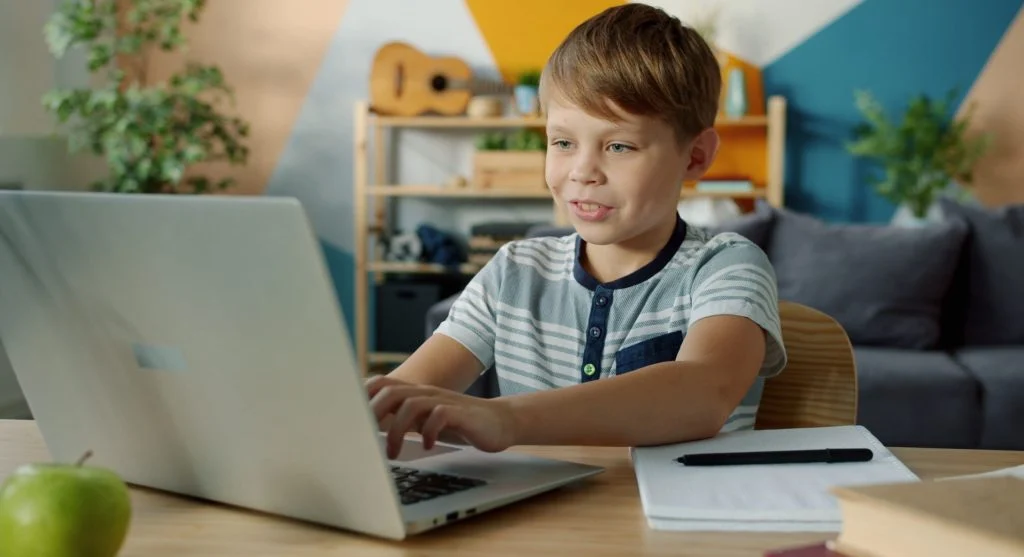
Home learning works best when it can happen again the next day without turning into a struggle. Children are usually more willing to return to practice when previous sessions felt challenging but still manageable. A short success at the end can help create that feeling. The child leaves with the sense that the work was not only correction and struggle. There was also a moment of success within it.
Family learning experts generally note that willingness often depends on emotional carryover. In many homes, a child who resists tomorrow’s reading or homework may be reacting partly to yesterday’s ending. A stronger closing moment can reduce that carryover and make the next session easier to begin.
One Final Success Can Protect Effort From Feeling Pointless
Children sometimes work hard during practice and still feel as if they did badly because the difficult parts were so visible. A quick success at the end can help frame the experience differently. It reminds the child that effort did not lead only to mistakes. It also led to something the child could complete well. This often matters most when the main practice task was demanding.
Development specialists generally explain that children need challenge, but they also need evidence that challenge does not erase competence. In many families, a brief successful finish protects the larger lesson that learning includes progress, not only correction. That balance can be important for keeping children engaged over time.
Ending With Success Often Lowers Resistance to Correction
Many children become defensive during home practice when they feel the session is mostly about what went wrong. If the closing moments include one manageable success, the child may leave the session feeling less judged and less overwhelmed. This can reduce the emotional heaviness that sometimes builds when adults focus only on errors until the very end.
Child behavior specialists generally note that children often handle correction better when it sits inside a wider experience of capability. In many homes, a quick success helps the child remember that mistakes are not the whole story. That often makes the next learning conversation feel less threatening.
Children Often Need the Last Step to Feel Clear and Achievable
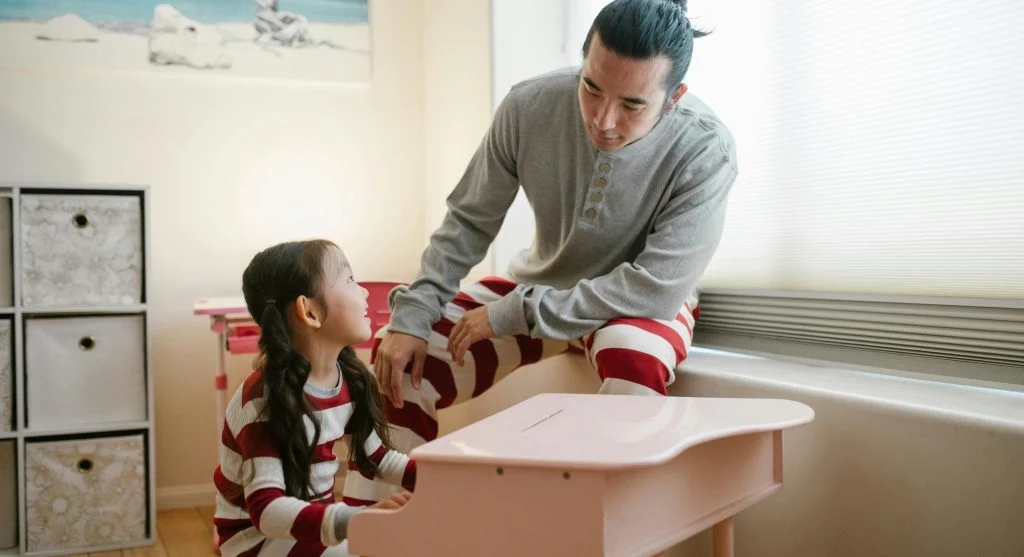
A strong ending usually works best when the final task is small, familiar, and easy to understand. If the closing task is still too hard or too long, the session may end with the same strain it was meant to ease. The purpose of the final success is not to add one more challenge. It is to close the session with something the child can complete steadily.
Education experts generally note that children respond best when routines include achievable endpoints. In many homes, the best closing success is simple enough for the child to feel it right away. That clarity often helps the ending do its job more effectively.
Quick Successes Can Support Stronger Learning Habits Over Time
Home learning is rarely about one isolated day. It usually depends on repetition across weeks and months. A child who repeatedly ends practice with one small success may begin to connect home learning with effort that has a manageable and satisfying close. That repeated emotional pattern can support stronger long-term habits because the child comes to trust the shape of the routine.
Development guidance often suggests that habit-building depends partly on how activities feel when children enter and leave them. In many families, positive endings make it easier to sustain home learning because they help children carry less dread into the next day’s work.
Adults Often Stay Calmer When the Session Has a Planned Positive Ending
Children are not the only ones helped by a better ending. Adults often guide practice more calmly when they know the session will close with one short success instead of stretching on until everyone is tired. This can reduce the urge to keep correcting until frustration takes over. A planned successful finish gives the session a more balanced shape for both adult and child.
Family routine experts generally note that calmer adults often create calmer learning environments. In many homes, one quick successful ending helps parents stop on time, speak more encouragingly, and protect the overall tone of home practice without lowering standards.
Children Often Learn Better When the Session Ends With Capability, Not Only Effort
Children often learn better when home practice ends with one quick success because that final moment helps shape how the child remembers the work. A short successful close can support confidence, protect motivation, and make the next session easier to approach. It gives the child a clearer emotional message: learning can be hard, but it can also end in something manageable and successful.
In many homes, stronger home learning does not always come from doing more at the end. Sometimes it comes from ending more wisely. Over time, one small success at the close of practice can help children feel more capable, more willing to return, and more secure inside the ongoing process of learning.