
Why Children Often Copy Letter Shapes More Accurately When the Example Stays Above the Line Instead of Beside the Page
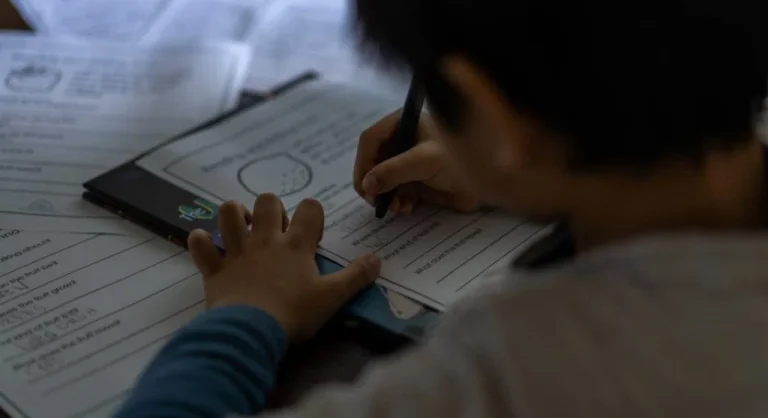
Early handwriting can be harder for children than it looks. Adults often see a simple task: look at the letter, copy the letter, and move on. For children, that process includes several hidden demands. They must look at the model, remember its shape, shift their eyes back to the writing area, place the pencil correctly, and reproduce the form with enough control to make it recognizable.
Education specialists generally note that children often copy letter shapes more accurately when the example stays above the line instead of beside the page because the visual relationship is easier to track. In many homes, the child does not struggle because the letter itself is too advanced. The child struggles because the model is in the wrong place for easy copying. This matters because letter copying is often one of the first bridges into independent writing.
If the visual setup adds extra difficulty, children may seem less skilled than they really are. Development guidance often suggests that the placement of the model letter can make a significant difference, especially for children still building visual tracking, fine motor control, and early writing confidence. Over time, a simple layout change can reduce frustration, improve accuracy, and make early handwriting practice feel much more manageable.
Copying a Letter Involves More Than Knowing the Alphabet
Parents sometimes assume that once a child can name a letter, copying it should be easy. In reality, these are different skills. Naming a letter depends mostly on recognition. Copying it requires remembering form, noticing direction, controlling pencil movement, and keeping track of where each part begins and ends. A child may know exactly what the letter is and still struggle to recreate it on paper.
Child development specialists generally explain that early writing asks children to coordinate visual memory and motor action at the same time. In many families, the gap between recognition and copying becomes clearer once parents see how much effort the child is using just to look back and forth between the model and the writing line.
A Letter Model Above the Line Is Easier for the Eyes to Recheck
When the model letter is directly above the place where the child is writing, the eyes usually travel a shorter and simpler path. The child can glance up, glance down, and return quickly to the same area. This helps preserve the letter shape in working memory long enough to draw it. When the model is off to the side, the visual movement becomes larger and more disruptive.
Family learning experts generally note that children often copy more accurately when visual reference points are close to the task itself. In many homes, the child seems immediately steadier once the example sits above the line rather than far to the left or right.
Side Placement Often Forces Children to Hold the Shape Too Long in Memory
When the example letter sits beside the writing area, the child often has to look away from the line for longer, then travel the eyes back, then remember the shape while trying to write it. That extra memory load can be difficult, especially for children who are still new to letter formation. By the time the pencil touches the page, part of the model may already feel fuzzy.
Development specialists generally explain that young children often benefit when visual memory demands are reduced in early learning tasks. In many families, the side-positioned model creates errors that are less about writing ability and more about the challenge of carrying the image across space.
Above-the-Line Placement Makes Direction Easier to Notice
Many letter mistakes involve direction. A child may reverse a curve, put a line on the wrong side, or start the shape in an unhelpful place. When the model is above the writing line, the child can compare direction more directly. The visual relationship feels clearer because the model and the new attempt are stacked in a simple top-and-bottom pattern.
Education specialists generally note that children often notice shape direction more effectively when the model is placed in a way that supports straightforward visual comparison. In many homes, this is one reason letters begin looking more accurate with a top model even before extra handwriting practice is added.
Children Often Stay More Calm When the Writing Setup Feels Simpler
Early writing frustration often builds quickly. If the child makes one or two inaccurate copies in a row, confidence may drop and resistance may rise. A clearer layout can reduce that stress by making the task feel easier from the start. When the child sees the model in a helpful place and experiences more success, the whole activity may feel less demanding.
Child behavior experts generally note that children cooperate more with learning tasks when the first few attempts go reasonably well. In many homes, the placement of the model letter changes the emotional tone of handwriting practice because success arrives sooner.
This Setup Can Help Children See That Letters Are Built From Parts
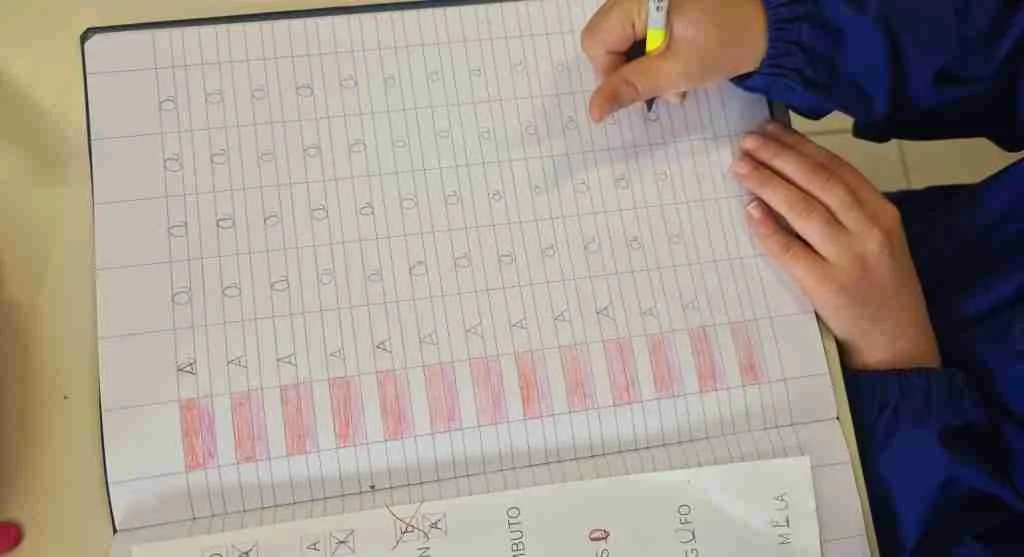
One hidden advantage of an above-the-line model is that it can help children notice that letters are not magic symbols. They are built from parts such as lines, curves, hooks, and crossings. A nearby top model makes it easier for the child to compare each part while writing below. That can strengthen not just one copied letter, but the child’s general understanding of how letters are formed.
Development guidance often suggests that early writing improves when children begin seeing patterns in letter construction. In many homes, above-the-line placement supports that understanding because the model stays visually close enough to study piece by piece.
Children Often Restart Less When the Model Is Easier to Follow
Some children erase frequently or restart a letter several times because they are uncertain whether what they are writing matches the model. When the example is easier to recheck, the child often feels less lost mid-letter. That can reduce frequent stopping, heavy erasing, and the discouragement that comes from feeling off track every few seconds.
Family routine specialists generally note that children persist better when the task gives them a clear way to monitor themselves. In many homes, fewer restarts happen once the child can compare the attempt to the model with a quick upward glance instead of a bigger sideward visual jump.
This Method Supports Early Independence
Parents often want children to write more independently, but independence grows best when the setup is truly usable. If the model letter is difficult to track visually, children may rely more on adult correction because self-checking feels too hard. A top-positioned example can support independence by making self-correction easier and more natural.
Child development specialists generally explain that independence often comes from better task design, not only from less help. In many families, a child begins needing fewer reminders about shape and direction once the page itself is arranged more helpfully.
It Can Help With Numbers and Shapes Too
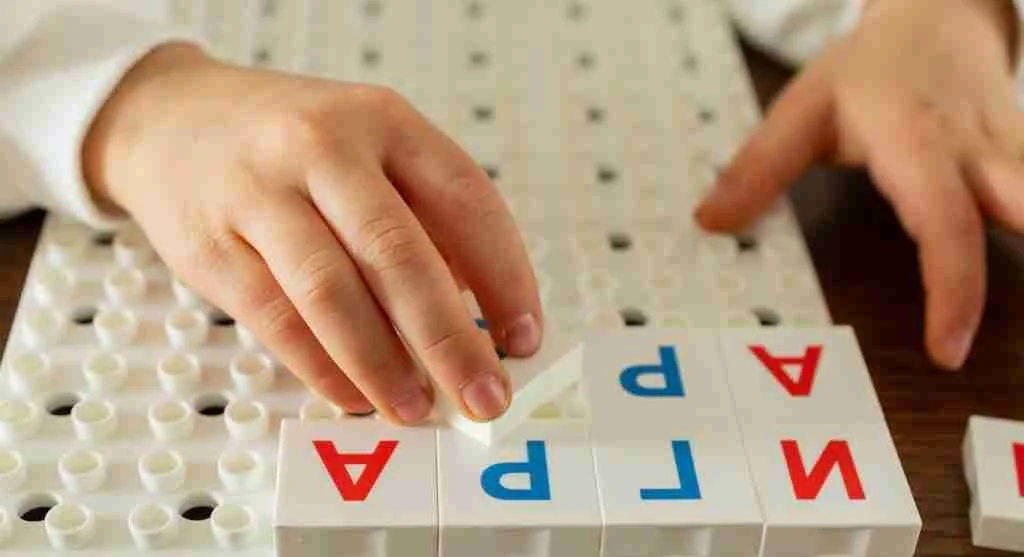
Although the effect is especially noticeable with letters, the same idea often helps with numbers and simple shapes as well. Any copying task that depends on visual reference can become easier when the example is directly above the work area. This creates a more consistent early-learning habit: look up, look down, write, and compare.
Education specialists generally note that children benefit from repeated visual routines across subjects. In many homes, parents find that once the layout works better for letters, it also improves tracing, number copying, and simple symbol practice.
Parents Often Teach More Effectively When the Page Layout Does Some of the Work
This approach can help adults too. When the model is awkwardly placed, parents often end up giving repeated verbal corrections: look again, check the curve, start here, not there. A more supportive layout can reduce the need for constant correction because the child can see the comparison more easily without so much adult narration.
Parenting specialists generally note that calmer teaching often comes from better setup rather than more instruction. In many homes, handwriting practice improves because the page now supports the child’s attention instead of competing with it.
Why Children Often Copy Letter Shapes More Accurately
Children often copy letter shapes more accurately when the example stays above the line instead of beside the page because the model remains easier to recheck, easier to compare, and easier to hold in mind while writing. The child does not need to carry the letter shape across a larger visual distance before using it. That often leads to better formation, fewer mistakes, and more confidence during early handwriting.
In many families, stronger writing practice does not begin with more correction. It begins with a better visual setup. Over time, placing the model letter above the writing line can make copying smoother, clearer, and far less frustrating for children still building early writing skills.
FAQ
Why does model placement affect handwriting so much?
Because children often rely on quick visual rechecking while copying, and a closer top model is easier for the eyes and memory to use.
Does this only help younger children?
It is especially helpful for younger children and beginners, but older children who struggle with copying accuracy may benefit too.
Can this method help with numbers as well as letters?
Yes. The same visual principle often helps with numbers, shapes, and other early copying tasks.
Should parents still correct letter formation directly?
Sometimes yes, but many children need less correction when the page layout already makes comparison easier and more immediate.
Internal Linking Suggestions
Link this article to posts about handwriting practice at home, fine motor development, school readiness writing skills, helping children copy numbers and shapes, and simple home-learning setup improvements.
Key Takeaway
Children often copy letter shapes more accurately when the example stays above the line because the model is easier to recheck, compare, and remember while writing. A small change in page layout can reduce visual strain, lower frustration, and help early handwriting feel more manageable. Families often improve writing practice not by adding more pressure, but by making the visual task easier to follow. Over time, this simple adjustment can support better accuracy, more confidence, and smoother learning at home.