Why Children Often Understand Math Faster When They Sort the Examples Before Solving Them
Many children struggle with math at home not because every problem is too difficult, but because the examples start blending together too quickly. A worksheet may include several problems that look similar to adults but feel confusingly mixed to a child who is still learning what kind of thinking each question needs. Education specialists generally note that children often understand math faster when they sort the examples before solving them because sorting helps them notice structure before they try to find the answer. In many homes, the real difficulty is not always calculation. It is recognizing what type of problem is in front of them.
This matters because math asks children to do more than get answers right. It asks them to identify patterns, notice differences, choose a method, and hold several ideas in mind at the same time. When adults move straight into solving, some children begin working before they truly understand what kind of work they are doing. Development guidance often suggests that a short sorting step can make the page feel more organized and easier to understand. Over time, this can improve both accuracy and confidence during home math practice.
Many Math Struggles Begin Before the Child Starts Calculating
Adults often assume a child is stuck because the answer is hard. In practice, many children get stuck before that point. They look at the page and are not fully sure whether the problem is asking them to add, compare, estimate, count by groups, or notice a pattern. That uncertainty can lead to guessing, freezing, or using the wrong strategy from the start.
Child development specialists generally explain that children often need help identifying the type of problem before they can solve it well. In many families, math gets easier once the child stops treating each question as a surprise and starts recognizing that some examples belong together.
Sorting Helps the Brain Notice Categories First
When children sort math examples, they are doing an important kind of thinking before calculation begins. They are learning to see that some problems are alike and others are different. This skill matters because math is full of categories, including number bonds, subtraction stories, shape groups, measurement questions, missing-number equations, and more.
Education experts generally note that children understand new material better when they can group it into meaningful categories. In many homes, a child becomes calmer during math once the page stops looking like one overwhelming block and starts looking like smaller groups of ideas that can be handled one at a time.
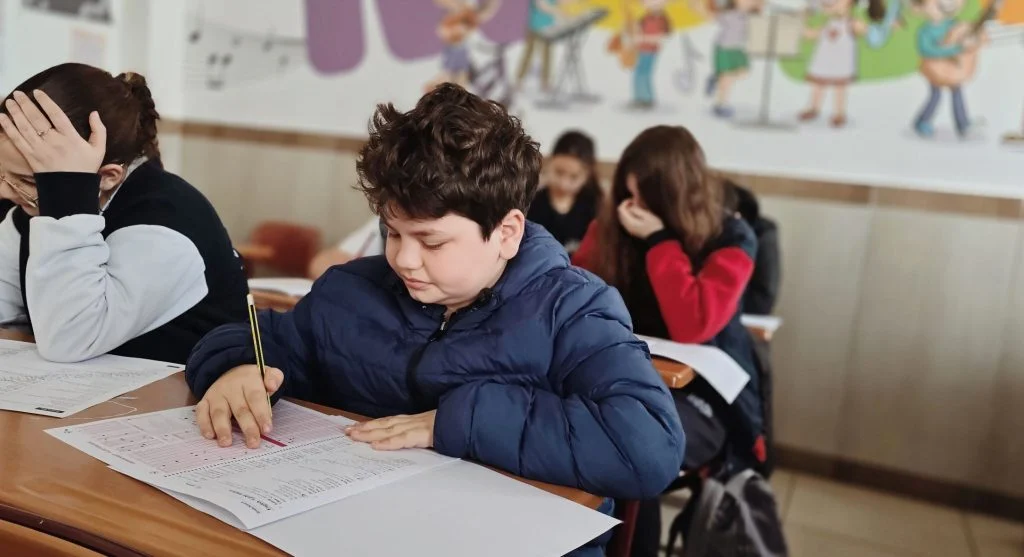
Children Often Work More Carefully When They Know What Kind of Problem They Are Looking At
Many math errors happen because children rush into the answer before identifying the problem type. A child may subtract when addition was needed, count single items when groups mattered, or focus on the wrong number in a word problem. Sorting slows that rush in a useful way. It gives the child a chance to ask, “What is this like?” before asking, “What is the answer?”
Family learning specialists generally note that this small pause supports stronger thinking. In many families, children begin making fewer careless mistakes once they learn to sort or compare examples first. The page becomes something to read mathematically, not just something to finish quickly.
Sorting Can Reduce Math Anxiety by Making the Page Feel Less Random
Some children feel nervous around math because they expect to be confused. A mixed page of examples can make that feeling worse. Sorting can reduce this pressure because it adds order before demand. The child starts seeing patterns instead of randomness. That emotional shift can matter just as much as the academic one.
Development specialists generally explain that children usually learn better when the task feels understandable before it feels demanding. In many homes, math becomes less stressful once the child realizes that the problems are not random traps. They belong to recognizable groups, and those groups can be handled step by step.
This Strategy Often Works Well With Word Problems Too
Word problems can be especially difficult because they ask children to read, interpret, and calculate at the same time. Sorting can help here as well. Children may benefit from grouping problems by type, such as “put together,” “take away,” “compare,” or “how many more.” Once the child sees what kind of situation the question describes, the correct calculation is often easier to choose.
Education guidance often suggests that children do better with word problems when they learn to identify the structure first. In many families, reading comprehension and math confidence improve together once the child starts noticing what kind of story the problem is telling before trying to solve it.

Children Often Gain Confidence When They Can Explain the Grouping
One strong sign that sorting is helping is when the child can explain why examples belong together. The child may say, “These all have something missing,” or “These all ask how many are left,” or “These all use the same shape idea.” That explanation shows the child is beginning to see structure, not only memorize procedures.
Child development specialists generally note that confidence often grows when children can describe what they notice. In many homes, this kind of explanation helps math feel less mysterious because the child begins to understand the logic behind the practice instead of only following steps.
Sorting Before Solving Often Makes Mixed Review Work Easier Later
Eventually, children need to handle mixed math review without sorting every page first. Still, sorting can be an important bridge toward that independence. It teaches the child how to scan problems, notice clues, and decide what kind of thinking belongs where. Over time, that skill can become more internal.
Family learning experts generally explain that children first do externally what they later learn to do mentally. In many families, sorting begins as a visible support and gradually turns into an internal habit of looking over the page before starting. That long-term habit can make later homework much smoother.
Parents Often Teach Math Better When They Focus on Recognition Before Answering
Adults helping at home often jump quickly into showing the method. That can be useful, but it sometimes skips the more basic question the child still has: what kind of problem is this? When parents help children sort examples first, they often teach the page more clearly because they are supporting recognition before procedure.
Development guidance often suggests that children need both pattern recognition and skill practice. In many homes, math support improves once adults stop treating every wrong answer as a calculation failure and start checking whether the child recognized the problem correctly in the first place.
The Best Sorting Step Is Usually Brief and Simple
Families do not need to turn every math page into a long lesson for this approach to help. The sorting step can be very short. A child might circle similar examples in the same color, place cards into two or three groups, or talk through which problems “go together” before writing answers. The goal is not to delay math. The goal is to make the math easier to interpret.
Education specialists generally note that children respond best when supports are clear and repeatable. In many homes, even a two-minute sorting step can change the whole mood of math practice because the child starts from understanding rather than confusion.
Why Children Often Understand Math Faster
Children often understand math faster when they sort the examples before solving them because sorting helps them recognize structure before being asked for answers. That recognition reduces confusion, supports better strategy choice, and makes the page feel more organized. Instead of moving straight into performance, the child first learns what kind of thinking the problem needs.
In many families, stronger math practice does not begin with more drilling. It begins with helping children see how examples relate to one another. Over time, this simple change can make home math feel clearer, calmer, and much more successful.
FAQ
What does sorting math examples mean?
It means grouping similar problems together before solving them so children can notice what type of thinking each example requires.
Can this help children who dislike math?
Yes. It often helps because sorting reduces confusion and makes the page feel less random and overwhelming.
Should children still solve mixed math pages later?
Yes. Sorting is often a helpful support first, and over time children can learn to do that recognition mentally during mixed review.
Does this work for younger children only?
No. It can help younger and older children whenever the difficulty comes from identifying the problem type, not only from calculation.
Internal Linking Suggestions
Link this article to posts about homework help at home, building math confidence, school readiness skills, helping children with word problems, and reducing academic frustration in daily routines.
Key Takeaway
Children often understand math faster when they sort the examples before solving them because sorting helps them recognize the pattern or problem type before trying to calculate. This small step can reduce confusion, improve strategy choice, and make home math practice feel less overwhelming. Families often see better accuracy and confidence when children first group similar problems instead of rushing straight into answers. Over time, this habit can strengthen both math understanding and independent homework skills.