8 Reasons Children Learn Better When Home Practice Feels Calm Instead of Corrective
This matters because home practice usually happens after children have already spent many hours following instructions, managing mistakes, and moving through academic demands. By the time they sit down at home, many children need not only practice, but also an environment that feels steady enough for learning to continue. Education guidance often suggests that children do best when adults create a setting where mistakes can be noticed without turning the whole session into a stream of correction. Over time, this often improves confidence, focus, and willingness to keep trying.
Children Often Learn Best When They Feel Safe Enough to Try
Learning is not only about getting the right answer quickly. For many children, real learning happens when they feel safe enough to attempt something, make a mistake, receive help, and try again without feeling embarrassed or discouraged. This is especially true during home practice, where a child may already feel more emotionally exposed because a parent or caregiver is sitting close by and watching their effort. If every mistake feels like a serious problem, the child may begin to protect themselves by avoiding the task, guessing quickly, or saying they do not know before they have really tried.
When home practice feels calm, children are usually more willing to take learning risks. They may try to sound out a difficult word, write an unfamiliar spelling, attempt a harder math step, or explain an answer even when they are unsure. These small risks are important because children cannot build stronger skills if they only attempt what already feels easy. A steady and supportive atmosphere helps them understand that mistakes are not the end of the session. Mistakes are simply part of the process of learning something new.
A child who feels watched mainly for errors may become cautious or defensive. Instead of focusing on the reading passage, worksheet, or writing task, they may focus on avoiding the next correction. This can make them hesitate, rush, argue, or shut down. In that state, the child may not be refusing to learn on purpose. They may be trying to avoid the uncomfortable feeling of being corrected again and again. When practice feels emotionally risky, even simple tasks can begin to feel harder than they really are.
Child development specialists often note that emotional safety supports persistence. Children are more likely to stay with a difficult task when they feel that the adult beside them is there to guide, not judge. A calm tone, patient pauses, and selective feedback can help the child keep going even after mistakes happen. Instead of feeling that one wrong answer has ruined the moment, the child learns that they can pause, adjust, and try again.
Too Much Correction Can Blur the Main Learning Goal
Home practice can quickly become overwhelming when adults correct too many things at once. A child reading aloud may be corrected for every missed word, the speed of reading, how clearly the voice sounds, posture at the table, and whether the child began quickly enough. Even when each comment is understandable, the total message can become too heavy to organize. Education specialists generally note that children learn better when feedback stays connected to a clearer main goal. If the session is mainly for reading fluency, then reading fluency should remain the focus. When correction spreads across too many areas at once, children may lose track of what they are actually trying to improve.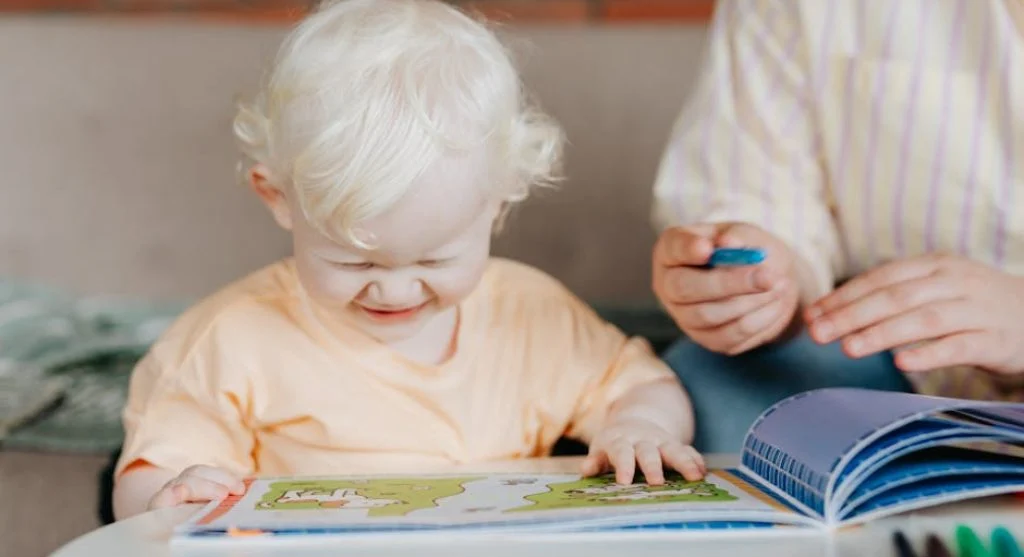
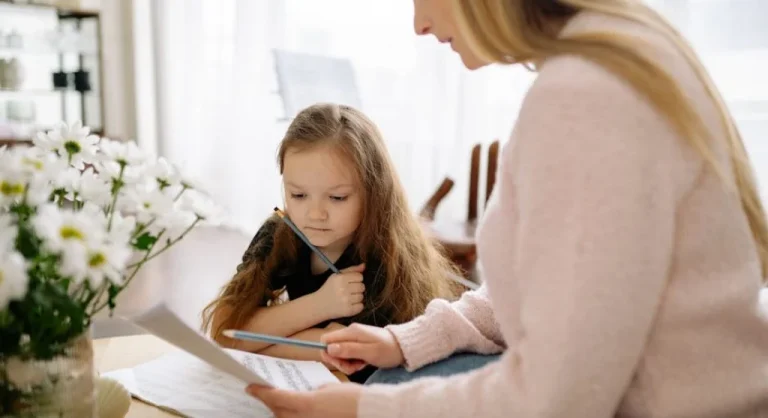
Credit: Yan Krukau / Pexels
Calm Practice Usually Supports Better Attention
Children often pay attention more effectively when the emotional tone stays steady. If home practice begins to feel tense, children may use more energy monitoring the adult’s reactions than focusing on the task. They may rush, freeze, argue, or try to finish quickly just to escape the feeling of being corrected. In that state, less of the learning actually settles in. Family learning experts often note that calm practice lowers this extra mental load. The child can focus more fully on the skill itself because the atmosphere is not competing for attention. In many homes, the difference between a productive session and an exhausting one is not the worksheet or book. It is the emotional tone surrounding it.Children Often Use Feedback Better When It Is Not Constant
Feedback is necessary for learning, but children usually use it better when it comes in a more measured way. If every small error is corrected immediately, the child may begin expecting interruption more than progress. This can make the activity feel fragmented. A calmer session often leaves room for the child to complete a thought, finish a line, or attempt a full answer before feedback arrives. Education specialists generally explain that children benefit when feedback is selective and timed with care. The goal is not to ignore mistakes. The goal is to make sure feedback remains useful instead of becoming so frequent that the child can no longer hold the task together. In many cases, fewer corrections can lead to better learning because the child can actually absorb them.Corrective Tone Often Affects Confidence More Than Adults Intend
Adults may think they are only focusing on accuracy, but children often experience repeated correction as a message about how they are doing overall. A child who hears mainly what is wrong may begin to feel that home practice is a place where ability is constantly being tested and found lacking. Even if the adult’s goal is improvement, the child may begin expecting failure before the session starts.Child development specialists often note that confidence grows through repeated experiences of manageable effort, not only through perfect results. A calmer tone helps protect that confidence because it allows children to notice what they are learning instead of hearing only what still needs fixing. Over time, this often makes them more willing to return to practice.

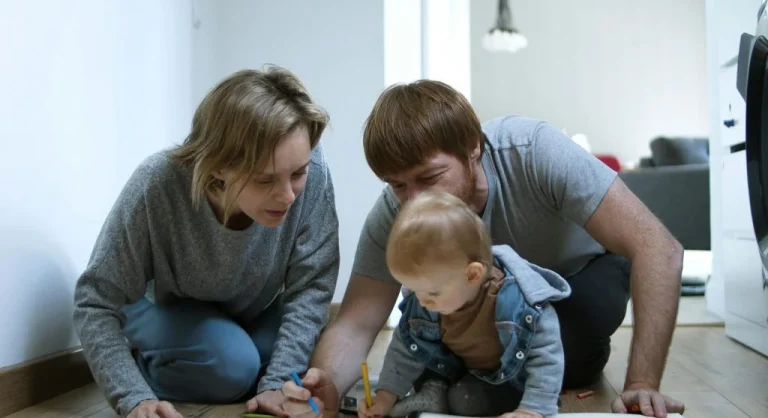
Credit: Yan Krukau / Pexels