
Why Children Often Learn Better When Adults Read the Instructions Out Loud First
Home learning often becomes frustrating before the real academic task has even started. A child may stare at a page, guess too quickly, skip steps, or say the work is too hard, even when the skill itself may be within reach. Child development and education specialists generally note that children often learn better when adults read the instructions out loud first because spoken directions can reduce confusion and help the child focus on the actual task instead of struggling to decode what the task is asking. In many homes, the problem is not only the schoolwork. The problem is the extra mental load created by unclear or unprocessed instructions.
This matters because home practice often asks children to do several things at once. They may need to read directions, hold the directions in mind, organize materials, and complete the academic work while already tired from the day. Education guidance often suggests that children usually do better when adults remove unnecessary barriers at the beginning of the session. Reading the instructions out loud can be one simple way to do that. Over time, this often leads to calmer starts, fewer avoidable mistakes, and more confidence during learning at home.
Children Often Use More Energy on the Directions Than Adults Realize
Adults may look at a worksheet or reading page and assume the instructions are simple. Children often experience them differently. The child may need to recognize unfamiliar words, understand what action the page expects, remember more than one step, and connect those steps to the examples below. By the time all of that work is done, less energy may remain for the actual learning target.
Education specialists generally note that this extra effort can make children seem less focused or less willing than they really are. In many homes, children are not resisting the skill itself as much as they are getting stuck at the doorway into the task. Hearing the directions aloud often makes that doorway easier to cross.
Spoken Instructions Often Lower Reading Load at the Start
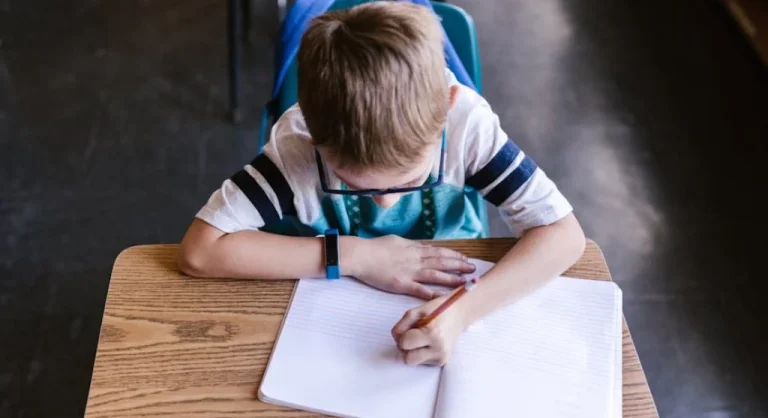
Many home learning tasks require children to read before they can begin. That is not always a problem, but it can become one when the goal of the task is something other than reading directions. A child may need to practice math, handwriting, sequencing, or comprehension, yet still lose energy simply trying to decode the instructions. Reading the directions aloud can lower that initial reading load so the child can move more directly into the intended skill.
Child development specialists generally note that children often learn better when adults reduce demands that are not central to the target task. In many homes, this helps children feel that the assignment is more manageable because they are no longer using so much attention on the wording before the work has really begun.

Children Often Start More Calmly When the Task Is Clear
Uncertainty at the beginning of learning can quickly create resistance. A child who is not sure what to do may delay, ask repeated questions, or say the work is too hard before even trying. This often reflects emotional uncertainty as much as academic difficulty. When adults read the instructions out loud first, the child may feel more settled because the task now has clearer shape.
Family learning experts generally note that children are more willing to begin when they understand what the page, activity, or problem is asking from them. In many homes, hearing the directions spoken aloud reduces the anxious feeling of facing something undefined. That calmer start often improves the rest of the learning session too.
Out-Loud Instructions Help Children Hold the Steps More Clearly
Some learning tasks involve more than one step. A child may need to circle one thing, write another, and then explain a third. When those steps stay only on the page, children may lose part of the sequence quickly, especially if the day has already been mentally tiring. Spoken instructions can help because they make the order of the task easier to hear and remember.
Development specialists generally explain that children are still building working memory skills. They may understand the instruction for a moment and then lose it while gathering a pencil, looking at the first question, or thinking about the answer. In many families, reading the instructions aloud helps because the directions land in a more organized way before the child starts working.
Children Often Make Fewer Avoidable Mistakes When the Directions Are Heard First
Many homework mistakes are not really about academic misunderstanding. They happen because the child answered the wrong part, skipped a step, matched incorrectly, or misread what was being asked. These errors can be frustrating because they make the child look less capable than the child actually is. Reading the instructions aloud first can reduce this kind of mismatch.
Education experts generally note that children do better when the adult helps make sure the task itself is understood before performance is judged. In many homes, this leads to fewer avoidable mistakes and less discouragement because the child is working on the correct task from the start rather than needing to redo it later.

Reading Instructions Out Loud Can Support Confidence
Children often approach home learning with the memory of earlier struggles already in mind. If the child has often misunderstood directions, the start of a new task may carry tension before any real work begins. A calm out-loud reading of the instructions can help the child feel supported rather than tested immediately. That emotional difference often shapes how willing the child is to keep trying.
Child development specialists generally note that confidence during learning is affected by how manageable the first moments feel. In many homes, a child becomes more open to practice when the adult helps make the task understandable before expecting independent performance. This does not remove challenge. It simply keeps unnecessary confusion from becoming the first obstacle.
Adults Often Teach More Clearly When the Starting Point Is Shared
Reading directions aloud does not only help children. It often helps adults see more clearly what the task is actually asking. Sometimes written instructions are longer, more layered, or less clear than they first appear. When adults and children hear the directions together, the learning session begins from a shared understanding rather than from different guesses about what the assignment means.
Family learning specialists generally note that children usually respond better when adults sound confident and organized at the start of a task. In many homes, reading the instructions aloud first helps create that shared clarity. The adult can then guide the session with less frustration and less mid-task correction.
Reading Out Loud Does Not Mean Doing the Work for the Child
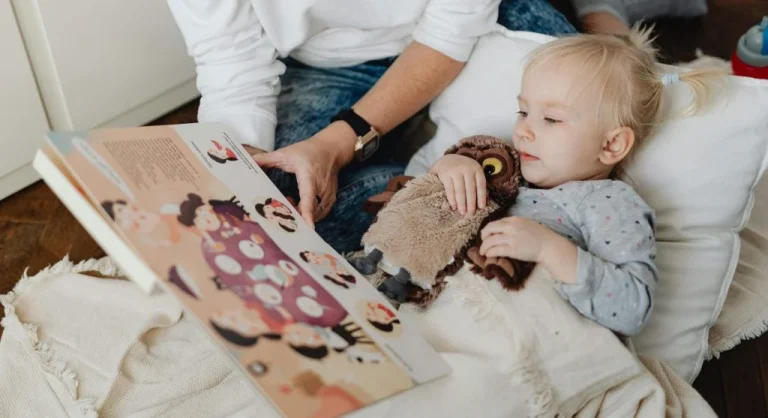
Some adults worry that reading instructions aloud may create dependence or make the task too easy. In practice, development specialists generally note that support at the beginning often helps children reach the real learning more effectively. The adult is not solving the page or giving away the answers. The adult is helping make the doorway into the task clearer so the child can use energy where it matters most.
In many homes, this kind of support helps children become more independent over time because they experience the task correctly and repeatedly instead of beginning with confusion again and again. As children grow, they may need less help with directions, but early support can still be an important bridge.
Children Often Learn More When the Task Begins With Shared Clarity
Children often learn better when adults read the instructions out loud first because spoken directions reduce extra mental load and make the work easier to understand from the beginning. The child can enter the real task with more confidence, fewer avoidable errors, and less emotional strain. This often changes the whole tone of home practice from uncertainty to clearer engagement.
In many families, stronger home learning does not always begin with harder effort or longer sessions. It often begins with a simpler and clearer start. Over time, hearing instructions aloud first can make learning at home feel more accessible, more accurate, and much less frustrating for both children and adults.
Key Takeaway
Children often learn better when adults read the instructions out loud first because spoken directions reduce confusion and make the task easier to enter. Many avoidable struggles happen before the academic work even starts, especially when children are tired or unsure what the page is asking. Families often see calmer learning, fewer mistakes, and stronger confidence when the beginning of the task is made clear through shared reading. Over time, this simple support can make home practice more effective and less stressful.