Why Children Often Sort Beginning Sounds Better When Picture Cards Stay in One Row While the Sound Is Repeated First
Beginning sounds are a major part of early reading readiness, but they can be harder for children than adults expect. A parent may say a sound, show a few simple pictures, and assume the child will quickly hear which words begin the same way. Yet many children guess, switch cards impulsively, or seem to understand one moment and get lost the next. Education specialists generally note that children often sort beginning sounds better when picture cards stay in one row while the sound is repeated first because the task becomes more stable for the eyes and clearer for the ears. In many homes, the problem is not that the child cannot hear sounds at all. The problem is that too much visual movement and too little sound focus make the activity harder than it needs to be.
This matters because beginning sound work is one of the early bridges into phonics and reading. Children need to notice that words are not only meaningful. They are also made of smaller sound parts that can be heard, compared, and grouped. Development guidance often suggests that children do better when adults reduce extra task demands and make the sound itself the clearest part of the activity. Over time, one simple change — keeping the cards lined up while repeating the target sound first — can make early literacy practice easier, calmer, and more successful at home.
Beginning Sound Activities Ask Children to Listen in a New Way
Most young children are used to listening for meaning. They hear “ball” and think of the toy, not the sound at the start of the word. Beginning sound work asks them to do something different. They must pull attention away from the whole object and focus on one tiny sound at the front. That is a sophisticated skill, even when the pictures look playful and simple.
Child development specialists generally explain that phonemic awareness often feels unnatural at first because children are being asked to notice parts of spoken words they normally glide past. In many families, the child’s confusion is not a sign of low ability. It is a sign that the task is asking for a new kind of listening.
Picture Movement Can Make the Sound Harder to Hold
Adults sometimes slide cards around, stack them, spread them out, or move them quickly to keep the activity lively. For some children, this actually makes beginning sound sorting harder. The eyes begin chasing location changes while the ears are still trying to hold the target sound in mind. Instead of concentrating on what the words sound like, the child starts reacting to where the cards are going.
Family learning experts generally note that early literacy tasks often work better when the layout stays calm and predictable. In many homes, keeping the cards in one row helps because the visual field stops competing with the listening task.
A Single Row Makes Visual Scanning Simpler
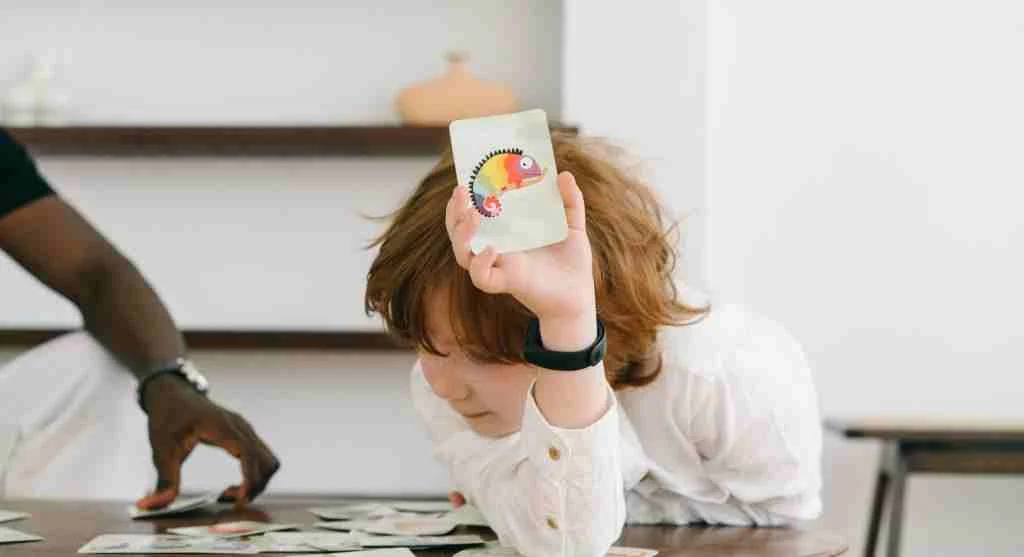
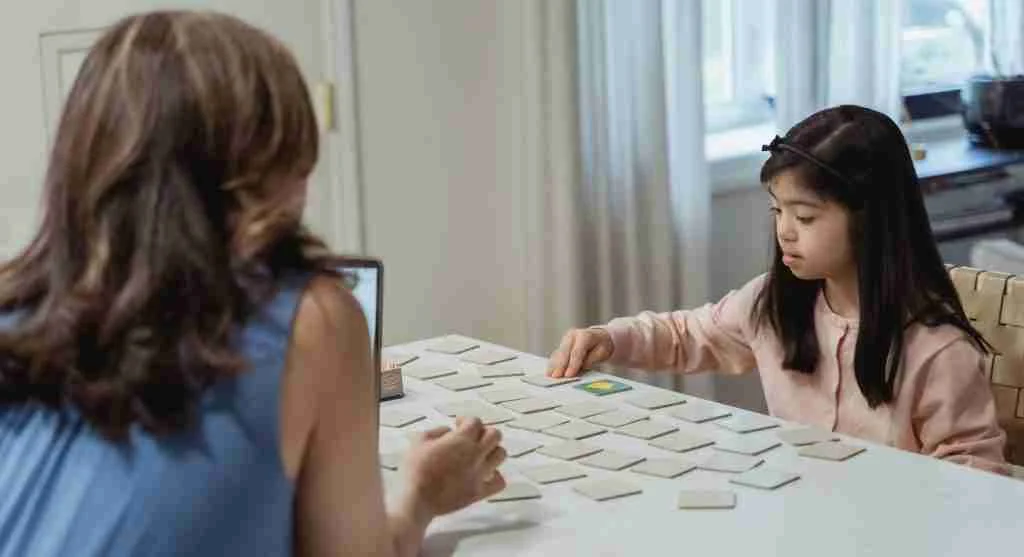
When cards stay in one row, children usually have an easier time scanning from one picture to the next. They can look left to right or right to left without also working out which card moved, which one got stacked, or which one is now partly hidden. This matters because beginning sound sorting already demands mental effort. A simple row reduces the number of extra problems the child must solve at the same time.
Development specialists generally explain that children often perform better when adults make the physical layout of a task as easy as possible. In many homes, a one-row setup improves results not because the child suddenly learned more sounds, but because the task became less visually messy.
Repeating the Sound First Helps the Child Tune the Ear Before Choosing
Many adults name a picture and immediately expect a response. Yet beginning sound work often goes better when the child hears the target sound first and hears it more than once. A repeated sound such as “/m/, /m/, /m/” gives the child a stronger listening anchor before any card is touched. The task becomes: hold this sound, then find it, instead of hear one full word and guess quickly.
Education specialists generally note that early sound sorting improves when the sound is highlighted before the choice moment begins. In many homes, repeating the sound first helps because the child’s attention is aimed at the correct part of the word from the start.
Children Often Guess Less When the Sound Is Stronger Than the Picture
Picture-based learning can accidentally create a guessing habit. A child may choose the familiar object, the favorite object, or the brightest card rather than the card that actually matches the sound. Repeating the target sound first helps shift the task away from visual preference and back toward listening. The sound takes the lead instead of the picture taking the lead.
Child behavior experts generally note that children usually guess more when the instruction is not strong enough to guide attention. In many families, repeating the sound first reduces random choices because the child is listening with a clearer purpose.
Stable Card Placement Helps Working Memory
Beginning sound activities place a surprising load on working memory. A child must hear the sound, hold it briefly, look across several pictures, and compare the first sound in each word. If the cards are also moving around, the working memory load rises further. A fixed row lowers that burden. The child can keep more mental energy on the sound itself rather than on tracking changing positions.
Development guidance often suggests that children succeed more when adults remove unnecessary memory demands from learning tasks. In many homes, the row format helps because the child no longer has to remember both the sound and the shifting layout.
This Setup Makes Adult Language Clearer Too
When the cards stay in one row and the sound is repeated first, adults often teach more clearly without even realizing it. The pacing slows down. The adult says the target sound, pauses, names the pictures, and lets the child compare. That is often much more effective than moving cards around while talking quickly. The structure helps the adult communicate in a way the child can use.
Family communication specialists generally note that children learn better when the adult’s words and materials work together calmly. In many homes, this is why the activity suddenly feels smoother. The parent is not only changing the cards. The parent is changing the teaching rhythm too.
Children Often Hear the First Sound More Easily When They Are Not Also Managing Sorting Chaos
Some children get excited by matching and sorting and want to grab cards immediately. That excitement can be useful, but it can also lead to rushing. When the activity begins with a fixed row and repeated sound, the child is less likely to fling into action before listening. The routine itself creates a pause: hear the sound, look across the row, then choose.
Parenting specialists generally note that many early learning struggles improve when adults build in a tiny pause before action. In many homes, beginning sounds become easier because the child finally gets a moment to hear before having to do.
A One-Row Format Helps Children Compare Across Cards More Fairly
When cards are spread in random positions or handled one at a time, children may compare poorly. A row helps them visually revisit each option in a simple order. This strengthens the comparison process. The child can move through the choices methodically instead of reacting to whichever card is closest, loudest, or newly moved.
Education specialists generally explain that structured comparison supports more accurate early literacy decisions. In many families, a child begins looking more thoughtful and less impulsive when the visual field is organized into one calm line.
This Method Supports Home Learning Without Making It Feel Formal
One helpful feature of this approach is that it does not require expensive materials or a classroom setup. A few handmade picture cards or simple household-image cards can work well. The key is not complexity. The key is keeping the cards visible in one stable row and repeating the sound clearly before asking for a choice. That makes the activity easy to repeat in short playful sessions at home.
Family learning experts generally note that the best home literacy habits are often simple enough to use often. In many homes, this method works well because it feels manageable for parents and familiar enough for children to build confidence over time.
Over Time, Children May Need Less Visual Support
At first, many children benefit strongly from the fixed row and repeated sound. With practice, some begin needing less support. They become better able to hold the sound briefly, compare more quickly, and notice the first sound with less prompting. The row is not meant to be a permanent crutch. It is often a bridge toward stronger independent phonemic awareness.
Child development specialists generally explain that many reading-related skills begin with concrete supports and gradually become more internal. In many families, stable visual layout and sound repetition help children get started until the listening skill itself becomes stronger.
Why Children Often Sort Beginning Sounds Better
Children often sort beginning sounds better when picture cards stay in one row while the sound is repeated first because the learning task becomes more stable for the eyes and more focused for the ears. The child can keep attention on the target sound instead of losing it inside card movement, guessing, or visual clutter. That often leads to stronger listening, more accurate choices, and less frustration during early reading practice.
In many families, better phonics support does not come from making the activity louder or busier. It comes from making the sound easier to hear and the cards easier to scan. Over time, this simple adjustment can strengthen phonemic awareness and support the early literacy foundation children need for later reading success.
FAQ
Why does keeping cards in one row help beginning sound sorting?
Because it simplifies visual scanning and reduces distraction, allowing children to focus more on listening for the sound instead of tracking moving cards.
Why should parents repeat the sound before the child chooses?
Repeating the target sound helps children hold it in mind more clearly before comparing it to the beginning of each picture word.
Does this help children who keep guessing during phonics practice?
Yes. Many children guess less when the listening cue is stronger and the visual layout is calmer and more organized.
Can this be done at home without special materials?
Yes. Simple picture cards or homemade images can work well as long as the setup stays stable and the target sound is repeated clearly first.
Internal Linking Suggestions
Link this article to posts about phonics practice at home, school readiness reading skills, simple literacy games for young children, helping children hear sounds in words, and early learning routines that build reading confidence.
Key Takeaway
Children often sort beginning sounds better when picture cards stay in one row while the sound is repeated first because the task becomes easier to see, easier to hear, and easier to hold in mind. A stable card layout and a stronger sound cue can reduce guessing and make early phonics practice feel less confusing. Families often improve early reading support by simplifying the learning setup instead of adding more excitement. Over time, this small change can help children build stronger phonemic awareness and more confidence with beginning sounds.