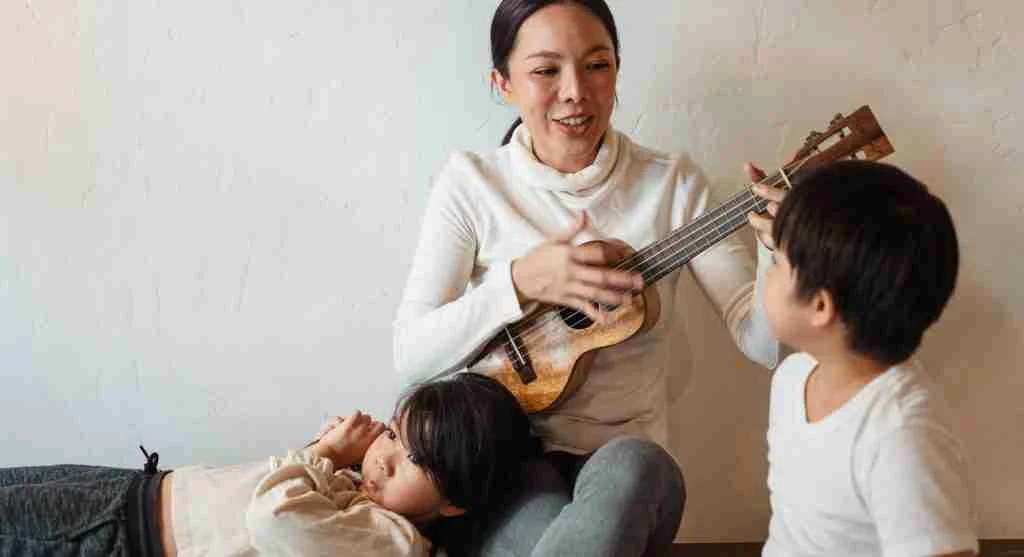
Why Children Often Remember Family Traditions More Strongly When the Same Song Starts the Activity Every Time
Family traditions often become meaningful through repetition, but the details children remember most are not always the details adults expect. Parents may focus on the meal, the holiday, the craft, the outing, or the larger event. Children often attach most strongly to the cue that tells them the special moment has officially begun. Family relationship specialists generally note that children often remember family traditions more strongly when the same song starts the activity every time because music can mark the moment in a vivid, repeatable, emotional way. In many homes, one short familiar song becomes part of the identity of the ritual itself.
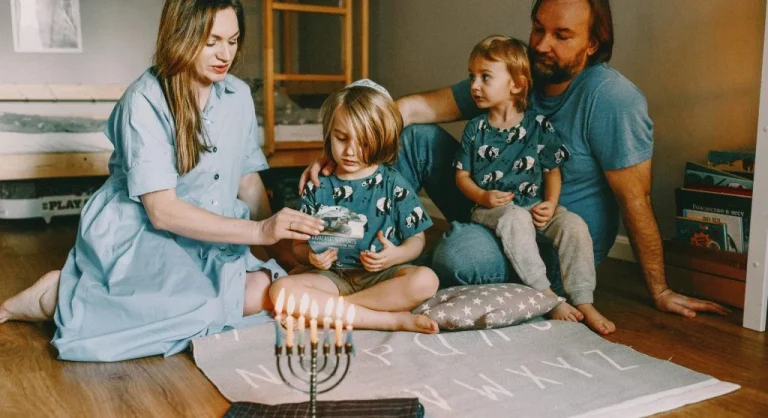
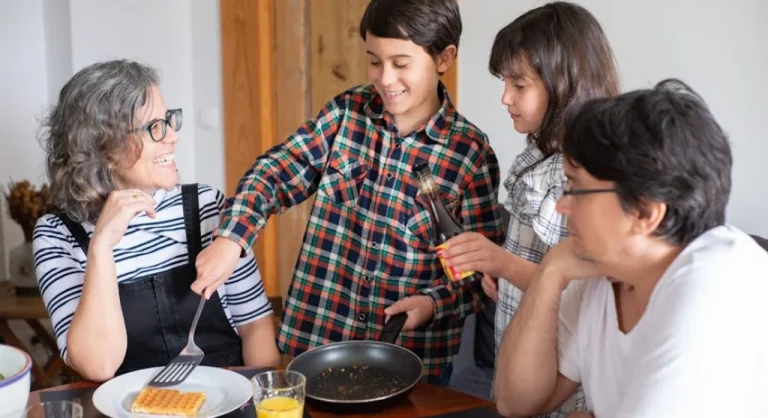
This matters because children often understand family life through patterns they can hear, feel, and anticipate. A repeated song at the beginning of pancake morning, Friday cleanup dance time, birthday breakfast, decorating day, evening walk, or seasonal baking ritual can make the activity feel more distinct from ordinary time. Development guidance often suggests that repeated sensory cues strengthen memory because they give children a clear signal that something meaningful is happening again. Over time, the song may become one of the strongest memory anchors attached to the whole family tradition.
A Starting Song Can Tell Children the Tradition Has Officially Begun
Many traditions begin gradually. Adults start gathering supplies, setting the table, packing the car, or moving people into place. Children may not always know exactly when the activity changes from ordinary family movement into the tradition itself. A familiar opening song can make that shift much clearer. The child hears it and immediately knows that this is not just another part of the day.
Child development specialists generally explain that children often respond strongly to opening cues because they make the meaning of an experience easier to recognize. In many families, the song works like a gentle announcement that says, without a long explanation, that this special family moment is now underway.
Music Often Reaches Children Faster Than Explanation
Adults may describe a tradition in words, but children often absorb repeated experiences more quickly through sensory patterns than through verbal summaries. A song is easy to recognize, easy to anticipate, and easy to connect with emotion. That makes it a powerful family cue. Even very young children may respond to the opening song before they can fully explain what the tradition means.
Family bonding experts generally note that music can create fast emotional recognition because it is processed as both sound and feeling. In many homes, children begin smiling, moving closer, or becoming more attentive the moment the familiar song begins, even before the main activity has started.
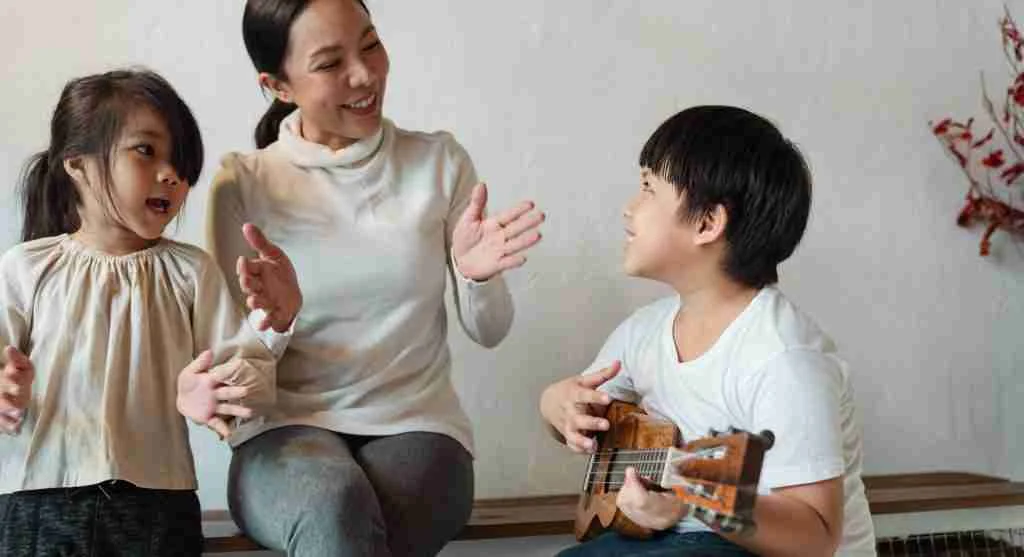
Children Often Build Strong Memory Around Repeated Sound Cues
Memory in childhood is often tied to repeated sensory details. Smells, phrases, objects, and sounds can all become powerful markers of a family experience. Music is especially strong because it unfolds over time and repeats in the same recognizable form each time it returns. That consistency can help children connect many separate events into one larger tradition in memory.
Development specialists generally note that children often store repeated family experiences through the cues that stay most stable across time. In many homes, the activity may shift a little from one week or season to the next, but the opening song stays the same, which helps the child connect all those moments together.
A Song Makes the Tradition Easier to Anticipate
Part of what makes family traditions meaningful is not only the event itself, but the joyful anticipation surrounding it. A repeated opening song can strengthen that anticipation because children begin associating the sound with what they already know is coming next. They do not have to wait until the whole event is in motion to feel excited. The song starts building the feeling immediately.
Parenting specialists generally note that anticipation deepens attachment to routines and rituals. In many families, children become more eager for the tradition not only because they enjoy the activity, but because the opening music has become part of the pleasure of looking forward to it.
The Song Often Becomes Part of “How Our Family Does It”
Children build family identity through repeated patterns. They notice not only what families do, but how they do it. A familiar song can become part of that family style. The child begins to feel that this particular activity belongs to this particular family because it always starts in this recognizable way. That can create a strong sense of belonging and continuity.
Family relationship specialists generally explain that children often feel most connected to traditions that have a distinct family signature. In many homes, the repeated opening song becomes one of those signatures. It quietly tells the child that this ritual belongs here, with these people.
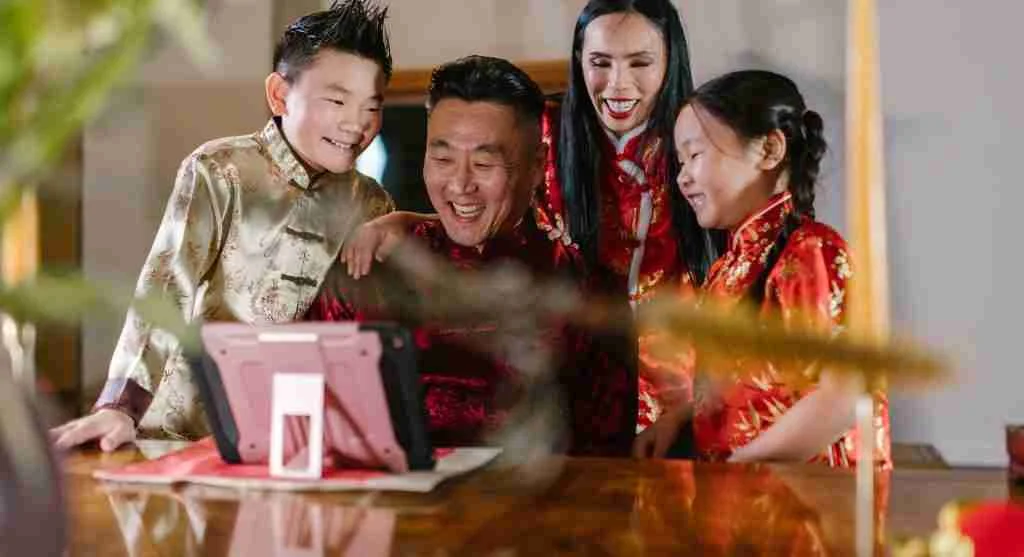
Children Often Remember the Feeling of the Song Along With the Event
Music does more than signal timing. It often carries emotional tone. A gentle song may make a cozy ritual feel calmer. A lively song may make a cleanup tradition feel playful. A seasonal song may make a recurring yearly event feel rich with familiarity. Children may not describe this directly, but the song often shapes how the tradition feels in the body and mind.
Development guidance often suggests that repeated emotional tone is one reason rituals become powerful. In many families, the opening song becomes emotionally woven into the event, so that hearing the music later can bring back not only the memory of the tradition, but also the feeling attached to it.
A Starting Song Can Help Siblings Enter the Tradition Together
In families with more than one child, traditions sometimes feel uneven at first. One child may already be interested while another is distracted or slow to join. A familiar opening song can help gather everyone into the same moment more smoothly. Because the cue is shared and predictable, it gives each child the same signal at the same time. That can strengthen the sense that the tradition belongs to the whole group.
Family routine experts generally note that group participation becomes easier when families use cues that are simple, repeated, and recognizable. In many homes, a song helps because it creates a shared beginning instead of requiring multiple repeated instructions to get everyone aligned.
The Best Song Is Usually the One Families Can Repeat Easily
Families do not need a perfect or highly meaningful song from the beginning. The most effective song is usually one that is easy to use, easy to remember, and emotionally suitable for the ritual. It may be playful, gentle, short, familiar, or seasonal. What gives it power is not musical complexity. What gives it power is repetition in the same context across time.
Parenting specialists generally note that strong rituals are usually built from practical repeated details, not from elaborate planning. In many families, the song becomes meaningful because it keeps returning, not because it started as deeply symbolic.
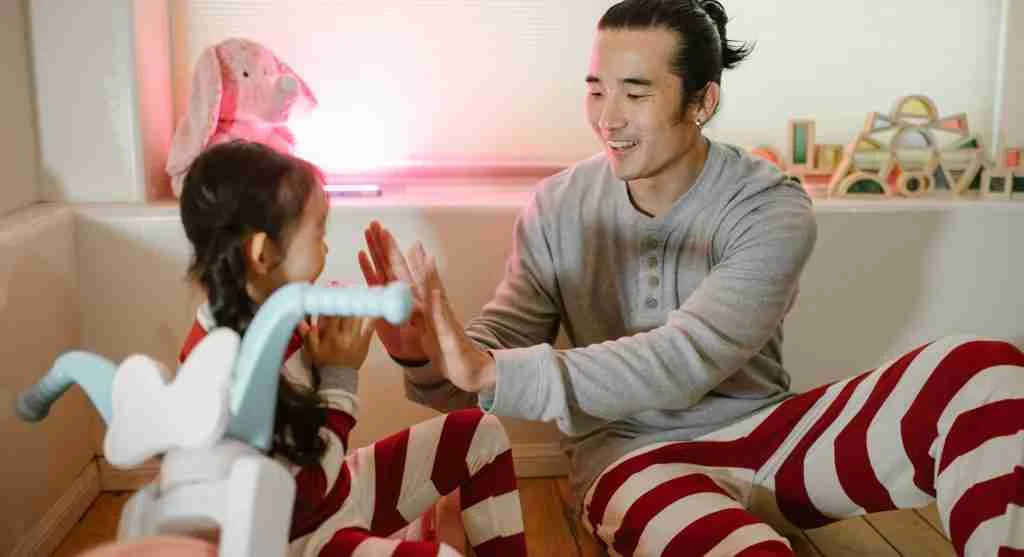
Children Often Carry These Music Cues in Memory for Years
One reason starting songs can matter so much is that they often stay in memory long after the exact details of the event change. A family tradition may evolve as children grow older, schedules shift, or routines become simpler. Yet the song can remain a thread connecting earlier and later versions of the ritual. That makes it a powerful memory bridge across childhood.
Family bonding experts generally note that repeated music often becomes one of the lasting emotional markers of family life. In many homes, a child may hear the song years later and instantly remember not only the tradition, but also the atmosphere, people, and emotional tone that went with it.
This Kind of Ritual Often Works Best Because It Is Small and Sustainable
Families sometimes assume meaningful traditions need to be large, impressive, or expensive. Yet some of the strongest memory cues are tiny and easy to maintain. A repeated opening song costs little, asks little, and can be added to many kinds of traditions without making the routine more complicated. That makes it more likely to last, and lasting often matters more than size.
Development specialists generally explain that children often build strong emotional attachment through the details that return reliably, not through the details that are grand only once. In many families, the song matters because it is simple enough to keep becoming part of life.
Why Children Often Remember Family Traditions More Strongly
Children often remember family traditions more strongly when the same song starts the activity every time because the song creates a repeated emotional cue that marks the beginning clearly, strengthens anticipation, and links many separate experiences together in memory. The music becomes part of the tradition’s identity and gives the child a recognizable sensory doorway into the family ritual. That often makes the tradition feel more distinct, more meaningful, and easier to remember over time.
In many homes, strong traditions are not built only through the main event. They are built through the small signals that children learn to recognize and love. Over time, one familiar opening song can become one of the deepest ways a child remembers family closeness.
FAQ
Does the same song really make a family tradition more memorable?
Yes, often it does. Repeated music can act as a strong emotional and sensory cue that helps children recognize and remember the tradition more clearly.
Does the song need to be special or meaningful already?
No. The song usually becomes meaningful through repetition, not because it started with deep meaning on its own.
Can this work for small weekly routines as well as holidays?
Yes. It can work well for weekly, monthly, seasonal, or yearly traditions because the power comes from repeated use in the same context.
Should children sing along too?
They can if they want to. Joining in often strengthens participation, but simply hearing the same song repeatedly can still build strong memory and connection.
Internal Linking Suggestions
Link this article to posts about simple family rituals, building meaningful traditions at home, childhood memory-making ideas, sensory cues in family routines, and easy ways to strengthen family connection.
Key Takeaway
Children often remember family traditions more strongly when the same song starts the activity every time because repeated music creates a clear emotional beginning, strengthens anticipation, and ties separate family moments together in memory. A simple opening song can become part of the tradition’s identity without making the routine more complicated. Families often build the strongest memories through small repeated cues children can recognize and trust. Over time, one familiar song can become a lasting symbol of family closeness and shared ritual.