Why Children Often Learn Better When Home Work Happens in a Familiar Place
Families often focus on what children practice at home, but child development and education specialists generally note that where practice happens can shape how well children engage with it. Children often learn better when home work happens in a familiar place because familiar spaces reduce uncertainty, support attention, and make it easier to move into the task without so much emotional resistance. In many homes, the challenge is not only the schoolwork itself. It is the effort required to settle, begin, and stay with the work long enough for learning to happen. This matters because children usually do not arrive at home practice with unlimited energy. After school, chores, activities, or family transitions, attention may already be stretched. Education guidance often suggests that a repeated learning spot can help by making the beginning of practice feel more recognizable and less mentally demanding. Over time, that familiar setting can become part of the routine that supports steadier focus and smoother follow-through.
Familiar Spaces Lower the Need to Reorient
When children move from one place to another for home practice, they often spend energy adjusting before the work even begins. They may need to get used to different sounds, different materials, different expectations, or a different setup each time. This adjustment may seem small to adults, but for children it can take attention away from the task itself. Education specialists often note that familiarity helps because it removes some of that extra work. A child who usually reads, writes, or finishes homework in the same general place begins to recognize that space as part of the learning routine. That recognition can make it easier to settle more quickly and begin with less resistance.Children Often Focus Better When the Environment Feels Predictable
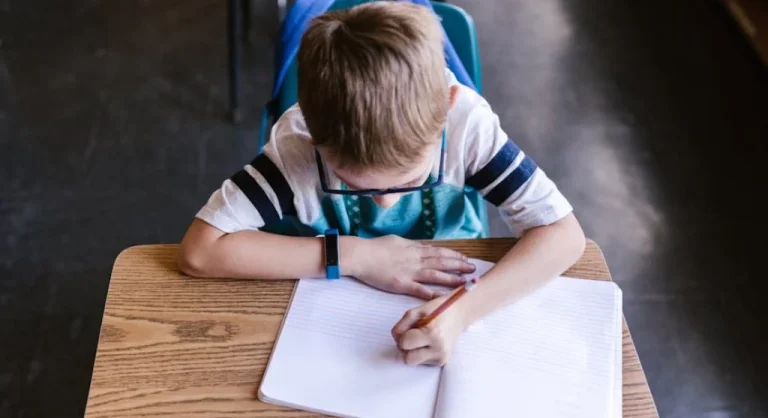
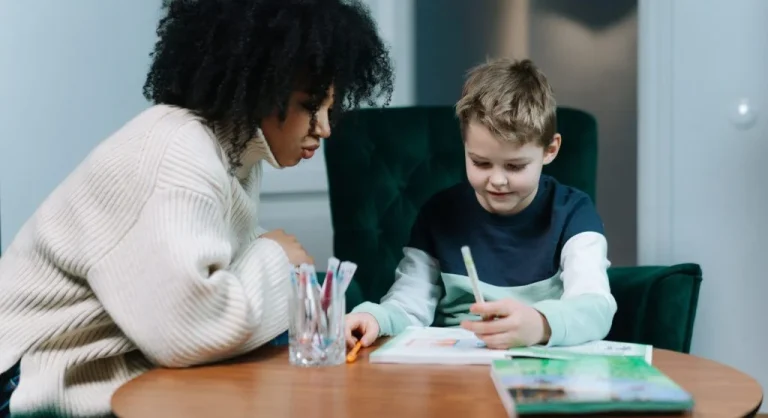
Many children pay attention more effectively when the space around them feels known and steady. A familiar table, chair, shelf, or corner of the room can support this by reducing the amount of new information the child has to manage. The child does not need to figure out where materials go or what this setting means. The environment itself starts giving a quiet signal that this is the place where practice happens. Child development specialists generally note that predictability supports attention because it lowers mental load. In many homes, children work more steadily not because the task changed, but because the place around the task became easier to rely on.
Credit: Tima Miroshnichenko / Pexels
A Repeated Study Place Can Help Children Start More Easily
Starting is often one of the hardest parts of home learning. Children may hesitate less when the work begins in a place already connected with the routine. A familiar space can become part of the start itself. Walking to that spot, sitting down, and seeing the usual materials often helps children understand that practice is beginning without needing as much repeated explanation. Family learning experts often note that routines work best when the setup supports the habit. If the child has to search for a place, clear a random surface, or adjust to a different room every time, beginning may feel bigger than it needs to. A repeated learning space often reduces that friction.Children Usually Feel More Confident in Places They Understand
Confidence during home practice is often tied to how manageable the whole experience feels. A familiar place can support confidence because the child already knows how the routine usually works there. The chair feels right, the books go in known spots, and the space does not require new adjustment each day. This can help the child use more energy for the skill and less for the setup. Development specialists often explain that children participate more willingly when expectations feel visible and clear. A familiar place quietly communicates those expectations. In many homes, that makes learning feel less uncertain and therefore less emotionally heavy.Familiar Places Often Support Better Use of Materials
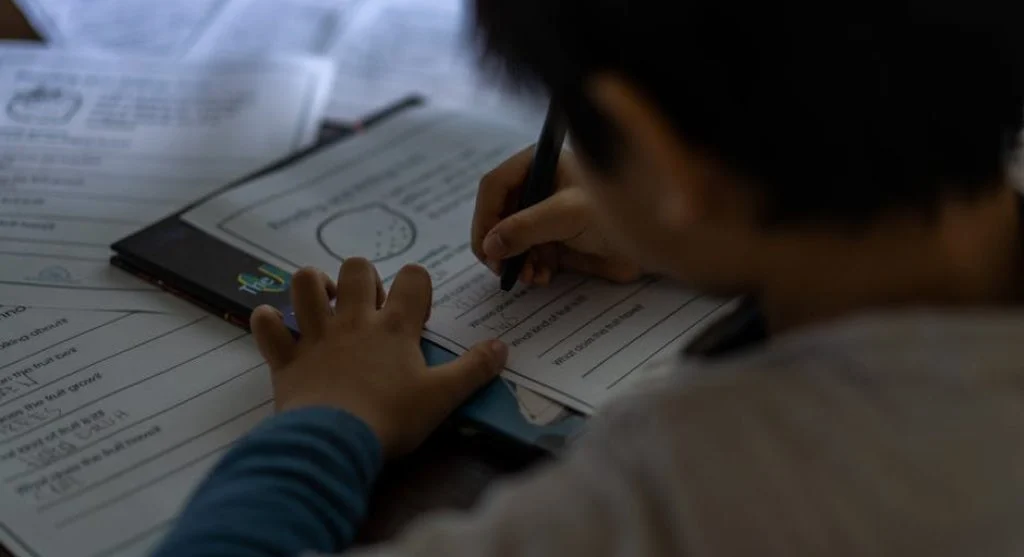
Home learning becomes more difficult when children are constantly looking for pencils, books, folders, or worksheets. A repeated study spot can make materials easier to find and return. This may sound like a practical detail, but it often affects attention more than adults expect. Each small search can interrupt focus and increase frustration. Education experts often note that children usually work more smoothly when materials have a predictable home. A familiar study place helps build that predictability. Over time, the child may spend less effort organizing the environment and more effort using it for actual learning.
Credit: Tima Miroshnichenko / Pexels
Not Every Home Needs a Separate Study Room
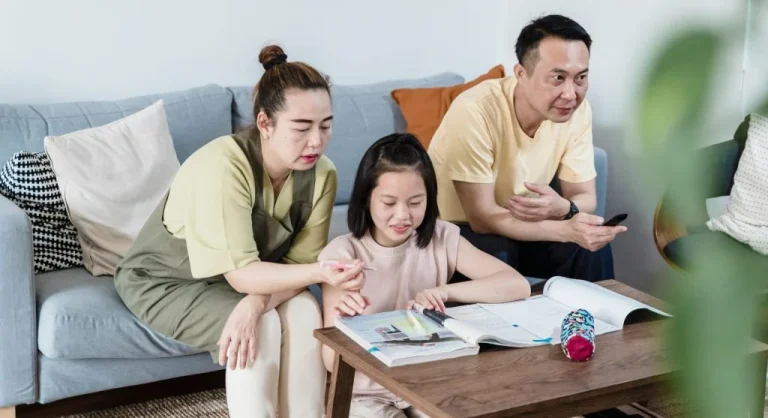
Some families worry that supporting learning at home requires a special office or elaborate study corner. In practice, child development and family routine specialists generally note that what matters most is familiarity, not perfection. A regular place at the kitchen table, a certain side of a desk, or one dependable corner of a room can work well if the child begins to associate that space with calm practice. This matters because families often need realistic systems that fit ordinary life. A modest and repeatable learning place usually helps more than an ideal setup that cannot be used consistently. In many homes, simple familiarity matters far more than appearance.Consistency in Place Can Strengthen the Whole Routine
When home work happens in a familiar place, the place itself becomes part of the cue for the routine. Over time, this can strengthen the larger habit of sitting down, beginning, and staying with the task. The child may still need reminders and support, but the environment starts helping carry the routine instead of making it harder. Family routine experts often note that children usually learn more steadily when habits are supported by repeated cues in daily life. A familiar study place is one of those cues. It tells the child, in a quiet and repeated way, what kind of activity belongs there and what happens next.Learning Often Feels More Manageable When the Space Feels Settled
Home practice usually works best when the child does not have to keep rebuilding the conditions for learning each day. A settled place can reduce uncertainty, support attention, and help routines become easier to repeat. The learning itself may still take effort, but the space around it stops adding unnecessary strain. Children often learn better when home work happens in a familiar place because familiar environments support steadier focus and smoother beginnings. In many homes, a repeated learning space becomes one of the simplest ways to make practice feel calmer, clearer, and easier to sustain over time.Key Takeaway
Children often learn better when home work happens in a familiar place because familiar spaces reduce uncertainty, lower mental load, and make it easier to begin and stay with the task. A repeated learning spot also helps children find materials more easily and connect the place itself with the routine. Families usually do not need a perfect study room for this to help. In many homes, one simple dependable learning space supports calmer and more consistent home practice.