
Why Children Often Learn Better When Home Practice Starts at the Same Point in the Routine
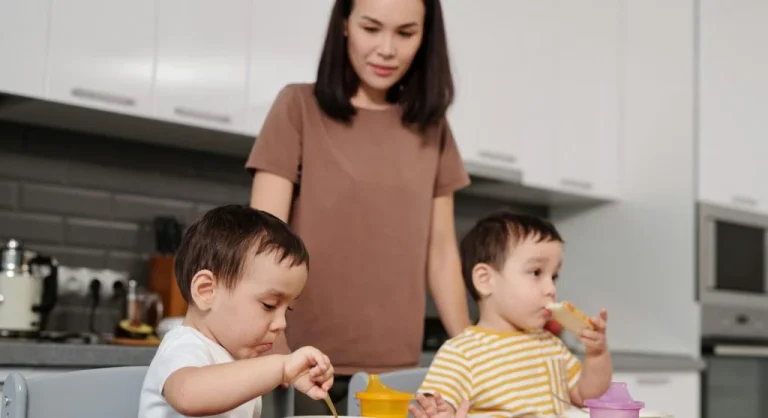
Home learning often becomes harder than families expect not because the work itself is impossible, but because the beginning of the session feels uncertain every day. A child may practice reading one day right after snack, another day after dinner, and another day only after repeated reminders late in the evening. Child development and education specialists generally note that children often learn better when home practice starts at the same point in the routine because a repeated starting point lowers resistance, supports focus, and makes learning feel easier to enter. In many homes, the child is not only reacting to the worksheet, book, or activity. The child is also reacting to the unpredictability of when the work begins.
This matters because children often rely on repeated daily patterns to manage effort. A familiar start such as after-school snack, after a short break, or after one specific household routine can turn home learning into something expected rather than constantly renegotiated. Education guidance often suggests that children usually do best when learning fits into a clear place in the day instead of appearing randomly whenever adults remember it. Over time, a repeated starting point can make practice feel calmer, more manageable, and easier for families to sustain.
Children Often Start More Easily When the Beginning Feels Familiar
Beginning is one of the hardest parts of home learning for many children. Even a short reading task or simple worksheet can trigger delay if the child does not know when it will appear or what usually leads into it. A familiar starting point helps because the child begins recognizing the pattern before the adult even says much. The routine itself starts preparing the child for the shift.
Child development specialists generally note that children use repeated structure to reduce uncertainty. When practice always begins after the same daily moment, the start feels less abrupt. In many homes, this lowers the emotional weight of homework or home learning because the child is not surprised by it over and over again.
A Clear Routine Starting Point Reduces Negotiation
Many family struggles around home practice come from the repeated question of when it will happen. Children may ask for more time, adults may delay it until later, and the whole session may become something everyone keeps pushing around the day. When the start point is stable, much of that negotiation often fades because the decision has already been built into the routine.
Family learning experts generally note that children usually cooperate more steadily when the timing is less open for debate. A child may still prefer to keep playing or resting, but the pattern feels more understandable when learning starts at the same routine point each day. In many homes, this shifts the conversation from “if and when” toward “this is what happens next.”
Children Often Focus Better When the Transition Is Repeated
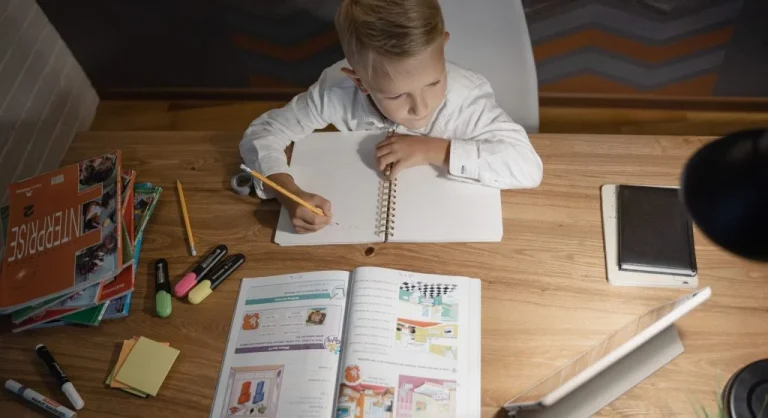
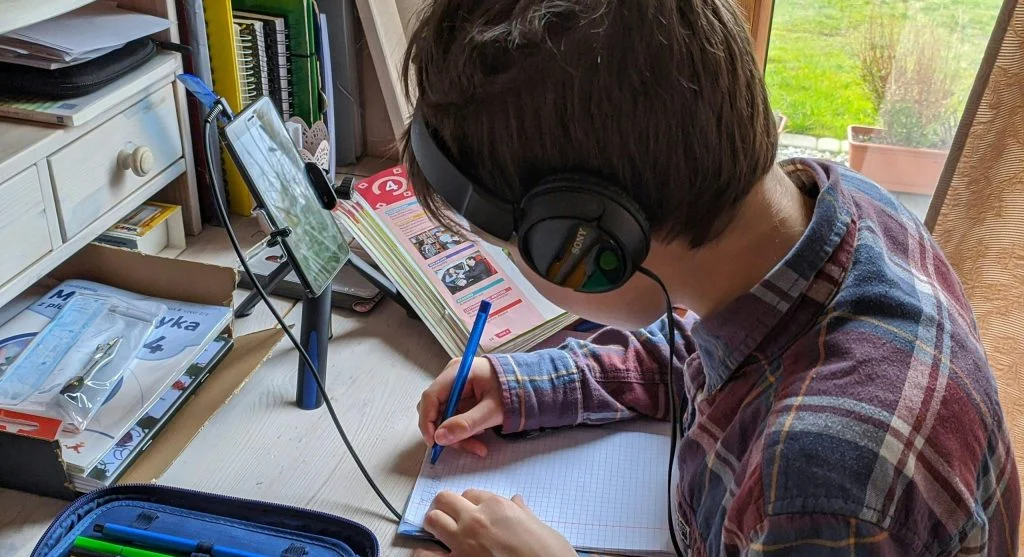
Home learning requires a shift from one kind of activity into another. A child may need to move from play to reading, from conversation to writing, or from movement to sitting still. These transitions are usually easier when they happen in a familiar way. If the same routine step leads into practice again and again, the child begins to associate that moment with a change in attention.
Development specialists generally explain that children do not always switch attention quickly without support. A repeated starting point can provide that support by acting as a cue. In many homes, focus improves not because the child suddenly loves the task, but because the mind has learned to expect the shift at that part of the routine.
Repeated Starting Points Often Protect Energy for the Work Itself
When children must keep figuring out when learning will begin, part of their energy goes into managing uncertainty before the task even starts. They may watch adults for cues, wonder whether more playtime is allowed, or feel tense because the work seems like it could appear at any moment. A fixed starting point reduces this burden by making the pattern easier to trust.
Education specialists generally note that learning tends to go better when children can use their energy on the skill rather than on the uncertainty surrounding the skill. In many families, a clear routine start protects mental effort by making the beginning more automatic and less emotionally draining.
Home Practice Often Feels Fairer When the Pattern Stays Steady
Children often react more strongly to learning when it feels unpredictable or uneven. If some days bring immediate homework and other days bring long delays, the routine may feel confusing rather than fair. A steady starting point often helps because the child experiences the expectation as stable. The session may still be challenging, but it feels less random.
Family routine experts generally note that predictability often improves cooperation because it reduces the feeling of being singled out in the moment. A child who knows that practice usually starts after one specific daily step often has an easier time accepting the task than a child who feels the task appears suddenly without a clear reason or pattern.

Children Usually Build Stronger Habits When the Cue Stays the Same
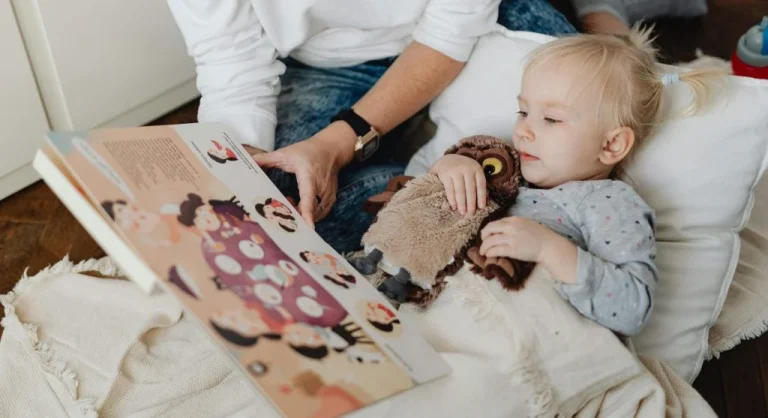
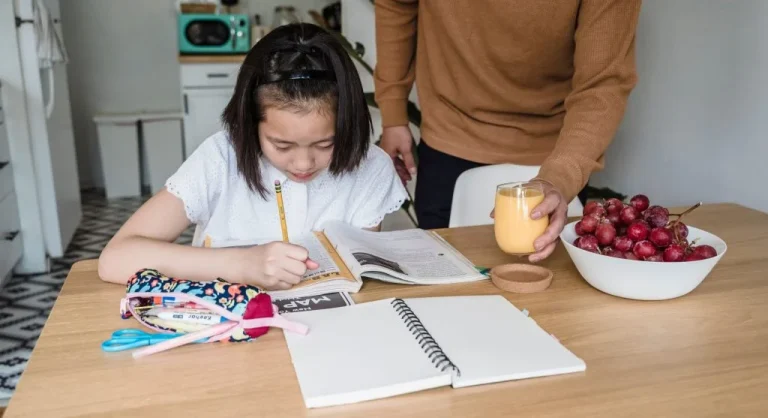
Habits often form best when one event consistently leads to the next. If home practice always begins after one regular moment in the day, the child starts linking those two things together. Snack leads to reading. Shoes off and bag down lead to homework. Bath leads to a short spelling review. These repeated links often make the habit stronger because the start is carried by a familiar cue.
Child development specialists generally note that children learn routines through repetition more than explanation. In many homes, the habit becomes easier when the child stops needing so many reminders and begins responding to the daily cue itself. Over time, that repeated link can make practice feel more natural and less effortful to begin.
A Routine Starting Point Helps Adults Stay More Consistent Too
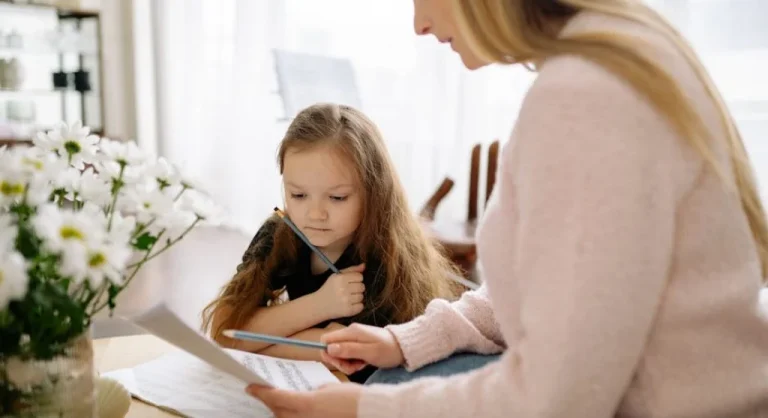
Children are not the only ones helped by repeated timing. Adults often manage home learning more effectively when the starting point is already decided. A fixed place in the routine reduces last-minute choices, lowers the chance of forgetting, and makes the session easier to protect from other distractions. This often improves adult tone as well, since there is less need for repeated chasing and urging.
Family learning specialists generally note that children respond strongly to adult consistency. In many homes, a repeated starting point helps adults guide the session more calmly, which in turn helps children settle into it with less tension. The routine becomes a shared support for both sides of the learning process.
The Best Starting Point Is Usually the One Families Can Repeat
Families do not need a perfect schedule for this to help. What matters most is usually not the ideal time in theory, but the time that can be repeated in real life. Some households do best right after a snack and short break. Others work better before dinner or after another steady routine step. The strongest starting point is often the one that happens often enough for the child to recognize and trust.
Education guidance often suggests that consistency usually helps more than chasing the perfect learning window every day. In many homes, children often learn better when home practice starts at the same point in the routine because the predictability itself supports focus, cooperation, and habit-building. Over time, that repeated start can turn home learning into a calmer and more workable part of everyday family life.
Key Takeaway
Children often learn better when home practice starts at the same point in the routine because repeated timing makes the beginning easier to expect and easier to enter. A familiar starting point can reduce negotiation, support attention, and help learning feel more manageable day after day. Families often see stronger cooperation when practice is linked to one steady routine cue instead of appearing unpredictably. Over time, that repeated start can help home learning become a more consistent and less stressful part of family life.