Why Children Often Put on Pajamas More Easily When the Bed Is Already Turned Down Before They Change
`Pajama time often looks like it should be the easiest part of the evening. The day is nearly over, the clothes are right there, and the next step seems obvious to adults. Yet many families know that this moment can suddenly fill with stalling, wandering, flopping on the floor, playful escape, or a strong emotional no.
Parenting specialists generally note that children often put on pajamas more easily when the bed is already turned down before they change because the next stage of the routine becomes visible and inviting before the child is asked to leave daytime clothes behind. In many homes, the difficulty is not only about getting dressed again. It is about not yet feeling where the evening is going. This matters because bedtime routines usually work best when each step clearly leads somewhere.
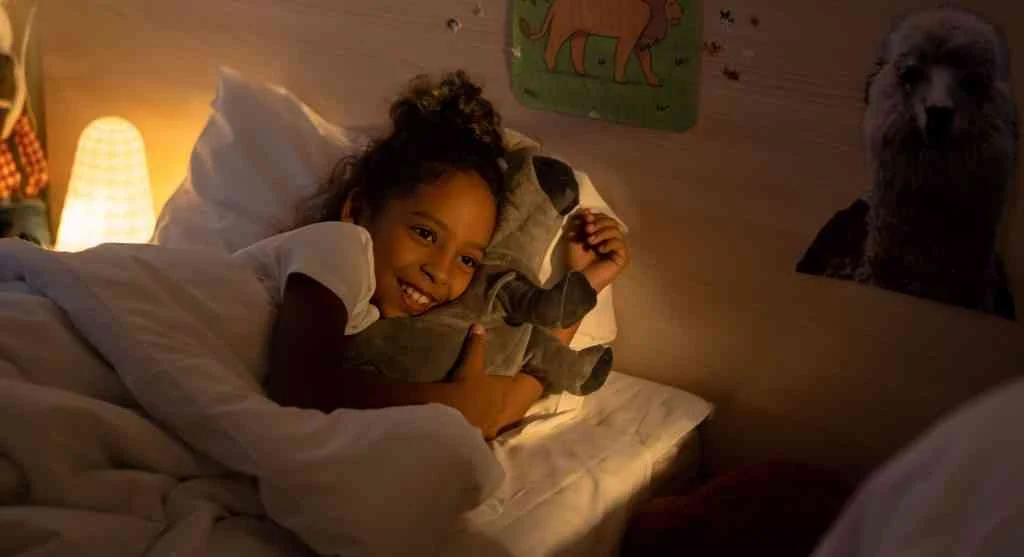
If pajama time feels like an isolated demand dropped into the middle of the evening, children may resist more strongly. Development guidance often suggests that children cooperate better when the environment shows what comes after the current task. A bed already opened, blankets folded back, stuffed animal ready, or pillow waiting in place can quietly signal that pajamas belong to a larger comforting sequence. Over time, this can reduce bedtime friction and make evening routines feel smoother, calmer, and easier to follow.
Pajama Resistance Often Begins Before the Child Touches the Clothes
Adults sometimes assume the problem begins when the child refuses the pajamas themselves. In many families, the resistance starts earlier. The child senses that bedtime is approaching and begins pushing back against the whole transition. Pajamas become the visible symbol of that change, even when the deeper resistance is actually about leaving play, ending attention-rich activity, or moving toward sleep before feeling ready.
Child development specialists generally explain that children often react to what a routine step means, not only to the step itself. In many homes, pajamas feel harder because the child experiences them as the doorway into nighttime separation from the day.
A Turned-Down Bed Gives Pajama Time a Clear Destination
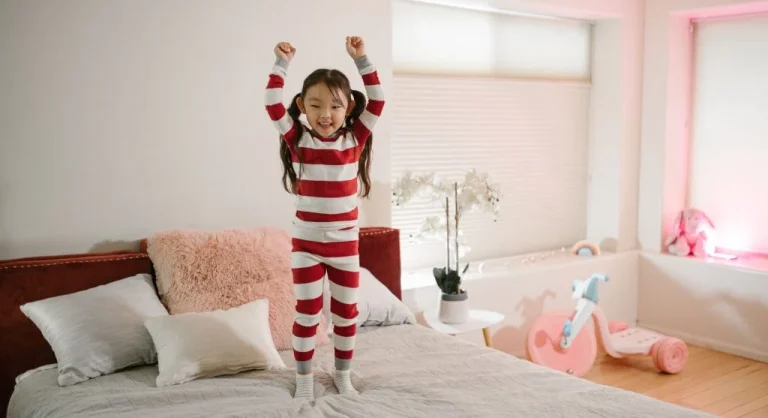
One reason this setup helps is that it answers an important unspoken question: what happens next? When the bed is already turned down, the child does not experience pajama time as a random requirement. The child can see the path. The pajamas lead toward a visible warm place that is already waiting. That helps the routine feel connected instead of fragmented.
Family routine experts generally note that children transition more smoothly when the next stage is easy to picture. In many homes, a ready bed helps because the child is not moving into an empty unknown. The routine has a destination the body can see.

Children Often Cooperate Better When Comfort Is Visible Before the Demand
Bedtime can feel easier when comfort shows up early rather than only after the child complies. A turned-down bed signals softness, rest, warmth, and familiarity before the adult says very much. This matters because children often resist less when the next step contains something obviously inviting. The routine begins to feel less like adults pushing bedtime and more like bedtime drawing the child in.
Development specialists generally explain that children often move toward visible comfort more easily than toward abstract expectations. In many families, the bed helps because it is not only part of the rule. It is part of the reassurance.
Pajamas Often Go Better When the Body Already Knows Where It Is Heading
Daily routines are deeply physical. Children do not move only by logic. They move by cues, rhythms, and body expectations. A turned-down bed changes the emotional feel of the room. The child’s body receives information that the active part of the evening is winding down and the restful part is ready. That can make changing clothes feel less abrupt.
Child behavior experts generally note that children often handle transitions better when sensory and visual cues support the message. In many homes, pajama resistance softens because the room is already communicating rest before the child is asked to act on it.
A Ready Bed Can Reduce Wandering During Pajama Time
One of the most common bedtime problems is drift. The child goes to get pajamas and ends up playing with blocks. The child removes socks and then runs to another room. The child sits on the floor and starts talking about something unrelated. A turned-down bed can reduce some of this because it gathers the routine toward one visible center. The child is less likely to feel that pajama time is happening in open-ended space.
Family communication specialists generally note that children often stay with routines better when the environment points them toward a clear next place. In many homes, the ready bed quietly helps organize attention and movement during a part of the evening that otherwise easily scatters.
Children Often Accept Pajamas More Easily When Bedtime Feels Like a Sequence, Not a Command
Adults often speak in commands because evening time is busy and everyone is tired. “Put on pajamas” is clear, but it can still sound like a disconnected instruction. When the bed is already ready, the child may experience the same request as one step inside a sequence: bath, pajamas, bed, story, rest. That difference matters because sequences are usually easier for children to trust than commands that seem to stand alone.
Development guidance often suggests that predictable chains of events lower emotional resistance. In many homes, pajamas become easier not because the words are softer, but because the child understands where the step belongs.
The Setup Can Help Children Who Resist the Feeling of the Day Ending
Some children do not object to pajamas because of the clothing itself. They resist because they do not want the day to close. Bedtime carries emotional weight. It ends family noise, play energy, and the visible life of the household. A turned-down bed can soften this by making the next part of the evening look peaceful rather than merely final. The child sees not only that the day is ending, but also how it will end.
Parenting specialists generally note that children often need help crossing emotional endings as much as practical ones. In many families, the ready bed reduces pajama resistance because it replaces some of the child’s vague sadness or tension with a clearer and gentler landing point.
Parents Often Stay Calmer When the Room Is Already Prepared
This small routine helps adults too. Bedtime often becomes chaotic when parents are giving directions while also straightening blankets, finding pajamas, locating the stuffed animal, and managing a tired child at the same time. When the bed is already turned down, one layer of adult scrambling disappears. That practical calm often changes the tone of the whole interaction.
Family routine experts generally explain that children respond strongly to adult pace during transitions. In many homes, pajama time improves partly because the parent sounds more prepared and less pressured when the room is already set.

This Strategy Can Support Stronger Bedtime Association Over Time
Children learn routines partly through repetition of small details. If the bed is turned down night after night before pajamas go on, the child begins linking the sight of the bed with the expectation of changing and settling. That repeated pairing can become powerful. The room itself starts carrying part of the bedtime message before the adult even speaks it.
Child development specialists generally note that children internalize routines through repeated environmental patterns. In many families, the turned-down bed becomes one of those patterns and slowly helps bedtime feel less negotiable and more naturally expected.
This Does Not Remove Every Bedtime Struggle, but It Often Removes One Layer of Friction
Not every pajama problem comes from routine setup. Some children are overtired, sensory-sensitive, highly energetic at night, or emotionally resistant to bedtime for deeper reasons. Turning down the bed will not solve every piece of that. Yet daily routines often improve through small practical supports that remove one repeated obstacle. This can be one of them.
Development specialists generally explain that smoother home routines usually come from many small good designs rather than one perfect trick. In many homes, a ready bed helps because it takes away one source of uncertainty and helps the child move through pajama time with less emotional drag.
Visible Readiness Often Works Better Than More Repetition
When children resist pajamas, adults naturally repeat themselves. More reminders can help sometimes, but often the child does not need the instruction repeated as much as the routine made clearer. A turned-down bed does part of that work visually. It shows the child what is next instead of requiring the adult to say it over and over.
Family communication specialists generally note that children often follow routines better when the environment supports the expectation. In many families, bedtime becomes less verbal and less tense because the room itself is already guiding the child toward the next step.
Why Children Often Put on Pajamas More Easily
Children often put on pajamas more easily when the bed is already turned down before they change because the next stage of bedtime becomes visible, comforting, and easier to trust. Pajamas no longer feel like a disconnected demand. They feel like the natural step toward a ready resting place. That often lowers resistance and helps the child move through the evening with less uncertainty.
In many families, smoother bedtime routines do not begin with stronger commands. They begin with better preparation. Over time, one simple habit of turning down the bed before pajama time can make evenings calmer, transitions easier, and bedtime feel more inviting for children and parents alike.
FAQ
Why does a turned-down bed help with pajama time?
Because it makes the next step visible and comforting, which helps children understand where the routine is going and why pajamas are happening now.
Does this work only for younger children?
It is especially helpful for younger children, but older children who resist bedtime transitions may also benefit from a more clearly prepared room.
What if my child still resists putting on pajamas?
Resistance can still happen, but a ready bed often removes one layer of uncertainty and may make the routine shorter and less emotional overall.
Should parents prepare the bed before every bedtime?
Consistency usually helps. Repeating the same setup can strengthen the child’s understanding that pajamas lead into a familiar and calming bedtime sequence.
Internal Linking Suggestions
Link this article to posts about bedtime routines, calming evening transitions, reducing pajama resistance, preparing children for sleep, and practical home setup tips for smoother family routines.
Key Takeaway
Children often put on pajamas more easily when the bed is already turned down before they change because the next step of bedtime feels visible, comforting, and expected. A ready bed gives the routine a destination and helps children move toward sleep with less uncertainty. Families often improve daily routines through small environment-based supports rather than more repeated reminders. Over time, this simple bedtime habit can make evenings calmer and reduce one of the most common points of resistance.