
Why Children Often Argue Less When Parents Answer the First Complaint but Not the Next Five Repeats
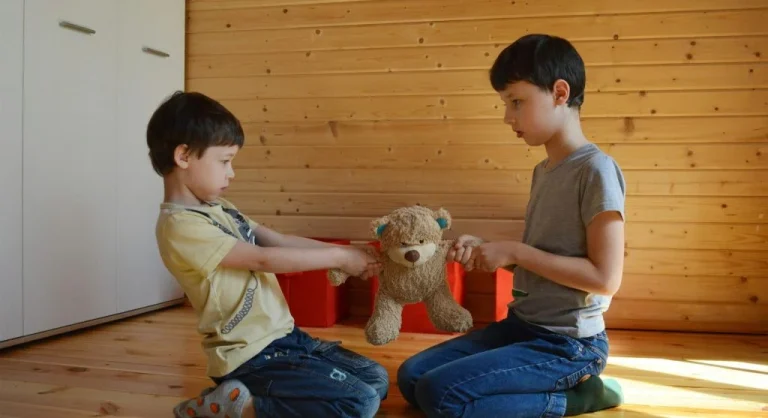
Many family arguments do not begin with major problems. Instead, they often start with a single complaint that gets repeated again and again until the entire conversation becomes a struggle. A child may object to bedtime, a screen-time limit, taking turns with a sibling, or leaving the house. Then the same complaint returns several more times in slightly different forms.
Parenting specialists generally note that children often argue less when parents respond to the first complaint but avoid re-engaging with the next several repeats. This approach helps children feel heard without teaching them that repeating the same concern creates a brand-new negotiation each time. In many homes, arguments grow larger not because the original concern was significant, but because the discussion keeps reopening.
This matters because repetition often serves two purposes at once. Sometimes children genuinely want to feel understood. Other times they are testing whether persistence will eventually change the answer. Development experts frequently suggest that family communication improves when adults acknowledge the first concern clearly and then stop feeding the cycle of repetition. Over time, this can reduce unnecessary conflict while still showing children that their feelings matter.
The First Complaint Usually Deserves a Genuine Response
When children feel that their original concern was ignored, they often become more determined to repeat it. The first complaint frequently contains useful information. A child may be disappointed, frustrated, confused, or worried that something feels unfair. If adults immediately dismiss the concern without acknowledging it, the child may simply repeat it more loudly or more often.
Child development specialists generally explain that children tend to calm down more quickly when they feel heard early in the conversation. In many families, a thoughtful response to the initial complaint is enough to reduce the need for continued repetition. The key difference is that listening does not require endless debating.
Repetition Often Changes From Expression to Pressure
After the first concern has been acknowledged and answered, repeated complaints often serve a different purpose. The child may no longer be communicating new information. Instead, they may be trying to reopen the decision through persistence. The words can still sound emotional, but the pattern often shifts from expressing feelings to applying pressure.
Family communication experts generally note that parents sometimes unintentionally strengthen arguing by treating every repetition as a fresh discussion. In many homes, children learn that repeating the same complaint keeps the conversation alive, even when nothing new is being said.

Responding to Every Repeat Can Reinforce the Cycle
Many parents continue explaining because they hope additional information will create more understanding. Unfortunately, repeated explanations can sometimes have the opposite effect. Each new response signals that the discussion is still open and that continued persistence might eventually lead to a different outcome.
As a result, the child may keep rephrasing the same complaint because the ongoing conversation suggests progress is still possible. Parenting specialists generally explain that children pay close attention to what keeps interactions going. In many families, repeated arguing begins to fade when parents respond thoughtfully once and stop treating every repeat as a new opportunity for negotiation. This teaches an important lesson: being heard is encouraged, but repeated pressure does not change the rules.
Children Often Calm Faster When They Feel Heard
One reason this approach works is that it combines understanding with consistency. The child receives acknowledgment. Their feelings are recognized. Their concern is answered. At the same time, the adult does not repeatedly reopen the issue.
Development specialists generally note that children regulate emotions more effectively when adults are both responsive and steady. In many homes, arguments decrease once children trust that their first complaint will receive genuine attention and that repeating it several more times will not alter the outcome.
New Information Is Different From Repeating the Same Point
Some parents worry that refusing to engage with repeated complaints means shutting down communication. A useful distinction is whether the child is offering something new.
For example:
- “I thought Grandma was coming too” provides new information.
- Repeating “That’s not fair” six more times does not.
Family relationship specialists generally explain that healthy communication involves responding to new thoughts, concerns, and information while avoiding endless cycles of the same argument. In many homes, recognizing this difference allows parents to remain open without becoming trapped in repetitive debates.

Children Often Borrow Calm From Adults
Arguments gain momentum when both people continue participating in the same cycle. The child repeats the complaint. The parent repeats the answer. The child pushes harder. The parent explains again. When the adult stops re-entering the loop after a clear response, the emotional energy often begins to decrease.
Child behavior specialists generally note that children frequently mirror the emotional pace of the adults around them. In many families, arguments become shorter when parents stop treating each repeated complaint as something that requires another explanation. The conversation loses energy because one side is no longer fueling it.
This Approach Helps With Daily Routine Conflicts
Repeated complaints often appear during predictable daily routines.
Common examples include:
- Bedtime
- Screen-time limits
- Homework
- Cleaning up
- Taking turns
- Leaving the house
Because these situations occur repeatedly, they can easily become recurring argument zones. Development experts often suggest that routines become smoother when adults keep communication clear, brief, and consistent. In many homes, children argue less over time when they learn that the first concern will be heard but endless repetition will not extend the discussion.
Parents Often Feel Calmer Too
This strategy benefits adults as well as children. Many parents become frustrated not because of the original complaint, but because they feel forced to defend the same decision repeatedly. Repeated explanations can leave adults sounding more irritated, defensive, or exhausted than they intended.
Parenting specialists generally note that children respond better when adults sound calm and confident rather than worn down. In many homes, parents find it easier to maintain patience when they no longer feel responsible for creating a new defense of the same answer every few minutes.

Feelings Can Continue Even When the Decision Is Closed
A common misunderstanding is that ending the argument means demanding immediate acceptance. That is not the goal. Children may still feel disappointed, frustrated, sad, or annoyed after hearing the final answer. Those emotions are valid. Family communication experts generally explain that emotional support and decision-making are separate things. In many homes, children recover more quickly when parents communicate:
“I hear that you’re upset. The answer is still the same.” This allows room for feelings without reopening the discussion.
Children Learn That Clear Communication Matters More Than Persistence
Over time, children begin to understand how conversations work within the family. If repeated complaints consistently create more attention, they may learn to rely on persistence rather than clarity.
If thoughtful concerns receive a genuine response the first time, while repeated pressure does not change the outcome, children gradually learn that clear communication is more effective than repeating the same point.
Child development specialists generally note that communication habits are shaped by repeated family experiences. In many homes, arguments decrease because children learn that expressing themselves clearly matters more than arguing endlessly.
Why Children Often Argue Less
Children often argue less when parents answer the first complaint but not the next several repeats because this approach meets the child’s need to be heard without turning repetition into a successful strategy.
The child learns that their initial concern matters. They also learn that repeating the same complaint over and over does not reopen every decision.
In many families, calmer communication comes not from longer explanations but from clearer endings. One thoughtful response followed by consistent boundaries often reduces conflict, protects relationships, and makes everyday family life feel more manageable.
FAQ
Does this mean parents should ignore children after the first complaint?
No. Parents can listen and answer the first real concern clearly. The goal is to avoid repeatedly reopening the same issue when nothing new is being added.
What if the child brings up a new reason?
New information deserves attention. This approach is about repeated pressure, not about ignoring genuinely new thoughts or concerns.
Will this help with bedtime or screen-time arguments?
Yes. It can be especially helpful in repeated daily routine struggles where the same complaint gets recycled many times.
Can children still be upset after the answer stays the same?
Yes. Children can still have feelings even when the decision is closed. The goal is to separate emotional support from endless debate.
Internal Linking Suggestions
Link this article to posts about reducing family arguing, calm discipline, handling repeated complaints, bedtime resistance, screen-time transitions, and stronger communication habits at home.
Key Takeaway
Children often argue less when parents respond thoughtfully to the first complaint but avoid repeatedly defending the same answer afterward. This approach helps children feel heard while preventing repetition from becoming an effective negotiation tool. Families often experience calmer conversations when adults acknowledge concerns clearly, maintain consistent boundaries, and allow emotions without endlessly reopening decisions. Over time, this pattern can strengthen communication skills and reduce unnecessary daily arguments.