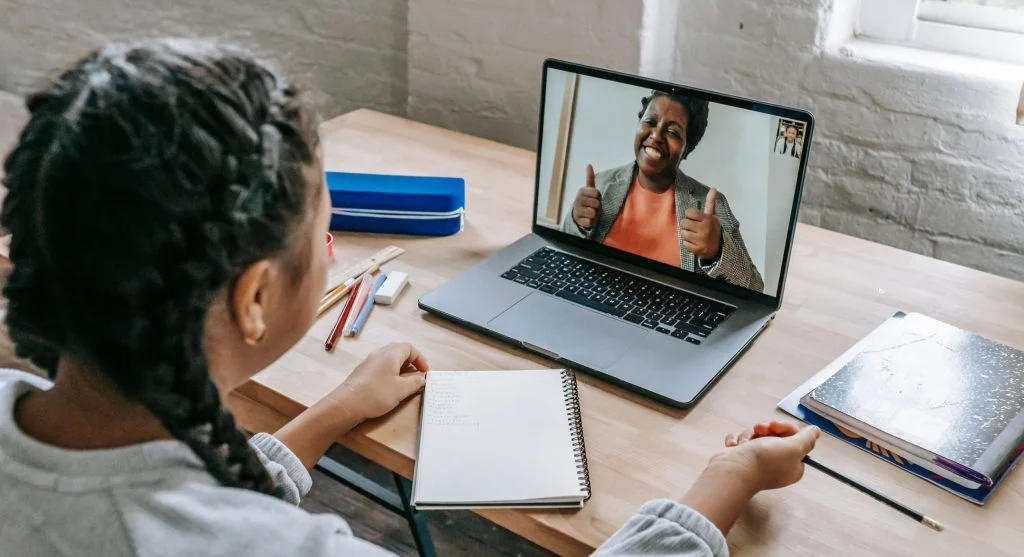
Why Children Often Learn Directions Faster When Parents Turn the First Step Into a “Show Me” Instead of a Question
Many children appear to understand directions one moment but seem completely unsure the next. A parent explains what needs to be done, the child nods in agreement, and then either freezes, starts with the wrong task, or immediately asks what they are supposed to do first. Education specialists generally note that children often learn directions more effectively when parents ask them to “show the first step” instead of simply asking whether they understand.
Demonstrating the first action often reveals far more about a child’s understanding than a quick verbal response ever can. In many homes, children say “yes” before they are truly ready to carry out the instruction. This matters because adults often check comprehension by asking questions like, “Do you know what to do?” or “Did you understand?” Children frequently answer yes, even when they are still uncertain. Sometimes they want to please the adult.
Other times they believe they understand more than they actually do. Development experts often suggest that asking children to physically demonstrate the first step creates a stronger connection between hearing an instruction and acting on it. Over time, this simple habit can strengthen listening skills, reduce repeated confusion, and help children become more confident when following multi-step directions.
Children Often Say “Yes” Before They Truly Understand
Parents naturally rely on yes-or-no questions because they seem quick and efficient. Asking, “Do you understand?” feels like an easy way to confirm that directions were clear. For children, however, these questions do not always produce reliable answers. A child may say yes because they feel rushed, want to satisfy the adult, or hope the rest of the task will make sense once they begin.
Child development specialists generally explain that agreeing verbally is not always the same as fully understanding. In many families, children who appear forgetful or distracted may actually have started the task with only a partial understanding of the instructions.
Asking Children to “Show Me” Makes Understanding Visible
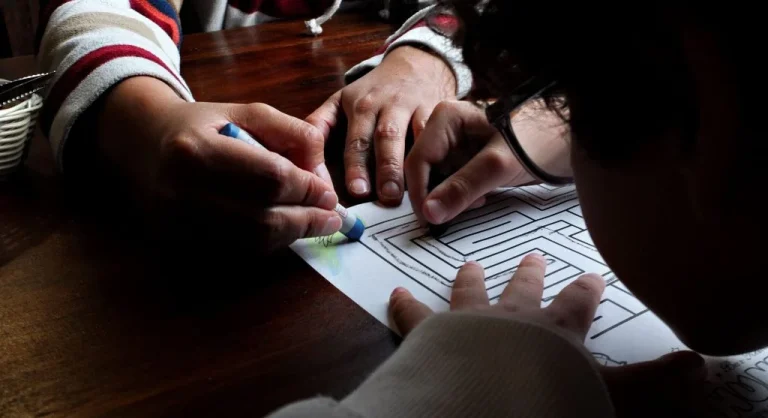
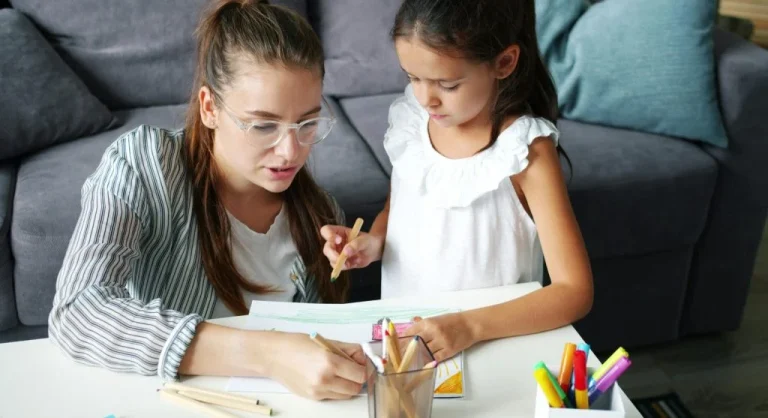
When parents ask children to show the first step instead of simply answering a question, understanding becomes something they can see. Rather than reporting that they know what to do, children demonstrate it through action. If they pick up the correct notebook, open the right page, place their shoes by the door, or point to the first item they need, parents immediately know the instruction has been understood. If confusion exists, it becomes obvious before frustration has a chance to build.
Family learning experts generally note that physical action often reveals understanding more accurately than verbal reassurance. In many homes, this approach allows parents to support children at the exact point where confusion begins instead of discovering the misunderstanding much later.
Physical Action Helps Strengthen Memory
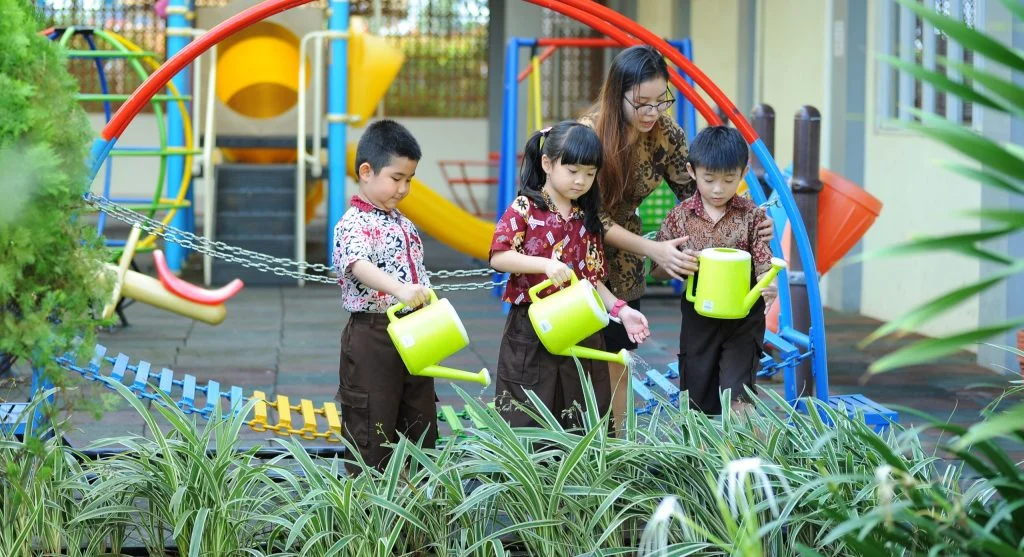
Children often remember directions more effectively when movement becomes part of the learning process. Hearing an instruction provides one layer of learning, but physically performing the first step reinforces it. Whether a child picks up a folder, walks toward the sink, grabs a pencil, or places a toy into a storage bin, connecting movement with the instruction often makes the remaining steps easier to remember.
Development specialists generally explain that many children learn routines best when verbal directions are paired with physical actions. In many families, asking children to “show the first step” transforms an instruction from something they simply heard into something they have already started doing.
Demonstrating Is Easier Than Guessing
One weakness of yes-or-no questions is that they encourage guessing. Children may hesitate to admit they are unsure because they do not want to disappoint a parent or appear as though they were not paying attention. Asking them to show the first step removes that pressure. Instead of proving they understand, they simply begin the task.
Parenting specialists generally note that children often feel more comfortable when adults ask them to act rather than explain. In many homes, this shifts the focus away from testing and toward helping children get started successfully.
A Strong First Step Supports the Entire Sequence
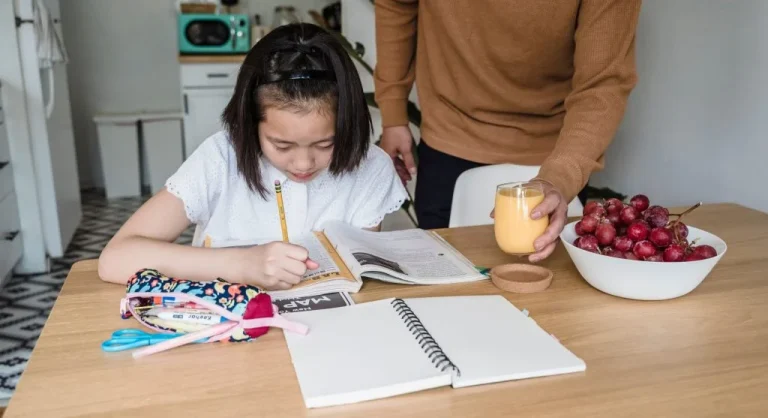
Many everyday tasks involve several steps. Whether children are completing homework, getting ready for school, or cleaning up their room, they need to know what comes first before they can successfully complete everything that follows. When the first step is uncertain, the rest of the task often becomes confusing as well. Asking children to demonstrate that first action creates a stronger foundation for the entire sequence.
Education specialists generally explain that children manage multi-step directions more successfully when the opening step is especially clear. In many homes, once the first action is underway, completing the remaining steps becomes much easier.

This Approach Can Reduce Repeating the Same Directions
Many parents find themselves giving the same instructions several times because children do not begin correctly after the first explanation. Repeating directions can quickly become frustrating for both parent and child. Asking children to demonstrate the first step often interrupts this cycle by revealing misunderstandings immediately instead of several minutes later.
Child behavior experts generally note that frustration decreases when confusion is addressed early and calmly. In many families, this approach reduces repeated reminders because the child begins the task correctly from the start.
Successful Starts Build Confidence
Confidence often develops through early success. A child who hears a direction and immediately begins correctly is more likely to feel capable and motivated. In contrast, a child who guesses, makes mistakes, and has to restart may quickly begin to doubt themselves. Asking children to show the first step increases the likelihood of a successful beginning, which often improves the entire experience.
Development guidance often suggests that children remain engaged longer when they feel confident right from the beginning. In many homes, the “show me” approach creates a smoother path toward success by making the first step easier to understand.
This Method Works Beyond Homework
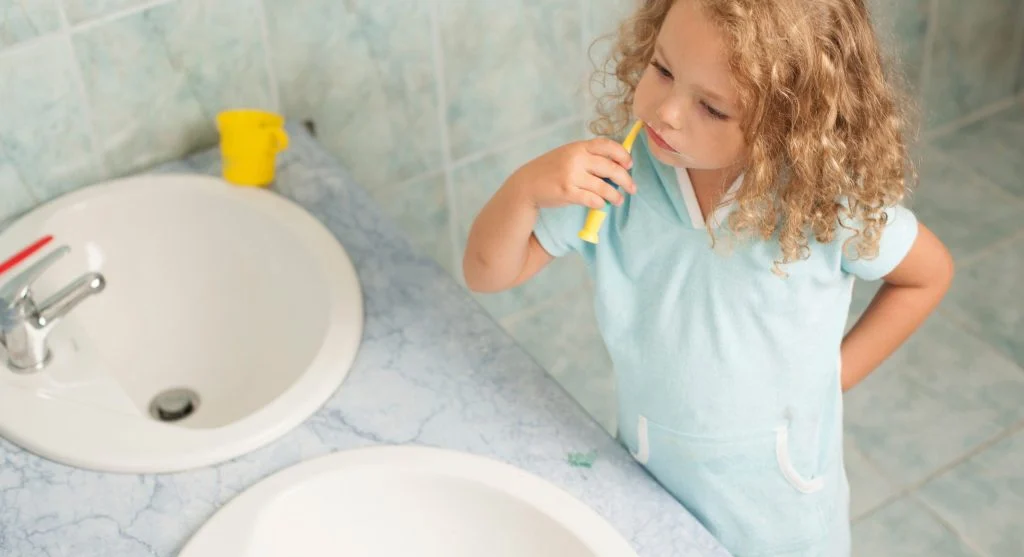
Although especially helpful during learning activities, this strategy applies to many everyday routines as well. Morning preparations, cleaning up toys, packing a school bag, getting dressed, bath time, and bedtime all involve following directions. In each situation, asking a child to demonstrate the first step often prevents confusion more effectively than asking whether they understand the instructions.
Family routine specialists generally note that children benefit most from strategies they can use across different parts of daily life. In many homes, “Show me what comes first” becomes a familiar phrase that supports both learning and everyday routines.
Parents Often Give Better Directions Too
This approach also improves the way adults communicate. Knowing they will ask children to demonstrate the first step encourages parents to think more carefully about how they give instructions. Rather than offering long explanations, they naturally focus on one clear action that helps the child begin.
Parenting experts generally note that children respond more successfully when adults frame directions around concrete actions instead of lengthy verbal explanations. In many families, this shift makes communication calmer, clearer, and easier for everyone involved.
Over Time, Children Begin Starting Tasks Independently
At first, children may need an adult to ask them to show the first step. With repeated practice, many begin asking themselves the same question internally. They naturally pause, think about what comes first, gather the right materials, and begin with greater confidence. What started as an external prompt gradually becomes an internal habit for organizing tasks.
Child development specialists generally explain that many independent learning skills begin with guided routines. In many homes, asking children to “show the first step” becomes a bridge toward stronger self-starting skills rather than a permanent support.
Why Children Often Learn Directions Faster
Children often learn directions more quickly when parents ask them to “show the first step” because physical demonstration reveals genuine understanding while immediately connecting action with instruction. Rather than relying on a simple verbal “yes,” parents can see whether the child knows how to begin. That small change often reduces confusion, strengthens memory, and makes the rest of the task much easier to complete.
In many families, improving direction-following does not require asking children harder questions about whether they understood. It begins by helping them demonstrate the first step. Over time, this simple shift can build stronger listening skills, greater confidence, and increased independence during learning and everyday routines.
FAQ
Why is “show me” often better than “do you understand”?
Because children may say yes before their understanding is secure. Showing the first step gives clearer evidence of what they actually know.
Can this help with homework and school tasks?
Yes. It works especially well for home learning because many children need help turning directions into action, not just hearing them.
Does this method also work for daily routines?
Yes. It can help with dressing, cleanup, packing bags, bedtime, and other tasks that begin with one important first move.
Will children become dependent on being asked to show the first step?
Usually not. With practice, many children begin doing this more independently and become better at self-starting over time.
Internal Linking Suggestions
Link this article to posts about homework routines, helping children follow directions, school readiness skills, smoother family routines, and building independent task habits at home.
Key Takeaway
Children often learn directions more quickly when parents ask them to “show the first step” instead of simply asking whether they understand. Demonstrating the first action reveals real understanding, strengthens memory through movement, and helps children begin tasks with greater confidence. Families often find that replacing verbal confirmation with visible action reduces confusion and creates smoother routines. Over time, this simple habit can encourage stronger listening skills, greater independence, and more successful direction-following at home.