Why Children Often Value Family Traditions More When the Same Object Comes Out Only for That Ritual
Family traditions become meaningful through repetition, but the part children remember most is not always the biggest event itself. Often, it is a single object that only appears when that tradition begins. Family relationship specialists generally note that children tend to value family traditions more when the same object is used exclusively for one ritual because it becomes a clear, visible signal that this moment is different from everyday life. In many homes, something as simple as a special basket, serving tray, blanket, candleholder, story box, wooden spoon, picnic cloth, or seasonal mug can carry far more emotional meaning than adults might expect.
This matters because children often understand experiences through concrete, physical cues. Adults may connect with traditions through memories and intentions, but children usually recognize them through what they can see, touch, and anticipate. Development experts often suggest that using one familiar object for a specific family ritual strengthens a child’s sense of belonging by giving that shared experience a consistent physical marker. Over time, the object becomes closely tied to the tradition itself and forms part of its emotional identity.
A Special Object Helps Separate the Tradition From Everyday Life
Many family routines are loving and meaningful, but without something that clearly sets them apart, they can easily blend into the rhythm of ordinary days. A single object reserved for one special ritual creates a noticeable boundary. The moment it appears, children recognize that something familiar and important is about to begin.
Child development specialists generally explain that children often feel more secure when meaningful experiences have clear markers. In many families, the special object quietly announces the beginning of the tradition without anyone needing to explain it.
Children Often Form Emotional Connections Through Physical Objects
Adults sometimes underestimate how strongly children connect emotions with familiar objects. A particular tablecloth, serving bowl, lantern, or blanket may seem ordinary to a parent, yet become deeply meaningful to a child simply because it always appears during the same special family activity.
Family bonding experts generally note that children naturally attach strong feelings to repeated sensory experiences. In many homes, the object becomes memorable not because it is valuable or decorative, but because it consistently appears during warm, happy family moments.
The Object Becomes Part of the Memory
Children often remember experiences through small, recurring details rather than broad descriptions. Instead of recalling “our monthly family gathering” or “our holiday tradition,” they may remember “the blue basket,” “the special candle,” or “the picnic blanket.” The object becomes the detail that helps them recognize and recall the entire experience.
Development specialists generally explain that childhood memories are often anchored by familiar physical details. In many families, a single repeated object helps children organize and remember traditions more clearly because it gives the experience a recognizable shape.
Seeing the Object Builds Excitement
One reason these special objects become so meaningful is that they create anticipation. Children often react the moment they see the familiar item. They may smile when the basket appears, move closer as the blanket is spread out, or become excited when a favorite tray is placed on the table because they already know what comes next.
Parenting specialists generally note that anticipation strengthens emotional attachment. In many homes, the object becomes exciting because it signals that another familiar and enjoyable family moment is about to begin.
The Most Meaningful Objects Are Often the Simplest
Families do not need expensive keepsakes or elaborate decorations to create lasting traditions. In fact, ordinary everyday objects often become the most meaningful when they are used consistently for one special purpose. The emotional value comes from repetition rather than cost.
Family routine experts generally explain that lasting traditions often grow from simple details repeated over time. In many homes, a humble object becomes special simply because it always appears in the same loving context until it feels inseparable from the tradition itself.
Children Feel a Stronger Sense of Belonging
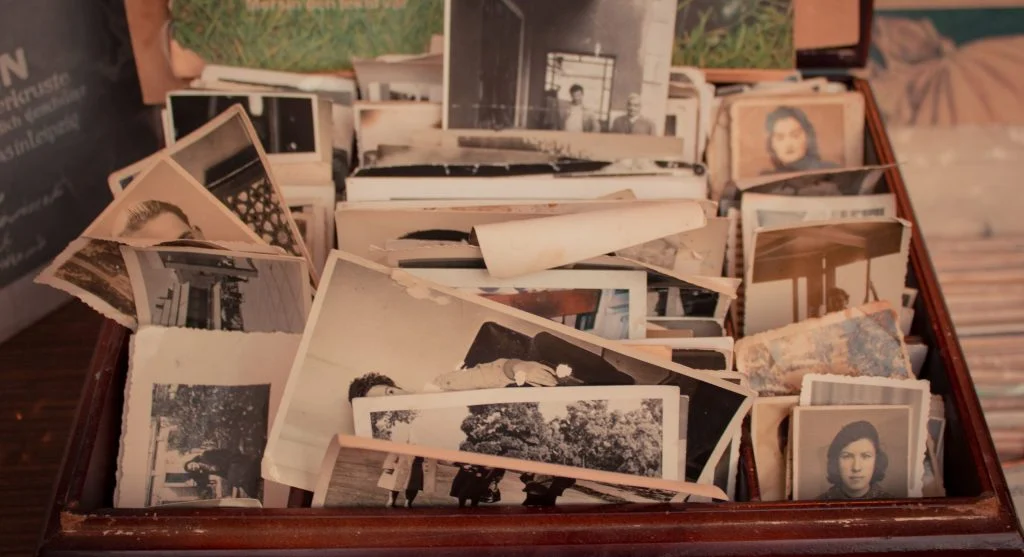
A special object can also help children recognize that their family has its own unique traditions. Seeing the same item every time reinforces the feeling that “this is what our family does.” That shared identity quietly strengthens a child’s sense of connection and belonging.
Family relationship specialists generally explain that children benefit from repeated signs of family identity. In many homes, the special object becomes one of those reassuring symbols, reminding children that they belong within something familiar and shared.
Objects Reserved for One Tradition Feel More Special
Part of the object’s emotional power comes from the fact that it is not used for everyday activities. If the same tray, blanket, or bowl is used constantly for unrelated purposes, it may lose some of its unique meaning. When it appears only during one family tradition, children develop one strong association with it.
Development guidance often suggests that children respond most strongly to cues that remain consistent. In many families, keeping the object exclusive to one ritual helps preserve its special emotional significance.
Young Children Can Join the Tradition Before They Fully Understand It
Young children may not yet understand the cultural or emotional meaning behind a family tradition. Even so, they can still recognize and participate in it through familiar objects. The repeated appearance of the same item gives them an easy way to identify the pattern long before they understand its deeper significance.
Child development specialists generally explain that children often experience traditions through repetition and sensory familiarity first, with deeper understanding developing as they grow older. In many homes, the special object serves as an early introduction to family rituals that will become more meaningful over time.
Caring for the Object Together Adds Even More Meaning
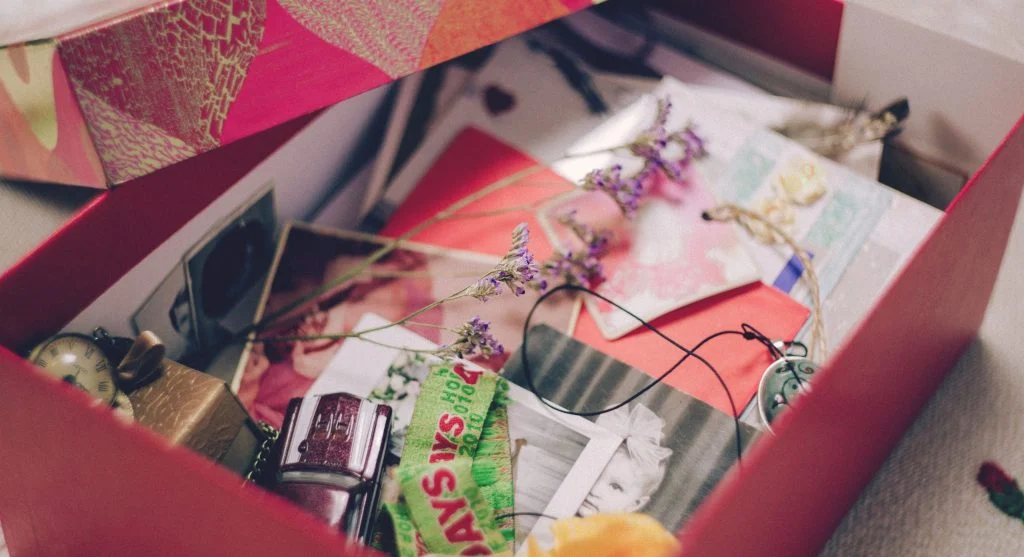
Some families make traditions even more meaningful by inviting children to help carry, unfold, arrange, or put away the special object. This simple responsibility allows children to take an active role in the ritual rather than simply observing it.
Family bonding experts generally note that children often connect more deeply with traditions when they help maintain them. In many homes, even a small responsibility involving the special object strengthens a child’s feeling that the tradition belongs to them as well.
Children Treasure What the Object Represents
As the years pass, the object begins to represent much more than its physical appearance. It comes to symbolize togetherness, comfort, celebration, belonging, and shared family memories. Children may never describe these feelings directly, but the emotional connection grows naturally with every repetition.
Development specialists generally explain that repeated symbols gain emotional importance through experience. In many families, the object becomes valuable not because of what it is, but because of everything it has come to represent.
Why Children Often Value Family Traditions More
Children often value family traditions more when the same object appears only for that ritual because it provides a strong visual and emotional signal that something special is happening. It gives the tradition a recognizable identity and helps children feel that the experience has a meaningful place within family life. Although the object itself may be simple, the memories and emotions connected to it can become incredibly powerful.
In many homes, stronger traditions are not created by making celebrations bigger or more elaborate. Instead, they grow through small, familiar details that children learn to recognize and trust. Over time, one carefully chosen object can transform an ordinary family routine into a cherished lifelong memory.
FAQ
What kind of object works best for a family tradition?
A simple repeatable object often works best, such as a tray, cloth, basket, candleholder, story box, serving bowl, or blanket used only for that one ritual.
Does the object need to be expensive or meaningful already?
No. Most of the meaning usually grows from repetition and emotional association, not from the object’s price or original significance.
Why does using the object only for one ritual matter?
Because exclusivity helps the child build one strong clear association between the object and the family tradition.
Can children help with the object?
Yes. Helping bring it out, place it, or put it away can make the ritual feel even more personal and memorable.
Internal Linking Suggestions
Link this article to posts about simple family rituals, making traditions meaningful for children, building family identity at home, memory-making family activities, and ways to help children feel belonging through routines.
Key Takeaway
Children often value family traditions more when the same special object appears every time because familiar physical cues make shared experiences feel unique, comforting, and memorable. A simple object used consistently can strengthen anticipation, reinforce family identity, and create lasting emotional connections without making traditions more complicated. Over time, that ordinary object becomes a powerful reminder of togetherness, belonging, and the memories a family builds together.