
Why Children Often Stop Asking for Screens So Quickly When a Visible “Next Activity” Is Already Waiting
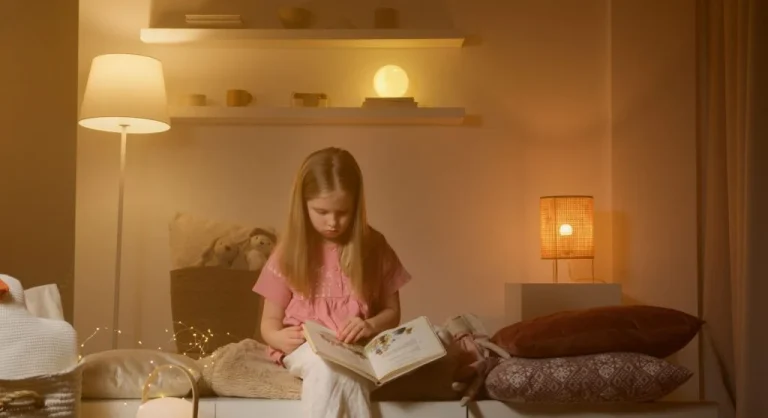
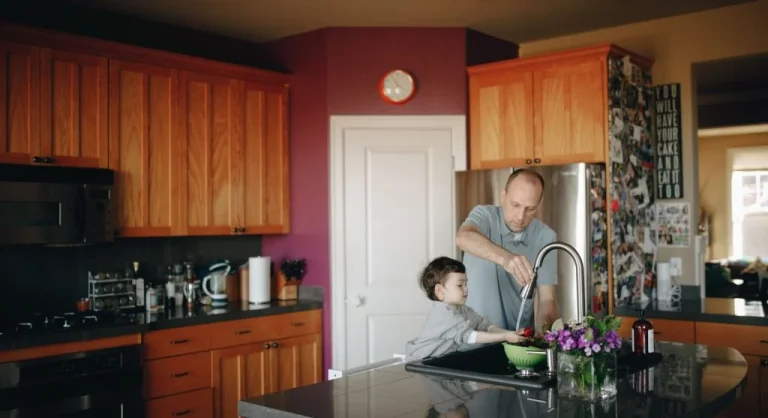
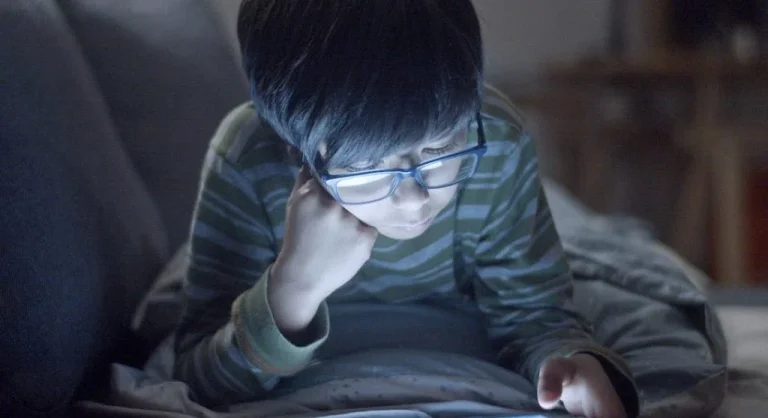
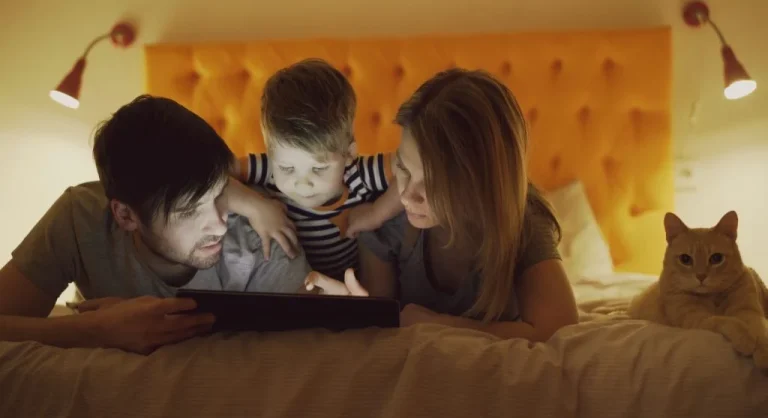
Many parents notice that their children continue asking for screens even after the device has been put away. The requests may come repeatedly, not just because the child wants more entertainment, but because screen time has ended without a clear next step. Family media specialists generally note that children often stop asking for screens more quickly when a visible activity is already waiting for them because their attention has somewhere immediate to shift. In many households, the most difficult part of ending screen time is not enforcing the limit itself it is what comes afterward.
This matters because screens often create intense focus and fast-moving mental engagement. When the device is turned off, children may still feel connected to what they were doing. Development guidance frequently suggests that transitions become smoother when the next activity is not only mentioned but physically prepared in advance. A puzzle already set out, crayons waiting on the table, a snack ready to eat, or shoes placed by the door can all help children move forward with less resistance. Over time, this simple approach can reduce repeated screen requests and make digital routines feel calmer and easier to manage.
Why Children Keep Asking for Screens After Screen Time Ends
Adults sometimes assume that repeated requests for screens are simply a child resisting a boundary. While that can be part of the situation, there is often more happening beneath the surface. The child has just left a highly engaging activity and is suddenly expected to transition into unstructured time. If there is no clear alternative, the mind naturally returns to the most stimulating activity that was just taken away.
Child development specialists generally explain that children often need support moving their attention from one activity to another. In many families, repeated requests for a device are not only about wanting more screen time. They are also a way of asking, “What do I do next?” A visible activity can answer that question before the child feels the need to ask it repeatedly.
A Visible Next Step Often Works Better Than a Verbal One
Parents frequently tell children what to do next: “Go play,” “Find something else,” or “Choose an activity.” While these suggestions are well intentioned, they can feel too open-ended for a child who is still mentally engaged with a screen.
A visible activity often works better because it removes the need to decide what comes next. The answer is already there. Family routine experts generally note that children respond strongly to visual cues. In many homes, a child who resists when told to “go find something to do” transitions much more smoothly when coloring supplies, building blocks, books, or a snack are already waiting in plain sight.

Children Often Transition Better When the Gap Between Activities Is Smaller
One reason screen-time endings become difficult is that too much empty space exists between one activity ending and another beginning. During that gap, frustration can grow. Children have time to negotiate, complain, delay, or mentally return to the screen they just left.
A visible next activity helps close that gap. Development specialists generally explain that many children do best when routines move through connected steps rather than sudden stops. In many households, a prepared activity makes screen time feel less like it ended abruptly and more like it naturally led into something else.
A Waiting Activity Can Reduce the Feeling of Loss
Screen limits often feel most difficult when children focus only on what they are losing. A visible next activity helps soften that feeling because it provides something immediate and concrete to move toward. This does not mean children will enjoy every replacement activity as much as they enjoyed the screen. It simply means the moment no longer feels defined entirely by what was taken away.
Child behavior specialists generally note that children cope with disappointment more effectively when they can clearly see what is replacing the previous activity. In many families, having something ready helps make the transition feel less abrupt and emotionally empty.
The Best Next Activities Are Usually Simple and Easy to Start
Not every activity works equally well after screen time. If the alternative is complicated, requires too much setup, or demands a lot of decision-making, children may continue focusing on the screen because the replacement feels difficult by comparison.
The most successful options are often simple and immediately accessible. A prepared snack, an open bin of blocks, a coloring page already set out, or shoes waiting for outdoor play can all work well. Family media specialists generally note that children transition more successfully when the next activity feels easy to begin without extra effort, planning, or assistance.
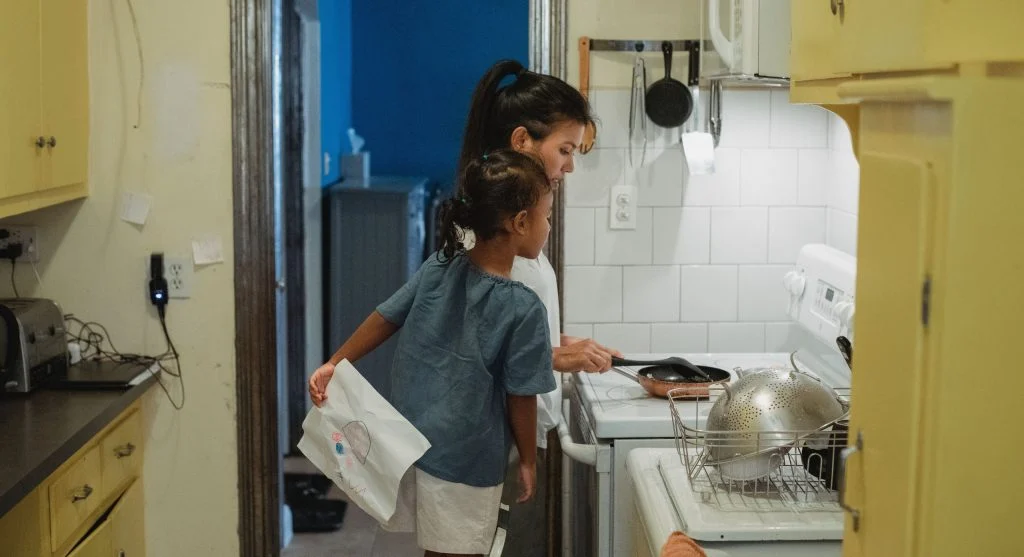
Visible Activities Can Help Attention Shift More Smoothly
After using screens, some children find it difficult to redirect their attention. Their minds may still be engaged with fast-moving content or highly stimulating activities. A visible next activity helps redirect focus toward the physical world.
The child sees the crayons, puzzle pieces, snack, shoes, or books and begins reconnecting with their environment. Development guidance often suggests that children move away from screen-focused thinking more easily when their attention has a concrete place to land. In many homes, the next activity serves as an anchor that helps children reconnect with everyday life.
Parents Often Feel Calmer When the Next Step Is Already Planned
Children are not the only ones who benefit from smoother transitions. Parents often become frustrated when every screen-time ending turns into the same argument or negotiation. Preparing the next activity ahead of time reduces the need to create a plan in the middle of a difficult moment.
Parenting specialists generally note that children respond more positively when adults remain calm and consistent. In many households, having the next activity ready allows parents to guide the transition more confidently and with less frustration.
This Strategy Often Works Best When It Becomes a Routine
A visible next activity becomes even more effective when it follows a predictable pattern. Children often transition more easily when they know what to expect. Screen time ends, the tablet goes away, and a snack is waiting. Or the television turns off and coloring begins. Or the device is put away and outdoor play follows.
Family routine experts generally explain that predictability reduces resistance because the child no longer experiences the transition as something being invented in the moment. In many families, repeated screen requests decrease once children become familiar with what happens after screen time ends.
Visible Next Activities Can Support Healthier Screen Habits Overall
Screen-time challenges are rarely isolated issues. They are often connected to the broader structure of family routines. A visible next activity helps children understand that screens are only one part of the day, not the center of it.
Child development specialists generally note that healthy screen habits develop most successfully within consistent daily routines. In many homes, calmer transitions come not from stricter lectures about screen use but from smoother movement into the next meaningful activity.
Why Children Often Stop Asking for Screens
Children often stop asking for screens more quickly when a visible next activity is already waiting because the transition no longer ends in an empty space. Their attention has somewhere else to go, the emotional gap after screen time becomes smaller, and the next part of the day feels easier to begin. As a result, bargaining, repeated requests, and frustration often decrease for both children and parents.
In many families, healthier digital habits begin not only with clear limits but also with smoother endings. Over time, one simple visible activity can make screen-time transitions feel less abrupt, more organized, and far more peaceful.
FAQ
What kind of next activity works best after screen time?
Simple, low-effort activities often work best, such as coloring, a snack, blocks, one book, or shoes ready for outside time.
Why do children keep asking for screens after they are done?
Often because the screen ended into an empty gap, and the child has no clear next place for attention to go.
Should the next activity be exciting?
Not necessarily. It usually works best if it is easy to start and clearly visible rather than highly stimulating.
Can this help reduce tantrums after screen time?
Yes. It often helps because it shortens the transition gap and gives the child a more concrete path into the next part of the day.
Internal Linking Suggestions
Link this article to posts about ending screen time calmly, healthy device habits for kids, reducing transitions stress, family routines after school, and simple non-screen activities for children.
Key Takeaway
Children often stop asking for screens more quickly when a visible next activity is already waiting because it gives their attention an immediate place to go. A prepared post-screen activity can reduce repeated requests, lower frustration, and make transitions feel more natural. Many families find that smoother digital routines happen when the next step is not only discussed but physically ready and easy to begin. Over time, this simple habit can make screen-time endings calmer and more successful for everyone.