Why Children Often Remember Homework Instructions Better When They Repeat Them While Touching the First Item
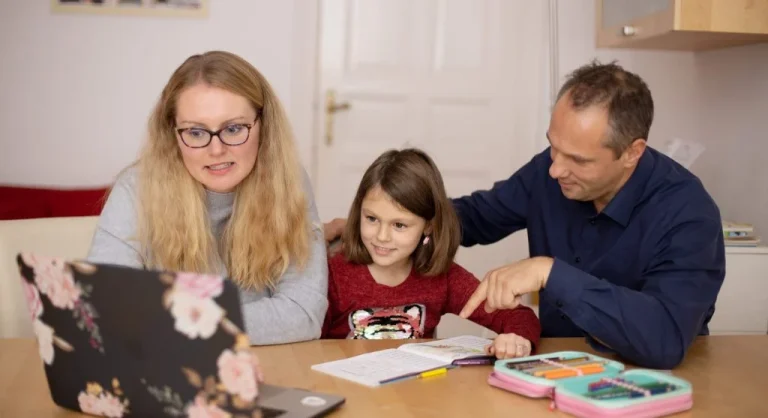
Homework often breaks down in a surprisingly simple place: a child hears the directions, nods, and then seems to forget them almost immediately. A parent may explain the steps clearly, yet the child still opens the wrong notebook, starts the wrong assignment, or asks again what they are supposed to do first.
Education specialists generally note that children often remember homework instructions better when they repeat them while touching the first item they need. This allows the mind and body to connect with the task at the same time. In many homes, the challenge is not that the child failed to hear the directions. The problem is that the instructions remained too verbal and never became firmly connected to the action that needed to happen next.
This matters because homework requires children to remember information, organize materials, follow sequences, and stay focused—often after spending an entire day using mental energy at school. Development experts frequently suggest that children remember directions more successfully when they connect the words to a physical starting point. Touching the first worksheet, reading book, folder, or pencil case while repeating the step aloud can transform an abstract instruction into a practical plan. Over time, this simple habit can improve focus, reduce confusion, and make homework feel more manageable.
Homework Directions Often Fade Before Action Begins
Adults sometimes assume that once a child hears a direction, it is stored and ready to use. For many children, that is not what happens. Between hearing the instruction and beginning the task, they may need to find a seat, unpack a backpack, organize materials, or sort through multiple papers. During that short gap, the original direction can weaken or disappear entirely.
Child development specialists generally explain that working memory is still developing throughout childhood. In many families, children lose track of directions not because they are careless, but because too many small demands compete for attention between hearing the instruction and acting on it.
Repeating the Direction Helps Keep It Active
When children say a direction aloud themselves, they often hold onto it more effectively. Repeating the first step even in their own simplified words gives the instruction another pass through their attention. It is no longer only something the adult said. It becomes something the child is actively processing.
Family learning experts generally note that children remember homework directions more successfully when they restate them in their own voice. In many homes, this simple repetition reduces confusion because the child is no longer relying solely on passive listening.
Touching the First Item Connects the Plan to Action
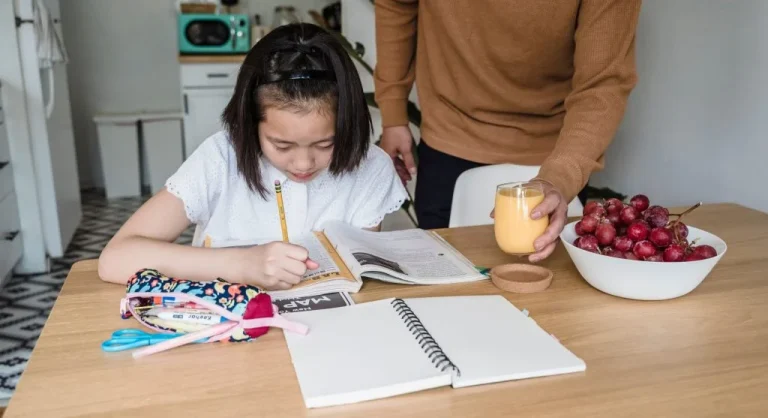
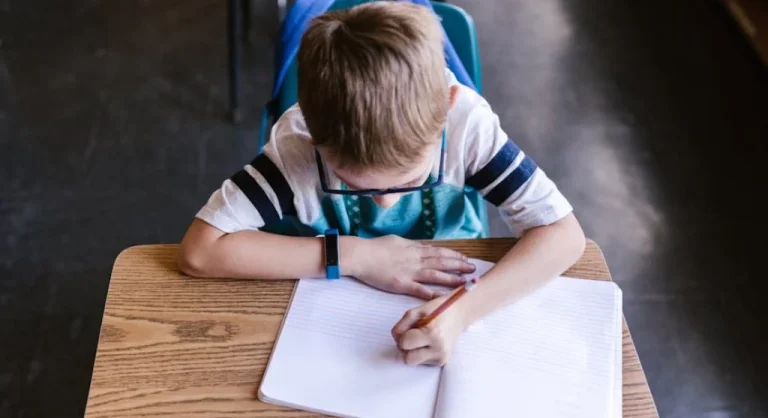
Repeating the instruction is helpful, but touching the first item often adds another important layer. When a child touches the worksheet, reading book, folder, or math page while repeating what comes first, the instruction gains a physical anchor. Instead of remaining a general idea, it becomes connected to a specific object.
Development specialists generally explain that children often learn more effectively when thinking is paired with movement. In many homes, touching the first item helps bridge the gap between remembering and beginning. The child is already interacting with the exact material that requires attention.
Children Often Struggle When Everything Looks Equally Important
Homework materials can easily create confusion. A notebook, worksheet, reading folder, assignment sheet, and loose papers may all be sitting in front of the child at the same time. Adults often know exactly where to begin, but children may see a collection of equally important options.
This can lead to hesitation, uncertainty, or starting in the wrong place. Education specialists generally note that children work more confidently when the first step is clearly identified. In many families, touching the first item while repeating the instruction creates that clarity by removing unnecessary choices.
Verbal and Physical Cues Often Work Better Together
A spoken instruction by itself can be forgotten. A physical object by itself may not explain what needs to happen. When children repeat the direction while touching the first item, both forms of information work together. The words explain the task, while the physical contact identifies exactly where to begin.
Child development experts generally explain that routines become easier to follow when multiple simple cues support each other. In many homes, homework improves because the instruction is not only heard—it is spoken, seen, and physically connected to the task.
This Habit Can Reduce Repeated Questions
Many parents become familiar with the cycle of hearing:
- “What am I supposed to do?”
- “Which paper?”
- “What comes first again?”
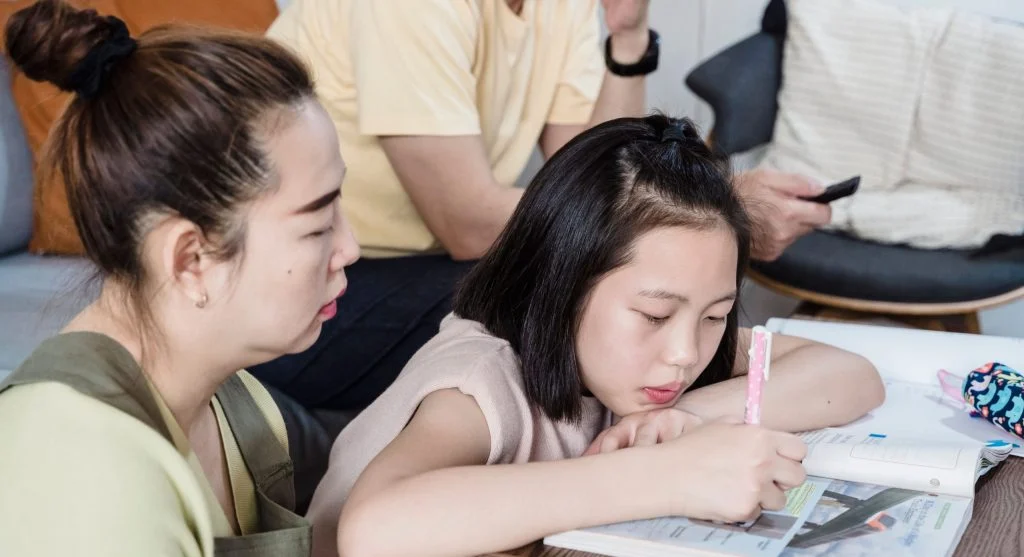
Even after giving the answer several times. A repeat-and-touch habit often helps reduce these repeated questions because the first step becomes easier to remember.
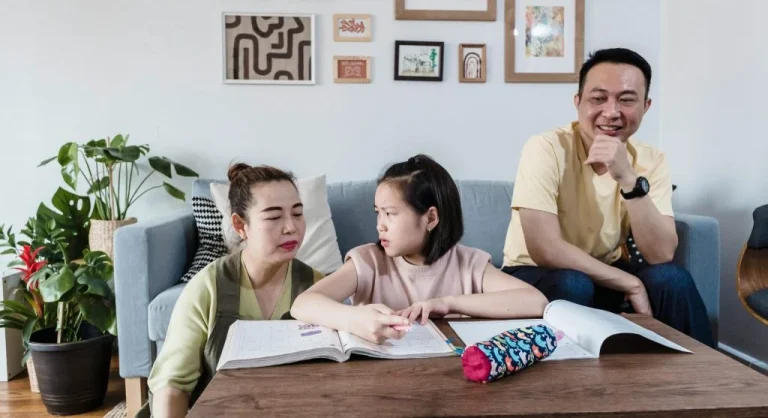
Parenting specialists generally note that children ask fewer homework-related questions when the beginning of the task is clearly anchored. In many families, this creates less frustration because the child starts more independently and the parent no longer needs to repeat the same instructions multiple times.
A Clear Start Often Builds Confidence
Homework confidence depends on more than academic ability. Children are more likely to feel capable when they know exactly how to begin. If the opening step feels confusing, they may quickly assume the entire assignment is difficult.
When the first item is identified clearly and the first instruction is repeated aloud, the task often feels more manageable immediately. Family learning experts generally explain that early success helps maintain engagement. In many homes, this simple strategy works because it gives children an immediate sense of direction before the more demanding parts of the assignment begin.
This Works Well for Multi-Step Homework Tasks
Not every homework assignment involves a single worksheet.
Children may need to:
- Unpack materials
- Complete reading first
- Move to math
- Return papers to a folder
- Pack materials away afterward
Even with longer routines, the same principle applies. Development specialists generally note that children handle complex sequences more successfully when the opening step is especially clear. In many homes, once the first action is established, the remaining steps become easier to follow because the routine has already begun.
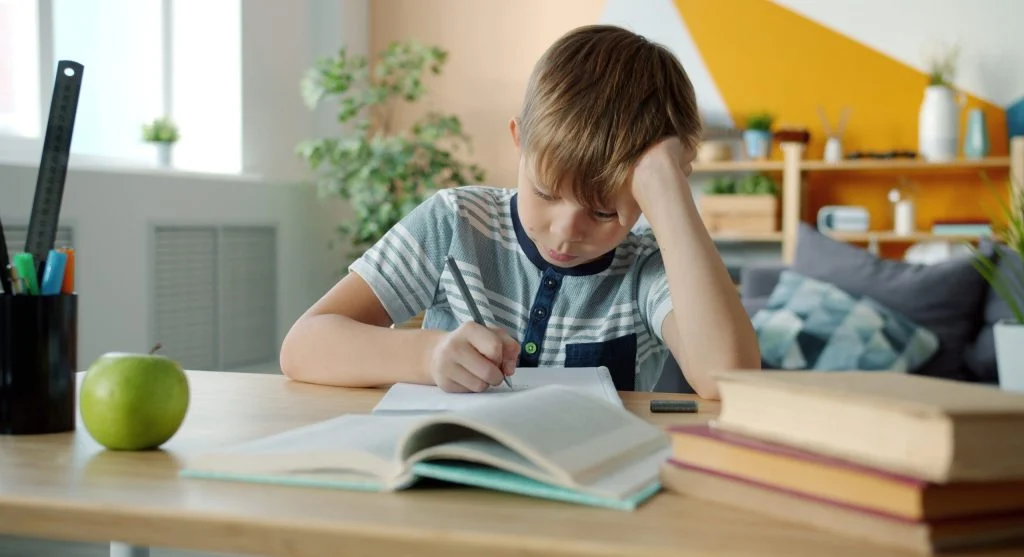
Parents Often Give Better Directions When They Focus on the First Step
This strategy can benefit adults as well. Parents sometimes explain every part of the assignment at once, hoping to save time. Children then hear multiple instructions before completing even the first one.
When adults focus on the opening step and ask the child to repeat it while touching the relevant material, directions often become shorter, clearer, and easier to follow.
Education specialists generally note that children respond better when adults emphasize the next action rather than the entire sequence. In many homes, homework becomes less stressful when the focus shifts from broad explanations to a strong starting point.
This Can Gradually Encourage Independence
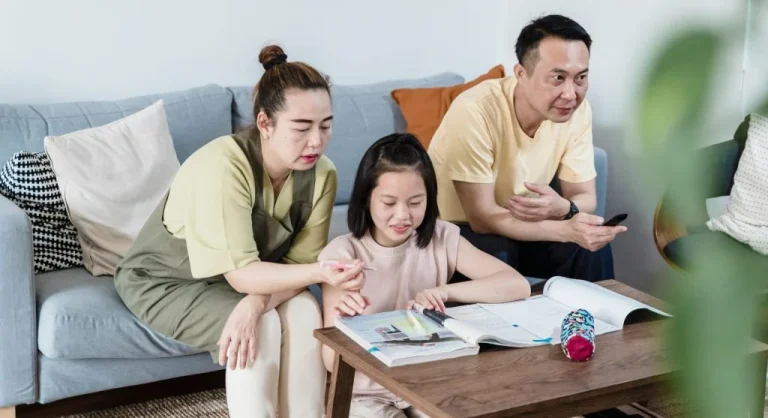
At first, children may need reminders to use this strategy. Over time, however, many begin doing it naturally. They may place a finger on the reading folder while quietly repeating the assignment or touch the math page before beginning. What starts as guided support can gradually become a personal study habit.
Child development specialists generally explain that independence often grows from repeated practice with support. In many families, the repeat-and-touch routine becomes more than a homework strategy—it becomes part of how children learn to organize and manage their own work.
Why Children Often Remember Homework Instructions Better
Children often remember homework instructions more effectively when they repeat them while touching the first item because the instruction becomes both verbal and physical at the same time. Instead of simply hearing what to do, they connect the direction directly to the material that requires action. This combination often strengthens memory, reduces confusion, and makes it easier to begin correctly.
In many families, better homework routines do not come from longer explanations. They come from clearer beginnings. Over time, this simple habit can help children ask fewer repeated questions, work more independently, and approach homework with greater confidence.
FAQ
What does it mean to touch the first item during homework?
It means the child physically touches the first worksheet, folder, book, or material while repeating what needs to be done first.
Why does this help children remember directions?
Because it combines spoken repetition with physical action, which often makes the first step easier to hold in memory and begin correctly.
Can this help with multi-step homework routines?
Yes. It is especially useful because a clear first move often makes the rest of the sequence easier to follow.
Is this only helpful for younger children?
No. Older children can also benefit, especially if they often lose track of directions during unpacking, organizing, or starting work.
Internal Linking Suggestions
Link this article to posts about homework routines, building independent study habits, reducing repeated homework questions, school readiness skills, and simple home learning supports for children.
Key Takeaway
Children often remember homework instructions better when they repeat them while touching the first item because the instruction becomes connected to both language and action. This simple strategy helps transform abstract directions into a clear starting point, reducing confusion and making homework easier to begin. Families often find that smoother homework sessions start with a stronger first step. Over time, this habit can support better focus, stronger independence, and greater confidence with schoolwork.