Why Children Often Resist Phone Interruptions Less When Adults Name the End of Their Turn Before Taking the Device Back
Shared phone use often creates a unique kind of family conflict. A child gets a brief turn to watch a video, tap through an app, search for something, or look at photos, and then the adult suddenly needs the phone back. What seemed like a simple handoff can quickly become stressful.
Family media specialists generally note that children often resist phone interruptions less when adults clearly signal the end of the turn before taking the device back. This helps the child experience a defined ending rather than an abrupt removal. In many homes, the challenge is not only losing access to the phone. It is losing a turn without enough warning that the turn itself is about to end.
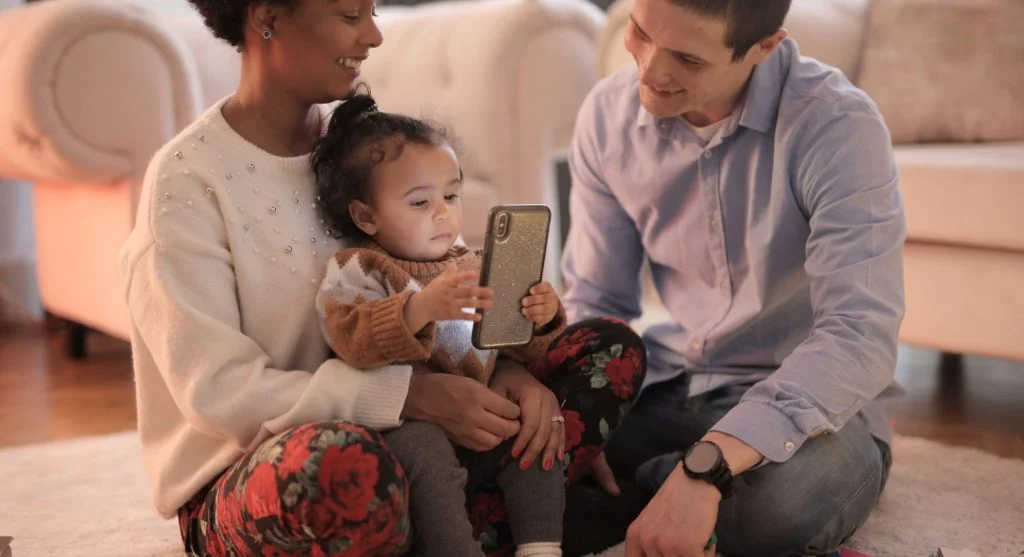
This matters because shared phone use often happens in short, informal moments rather than through a structured screen-time routine. A child may borrow a phone while waiting in line, sitting in a car, attending a sibling’s activity, or while a parent finishes a task. Because these moments feel temporary and unplanned, adults sometimes take the phone back the instant they need it. Child development experts frequently suggest that children manage these transitions more successfully when adults verbally mark the end of the turn before reaching for the device. Over time, this simple habit can make shared phone use feel clearer, calmer, and less emotionally abrupt.
Shared Phone Use Often Feels Different From Other Screen Activities
Children usually experience televisions and tablets within a predictable structure. There may be designated viewing times, specific limits, or established routines. Phones often work differently. A child may receive access unexpectedly and lose access just as suddenly. Because the boundaries are less obvious, the interruption can feel much sharper.
Child development specialists generally explain that children handle limits more effectively when the beginning and end of an activity are clearly defined. In many families, shared phone use creates more conflict because the rules feel less visible and the transition arrives without much preparation.
Children Often React to Losing the Turn, Not Just the Device
Adults sometimes assume that children become upset simply because a screen is being removed. Often, the reaction is more social than technological. The child had a turn. That turn felt real and meaningful. When the phone is taken back without warning, the child may experience the moment as an interruption rather than a completed exchange.
Family relationship experts generally note that children are highly sensitive to whether an interaction feels finished or abruptly cut short. In many homes, resistance decreases when adults acknowledge that the turn itself is ending rather than focusing only on removing the phone.

Naming the End Creates a Clear Boundary
A simple statement such as:
- “Your turn is finishing now.”
- “One last look, then I need my phone back.”
- “A few more seconds, then we’re done.”
does more than provide a warning.
It creates a clear emotional boundary. The child hears that the turn has reached its natural conclusion. Instead of the phone disappearing without explanation, the ending becomes something understandable and predictable. Development specialists generally explain that children often need language to make sense of social transitions. In many families, naming the end helps because the timing is no longer hidden inside the adult’s decision. It becomes visible and shared.
Sudden Physical Removal Often Triggers Stronger Reactions
Many struggles begin the moment an adult reaches for the phone. The child may pull away, tighten their grip, or protest immediately. This reaction often happens before they have had time to mentally adjust.
When a verbal cue comes first, the sequence changes. The child’s mind receives information before the physical handoff begins. Child behavior specialists generally note that transitions are smoother when physical removal is not the first signal that an activity is ending. In many homes, resistance decreases because the child is no longer surprised by the change.
Children Often Respond Better When Adults Guide the Transition
There is a subtle but important difference between taking a phone back and guiding a child through the end of a turn. When adults announce the ending beforehand, they often sound more like partners in the transition and less like enforcers stopping the activity. The limit remains exactly the same, but the emotional experience changes.
Family communication specialists generally note that children cooperate more readily when transitions feel shared rather than imposed. In many homes, the handoff becomes less stressful because the child feels guided through the ending instead of suddenly confronted with it.

This Works Especially Well During Everyday Shared Phone Moments
Most shared phone use happens during small, ordinary parts of the day.
Examples include:
- Waiting rooms
- Grocery lines
- Car rides
- Sibling activities
- Household chores
- Short periods of waiting
Because these moments feel casual, adults may overlook the need for a transition. Family media experts generally note that brief digital moments can create surprisingly intense conflicts when they lack structure. In many homes, a simple ending phrase helps smooth these small transitions without requiring lengthy discussions.
Consistent Endings Often Create Better Cooperation
Children tend to respond well to predictable patterns. If a parent sometimes grabs the phone without warning, sometimes negotiates for several minutes, and sometimes gives multiple changing reminders, the ending can feel uncertain. A repeated phrase creates familiarity.
Examples include:
- “Your turn is done now.”
- “Last touch, then back to me.”
- “One more look, then we’re finished.”
Development specialists generally suggest that repeated transition language becomes more effective over time because children begin recognizing the pattern before the device is even returned. In many families, consistency makes the handoff easier because the ending feels expected rather than surprising.
Parents Often Stay Calmer Too
This approach benefits adults as well. When a parent reaches for the phone before setting a boundary, the child’s immediate protest can trigger frustration and lead to a tense exchange.
A verbal ending creates a clear sequence:
- Announce the ending.
- Allow a brief moment for adjustment.
- Take the phone back.
Parenting specialists generally note that adults remain calmer when transitions follow a predictable process. In many homes, this small change reduces tension because parents no longer feel forced to negotiate in the middle of the handoff.

This Teaches More Than Device Rules
One valuable aspect of this approach is that it supports broader social development.
Children learn that turns have:
- A beginning
- A middle
- An ending
They practice hearing that a turn is finishing, adjusting to that information, and returning something appropriately. Child development experts generally explain that everyday family routines often become opportunities for learning important social skills. In many homes, shared phone use becomes a regular chance to practice cooperation, flexibility, and turn-taking.
Why Children Often Resist Phone Interruptions Less
Children often resist phone interruptions less when adults name the end of the turn before taking the device back because the transition feels clearer, more predictable, and less abrupt. The child hears that the turn is ending before the physical handoff begins. This reduces the feeling of sudden interruption and allows them to prepare emotionally for the change.
In many families, smoother phone sharing does not come from stricter rules alone. It comes from creating better endings. Over time, a simple habit of announcing the end of a turn before reaching for the device can reduce conflict, strengthen cooperation, and make everyday digital interactions easier for everyone.
FAQ
Why is shared phone use harder than other screen time?
Because it often happens in short unpredictable bursts, and children may not know clearly when the turn began or when it is supposed to end.
What should parents say before taking the phone back?
A short clear phrase often works well, such as “Your turn is ending now,” or “One last touch, then I need my phone back.”
Does this mean the child will never protest?
No. Some disappointment may still happen, but many children handle the transition better when the ending is named before the device is removed.
Can this work for tablets too?
Yes, but it is especially useful for shared phone moments because those tend to have less built-in structure than other screen activities.
Internal Linking Suggestions
Link this article to posts about healthy device habits, screen-time transitions for kids, calm family communication, shared screen rules, and reducing conflict around short digital moments at home.
Key Takeaway
Children often resist phone interruptions less when adults clearly name the end of their turn before taking the device back. A simple verbal cue creates a smoother transition by helping children understand that the activity is ending before the physical handoff occurs. Families often improve shared phone experiences not only through rules, but through thoughtful transitions. Over time, this small habit can make everyday device sharing calmer, clearer, and easier for both children and adults.