Why Children Often Handle the End of Game Play Better When Adults Mention the Last Mission Instead of the Last Minute
Ending game time can be one of the hardest transitions in a child’s day because most games are designed around progress, goals, and completing challenges. A child may be halfway through a level, race, mission, puzzle, or building project when a parent announces that only one minute remains. Family media specialists generally note that children often handle the end of game time more successfully when parents refer to the final mission rather than the final minute. A goal-based ending often feels more meaningful than a time-based interruption because it matches the way children experience the game. In many homes, the frustration is not simply about turning off the screen. It comes from feeling interrupted before something important feels finished.
This matters because games naturally organize attention around tasks instead of clocks. Children are often focused on reaching the next checkpoint, completing a race, solving a puzzle, or finishing a level. A warning such as “one more minute” may not connect with that experience at all. Development experts often explain that when parents tie the ending to one final game objective instead of only to elapsed time, the transition becomes easier to understand and feels more fair. Over time, this simple adjustment can reduce arguments, lower frustration, and help children move away from games with less resistance.
Game Time Often Feels Incomplete When It Ends Because of the Clock Alone
Adults naturally think in terms of schedules. They know dinner is almost ready, bedtime is approaching, or it’s time to leave the house. Children who are deeply engaged in a game are usually thinking very differently. Their attention is focused on completing the next task inside the game rather than watching the clock.
Child development specialists generally explain that transitions tend to go more smoothly when the ending matches the structure of the activity. In many families, a warning such as “five more minutes” feels perfectly reasonable to adults but disconnected from what children are actually trying to accomplish.
A Final Mission Gives Children a Clear Finish Line
One reason this approach works well is that it provides a concrete ending children can easily picture. Instead of hearing an abstract countdown, they know exactly what they are expected to finish. One final race, one last puzzle, one more level, or one final checkpoint creates a visible finish line that feels easier to accept.
Family routine experts generally note that children often cooperate more willingly when the final step is easy to understand. In many homes, phrases such as “Finish this last level,” or “This is your final round,” reduce conflict because children can clearly see where the activity ends.
Children Often Feel Better When Their Progress Is Respected
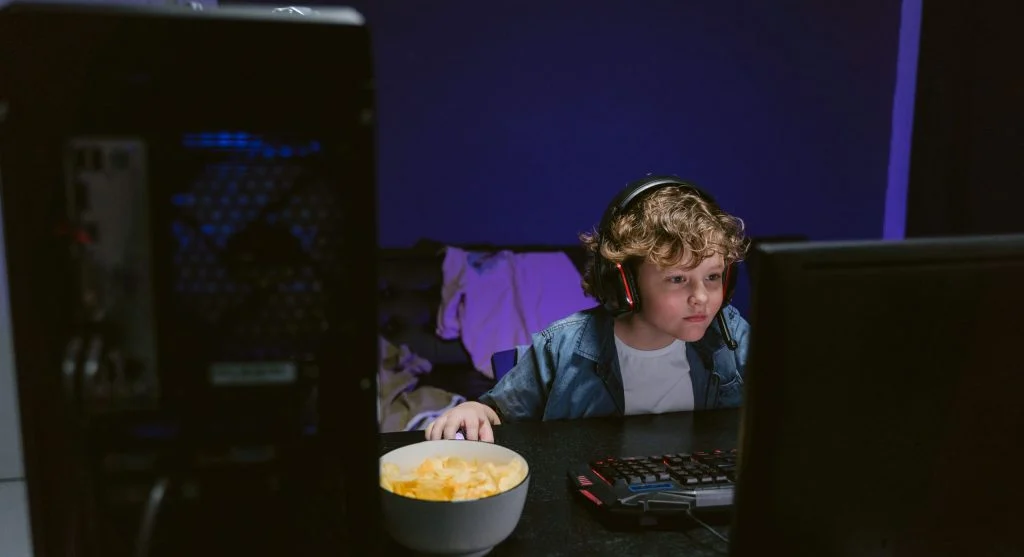
Games are intentionally designed to make progress feel rewarding. Children may care deeply about reaching a checkpoint, unlocking a new achievement, or completing a challenge they have already started. When game time ends before they can finish that effort, it may feel as though their work has been interrupted instead of completed.
Development specialists generally explain that children often accept limits more calmly when adults recognize the importance of finishing a meaningful task. In many homes, allowing one final mission does not weaken the boundary. Instead, it respects the structure of the game while still bringing play to a clear conclusion.
Time Warnings Can Feel Too Abstract During Focused Play
Children often become deeply absorbed while playing games. Their attention narrows around immediate goals, quick decisions, and constant feedback. During that level of concentration, a warning such as “two more minutes” may not register in a meaningful way. When the game suddenly ends, children may feel surprised because the warning never fully connected to what they were experiencing.
Child behavior specialists generally explain that transition cues work best when they match the child’s current focus. In many families, game endings become smoother when parents use language that fits the activity itself instead of relying only on clock time.
A Goal-Based Ending Feels More Complete Emotionally
Ending an activity successfully is about more than simply stopping. It is also about how the experience concludes. A final mission gives children a sense of completion by creating a natural ending: finish the task, complete the objective, and then put the game away. That emotional closure often feels much smoother than stopping in the middle of unfinished action.
Family communication specialists generally note that children respond well when endings feel organized and complete. In many homes, one final task provides a satisfying conclusion instead of an abrupt interruption.
Clear Endpoints Often Reduce Negotiation
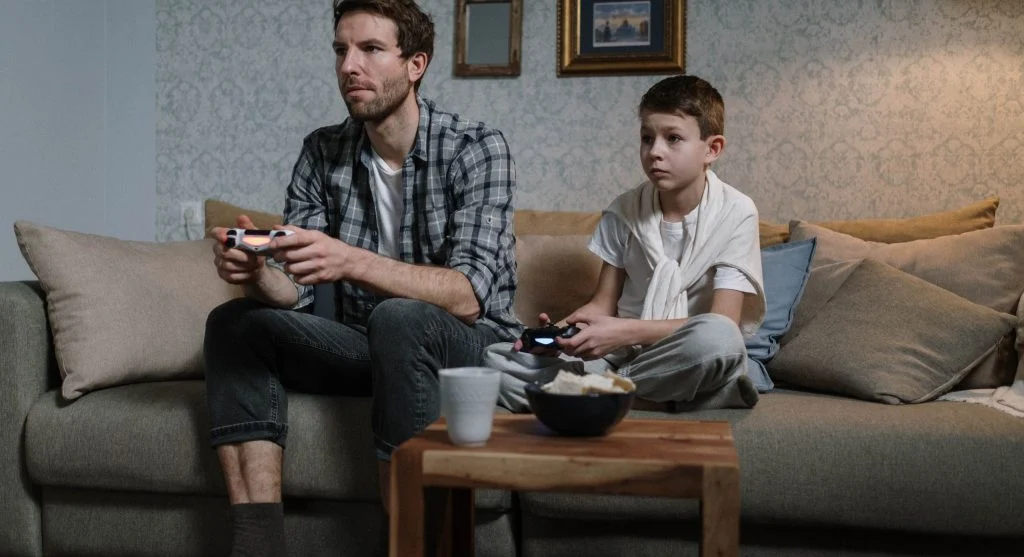
Many screen-time arguments begin because children ask for “just one more minute” after time has already expired. Often, they are not asking for endless play—they simply want to finish what they started. Defining the ending around one final mission gives everyone a shared understanding of what the last piece of game time looks like.
Parenting specialists generally explain that children bargain less when the endpoint feels specific rather than vague. In many families, “After this last round, we’re finished,” is easier for children to accept than a countdown that ends in the middle of play.
Parents Often Feel More Confident Too
This strategy can also make things easier for adults. Parents who rely only on time warnings often find themselves debating whether their child had enough time to finish. That uncertainty can lead to inconsistency and frustration. A task-based ending provides a clearer rule that feels easier to enforce.
Family media specialists generally note that calmer adult guidance often encourages calmer child responses. In many homes, parents feel more confident ending game time when the stopping point resembles a finish line instead of a sudden interruption.
Different Games Need Different Stopping Points
Not every game ends in the same way. Some naturally stop after a race, round, or level, while others work better with a checkpoint, save point, or completed building project. The important principle is not using the exact phrase “last mission.” It is matching the ending to the way the game itself measures progress.
Development experts generally explain that routines become more effective when adults adapt their guidance without changing the overall boundary. In many homes, learning how a child’s favorite game naturally ends creates much smoother transitions.

Clear Limits Still Matter
Allowing one final mission does not mean extending game time indefinitely. Children still benefit from predictable limits about when screen time ends and what happens next. The strength of this strategy lies in shaping the ending so it feels more complete rather than more flexible.
Child development specialists generally note that children do best when adults combine firm expectations with understandable transitions. In many families, game time improves because children hear both parts of the message: this is the last task, and after that we are finished.
Why Children Often Handle the End of Game Time Better
Children often handle the end of game play better when parents mention the last mission instead of the last minute because games naturally revolve around goals, progress, and completion rather than clock time. A task-based ending helps children recognize the finish line, feel that their effort was respected, and leave the activity with a stronger sense of completion. That often reduces frustration and makes the transition away from screens much smoother.
In many families, calmer screen-time routines come not from stricter countdowns but from smarter endings. Over time, matching the stopping point to the structure of the game can reduce conflict, improve cooperation, and make the end of game time feel much more manageable for both children and parents.
FAQ
Why is “one more minute” often not enough for games?
Because many games are organized around rounds, levels, or goals, and children may not experience clock time as meaningfully as they experience finishing the current task.
Does this mean parents should always let children finish a full level?
Not necessarily. The key is to find a clear final stopping point that matches the game structure while still keeping the family’s time limit in place.
Can this reduce tantrums at the end of game time?
Often yes. Many children react less strongly when the ending feels complete instead of abrupt and unfinished.
Will this work for all screen games?
It can help with many games, but parents may need to adjust the final stopping point depending on whether the game uses rounds, checkpoints, levels, or other progress markers.
Internal Linking Suggestions
Link this article to posts about ending screen time calmly, healthy gaming habits for children, device transition routines, family media boundaries, and helping children move from play into daily routines.
Key Takeaway
Children often handle the end of game time more calmly when parents refer to the last mission instead of the last minute because goal-based endings fit the way games naturally work. A clear final objective gives children a visible finish line, respects their progress, and creates a smoother emotional transition away from the activity. Families often experience fewer arguments when they focus on meaningful endings rather than relying only on countdowns. Over time, this simple shift can make screen-time transitions easier for everyone.