Why Children Often Use Screens More Calmly When the Viewing Spot Stays the Same
Screen time often becomes harder to manage when devices follow children from place to place. A tablet might begin on the couch, move into the bedroom, show up at the kitchen table, and then appear again in the car or hallway. Family media specialists often point out that children tend to use screens more calmly when the viewing spot stays consistent. One steady location can make device use feel more structured, with clearer beginnings and endings. In many homes, the issue is not only how much screen time children get. It is also how loosely screens become woven into everyday family life.
This matters because children usually respond better to boundaries when the environment supports them. When screens can appear anywhere, device use can start to feel constant, harder to stop, and emotionally connected to every part of the day. Development guidance often suggests that children manage digital routines more steadily when screens belong to one familiar place. Over time, a consistent viewing spot can lower conflict, make transitions easier, and help children understand that screen time is one family activity, not something that follows them into every moment.
One Viewing Spot Often Makes Screen Time Feel More Predictable
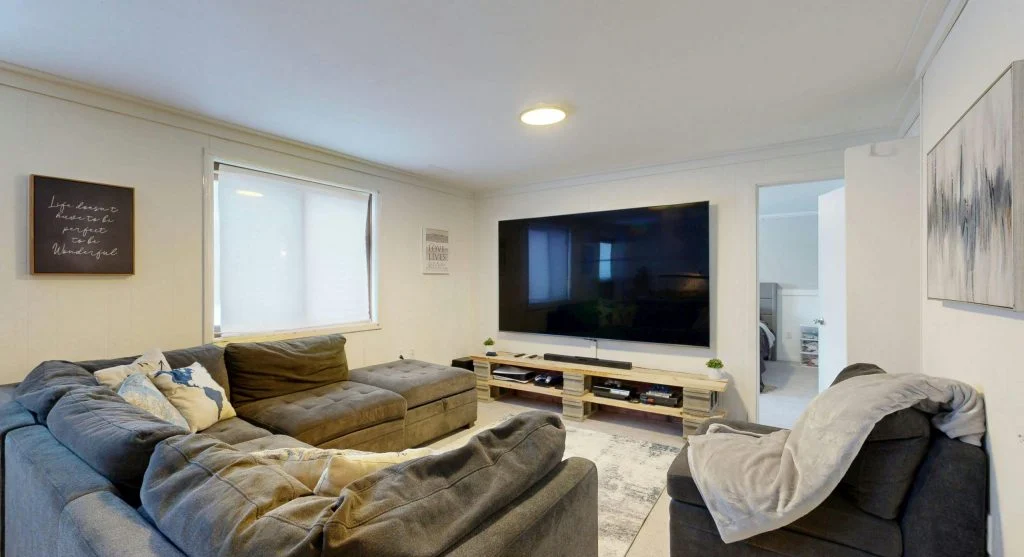
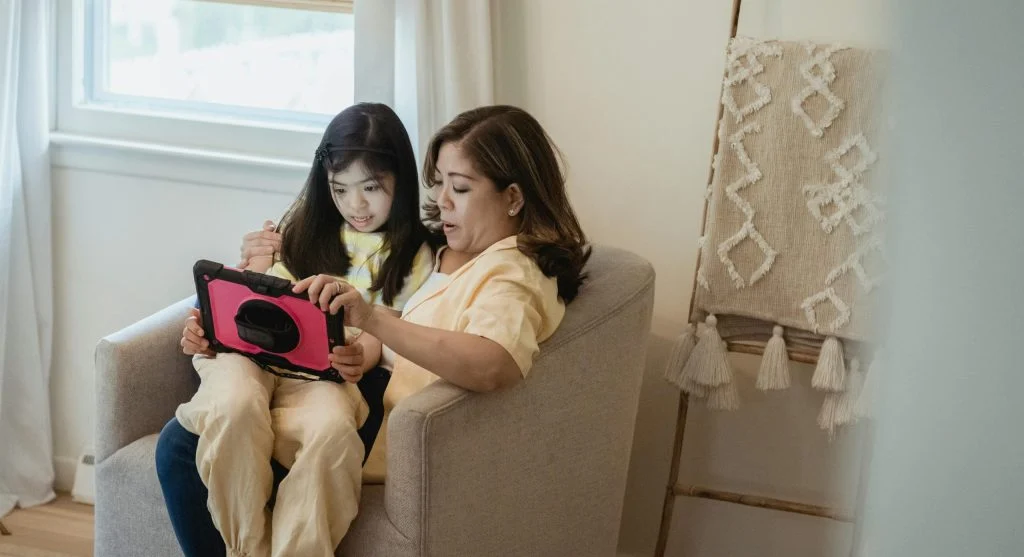
Children generally do better when digital routines have a visible shape. A shared viewing area, a reading chair, a family desk, or one specific spot on the couch can make screen time easier to understand because the activity now has a clear location attached to it. Instead of feeling like screens can happen anywhere at any time, the child starts connecting screen use with a certain setting and a more familiar pattern.
Family media experts generally note that predictability can reduce emotional confusion. A child may still want more device time, but the routine often feels clearer when the screen belongs in one place. In many homes, this makes screen time easier to manage because the location itself becomes part of the family rule.
Children Often Transition More Smoothly When Screen Use Has Physical Boundaries
Ending screen time is often most difficult when the device has blended into several parts of the home. If a child is curled up in bed with a screen, carrying it from room to room, or using it while moving through other routines, the activity can feel harder to separate from everything else. A fixed viewing spot helps because screen time begins and ends in a clearly defined area.
Child development specialists generally note that physical boundaries support emotional boundaries. When the child gets up from the screen spot, the activity itself feels more complete. In many families, this can make transitions less sticky because the child is not only being told that screen time is over. The child is also physically leaving the place where screen time usually happens.

Consistent Screen Locations Often Reduce Random Asking
When devices are used in many places, children may start asking for them in many places too. The request can come up at the table, during play, before bed, in the hallway, or during short quiet moments because the screen no longer feels tied to one part of the day or one part of the home. A fixed viewing spot often reduces this spillover because screen use becomes connected to one setting instead of every setting.
Family routine experts generally note that children often ask less when the environment helps explain the boundary. In many homes, a child may still ask for a device, but the request often feels less intense when the family has one clear place where that activity usually belongs. The child is no longer expecting the screen to fit naturally into every part of daily life.
Children Often Stay More Connected to Family Life in Shared Screen Spaces
One reason consistent viewing spots help is that they often keep screen use within the shared rhythm of the home. A child using a device in a family area usually stays more connected to household life than a child using a device alone in different locations. Adults can more easily see when the session begins, how absorbed the child has become, and when it is time to move on.
Development specialists generally note that children often benefit when screens remain visible enough to stay part of the family routine instead of disappearing into isolated spaces. In many homes, this helps device use feel calmer because it remains connected to ordinary household structure and adult support.
One Viewing Spot Can Help Children Distinguish Screen Time From Rest Time
Screens often become harder to manage when they mix with spaces meant for sleep, quiet recovery, or other routines. If a child uses screens in bed, at the dining table, in homework spaces, and in play areas, the purpose of those spaces can become blurred. A consistent screen location helps keep digital use more separate from the rest of family life. That separation can make daily routines easier to protect.
Family media specialists generally note that children often respond better when the home environment gives different activities their own places. In many families, one viewing spot helps children understand that resting, eating, learning, playing, and using screens are connected parts of the day, but they are not the same thing. That clarity often supports better overall balance.