Why Children Often Adapt Better to Change When They Hear What Will Stay the Same
Children often react strongly to change, even when the change seems small to adults. A new classroom, a different bedtime, another babysitter, a family move, a changed schedule, or even a different pickup routine can create tension quickly. Child development specialists generally note that children often adapt better to change when they hear what will stay the same because stability is easier to hold onto than uncertainty. In many homes, the hardest part of change is not only what is new. It is the worry that everything familiar might disappear along with it.
This matters because adults usually explain change by focusing on the new part. They describe the new school, the new plan, the new room, or the new routine. Children often need something different first. They need anchors. Development guidance often suggests that children handle change more steadily when adults name the parts of life that will remain familiar. Over time, this kind of communication can lower stress, build trust, and help children move through transitions with more confidence.
Change Often Feels Bigger to Children Than It Looks From the Outside
Adults tend to measure change by practical size. They think about whether the shift is major or minor, permanent or temporary, manageable or inconvenient. Children usually experience change more emotionally. A small change to an adult may feel large to a child if it affects comfort, routine, relationships, or predictability. The child may not yet have enough life experience to know whether the change is truly safe.
Development specialists generally explain that children often react more to the feeling of uncertainty than to the event itself. In many families, this is why a child may seem upset by something adults consider minor. The child is not being unreasonable. The child is responding to the loss of familiar structure.
Children Usually Search for Stability First
When change appears, many children quietly start looking for what still feels dependable. They may ask repeated questions that sound small but reveal a bigger need: Who will take me? Will my blanket still come? Is my teacher the same? Can I still sit there? These questions are often less about the exact detail and more about whether life still has a recognizable shape.
Child development experts generally note that children adapt better when adults understand this search for stability. In many homes, the child calms sooner once adults stop talking only about what will be different and start naming what will remain the same. That shift helps the child feel that change is entering life, not replacing life completely.

What Stays the Same Often Becomes an Emotional Anchor
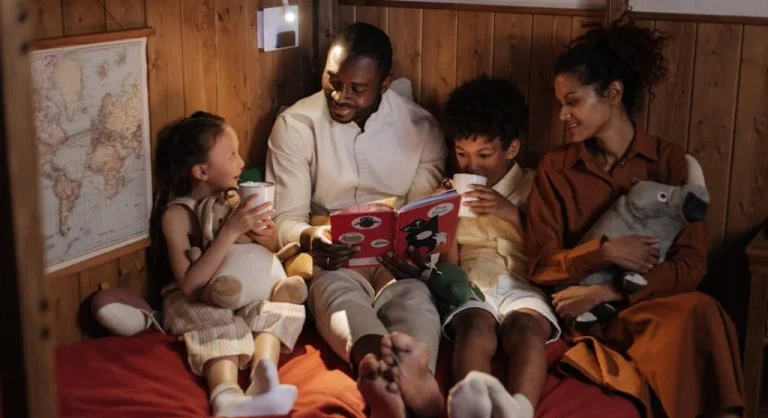
Children usually manage transitions more smoothly when they can hold onto one or two familiar points. It may be the same bedtime story, the same lunchbox, the same morning song, the same parent doing drop-off, or the same stuffed animal coming along. These repeating elements can act like emotional anchors. They do not remove the change, but they make the change feel less total.
Family relationship specialists generally note that children are often more flexible when they know where to place their trust. In many families, naming the stable parts of the routine gives children something solid to return to mentally while other parts feel uncertain.
Predictability Often Matters More Than Reassurance Alone
Adults often try to comfort children by saying everything will be fine. Warmth matters, but broad reassurance may not help enough if the child still cannot picture what life will feel like. Predictability often works better than vague comfort. Telling a child, “You will still have breakfast with me before school,” or “Your same blue blanket will be on your bed,” gives the mind something concrete to rely on.
Development guidance often suggests that children regulate more easily when adults offer specifics instead of only encouragement. In many homes, this is why children adapt better to change when they hear what will stay the same. The child no longer has to imagine the whole future as uncertain.
Children Often Build Courage Through Familiar Patterns
Many adults think courage means facing something completely new with no support. Children usually build courage differently. They often become brave by carrying familiar patterns into unfamiliar situations. A known routine, phrase, object, or relationship can make a new experience feel safe enough to enter. The child is not avoiding change. The child is using familiarity to move through it.
Child development specialists generally explain that emotional bravery often grows from secure bases. In many homes, children take bigger developmental steps when the family protects a few familiar parts of life instead of changing everything at once.
Adults Often Focus Too Much on Explaining the New Part
Parents naturally try to prepare children by explaining the change itself. They describe what the new teacher is like, what the new house looks like, or what the new schedule will involve. This information can help, but too much focus on the unfamiliar can accidentally make the change feel even larger. The child may hear only how much is shifting without hearing how much is still secure.
Family communication experts generally note that balance matters. In many homes, children benefit most when adults explain both sides clearly: what is changing and what is staying steady. This creates a fuller picture that feels less overwhelming and more manageable.
Consistency in Small Things Can Lower Stress During Big Transitions
Sometimes the strongest support comes from very small repeated details. The same goodbye phrase, the same water bottle, the same bedtime order, or the same seat in the car can matter more than adults expect. During transitions, small familiar experiences can carry surprising emotional weight because they reassure children that life has not been completely turned upside down.
Development specialists generally note that children often respond strongly to small consistencies during uncertain times. In many families, these details help because they keep parts of daily life recognizable while the larger transition is still unfolding.
Children Often Adapt Over Time, Not in One Clean Moment
Parents sometimes hope that once they explain a change well, the child will immediately accept it. More often, adaptation happens in stages. A child may ask the same questions several times, seem calm one day and more fragile the next, or need reminders about what remains familiar. This does not mean the adult explained poorly. It usually means the child is working through the transition gradually.
Child development specialists generally explain that children often revisit uncertainty before settling fully. In many homes, repeated reminders about what stays the same help because they offer steadiness again and again while the child’s confidence catches up.
This Approach Supports Trust as Well as Flexibility
When adults consistently name the stable parts of life during change, children often learn something important about relationships too. They learn that adults notice what change feels like, not only what it requires. They learn that guidance can be practical and emotionally aware at the same time. This strengthens trust, which can make future transitions easier to manage.
Family relationship experts generally note that children often become more flexible when they trust that adults will help them find steadiness during change. In many homes, this trust becomes one of the strongest long-term supports for emotional growth.
Why Children Often Adapt Better to Change
Children often adapt better to change when they hear what will stay the same because familiar anchors reduce the fear that everything is shifting at once. A child who knows what remains steady can usually approach the new part with more courage and less emotional overload. Stability makes change feel narrower, and narrower change often feels safer.
In many families, better adjustment does not come only from explaining the future in detail. It comes from protecting enough familiarity that the child still feels held while stepping into something new. Over time, this approach can make transitions smoother, trust stronger, and growth less overwhelming for children.
FAQ
Why do children struggle with even small changes?
Children often react to uncertainty more strongly than adults do. A small change can feel large if it affects predictability, comfort, or routine.
What kind of things should parents say will stay the same?
Parents can mention familiar people, objects, phrases, routines, meals, bedtime habits, or daily steps that will remain steady during the change.
Does this work for bigger changes too?
Yes. It can help with both big and small transitions, including school changes, moves, schedule changes, and new care arrangements.
How often should parents repeat what stays the same?
As often as needed. Many children need repeated reminders before they fully feel secure during a transition.
Internal Linking Suggestions
Link this article to posts about child emotional development, helping children with transitions, calming anxious routines, family habits that build security, and parenting through change.
Key Takeaway
Children often adapt better to change when they hear what will stay the same because familiar anchors make uncertainty feel smaller and safer. Naming stable routines, relationships, and objects can help children feel supported while adjusting to something new. Families often see smoother transitions when they focus not only on what is changing, but also on what remains steady. Over time, this can strengthen trust, emotional security, and a child’s ability to handle change with more confidence.