Why Children Often React Less to Screen Limits When the Device Has a Clear “Resting Place” After Use
Many screen-time struggles do not begin with whether a child can use a device. They begin with what happens after the device is turned off. A tablet gets left on the couch, a phone stays in a pocket, or a game system remains active in the room, quietly inviting the child back. Family media specialists generally note that children often react less to screen limits when the device has a clear resting place after use because the ending feels more complete when the device visibly leaves the child’s active space. In many homes, children are not only reacting to losing screen time. They are reacting to being separated from something that still feels close and available.
This matters because children often handle boundaries better when those boundaries are supported by the environment. If the device remains nearby, the child may keep thinking about it, asking for it, or expecting the session to restart soon. Development guidance often suggests that a visible, repeated “resting place,” such as one shelf, one drawer, or one charging station, can help device use feel more contained. Over time, this often makes screen endings calmer because the child begins to understand that the activity has truly closed for now.
Children Often Struggle More When the Device Stays in Reach
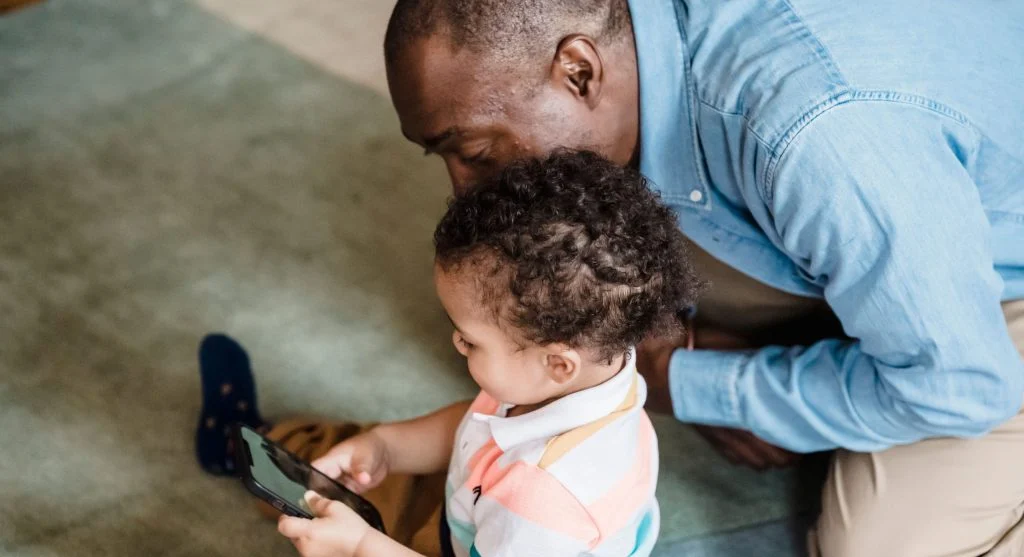
Adults may think a powered-off tablet is no different from one that has been put away. Children often experience it differently. A device sitting nearby can still feel emotionally active. The child sees it, remembers the game, imagines returning to it, and may remain mentally tied to the unfinished fun. That closeness can make the limit harder to accept.
Child development specialists generally note that children are strongly influenced by what remains visible. In many homes, the screen ending feels much less settled when the device stays on a nearby chair or table. The child continues treating it as part of the current moment rather than something that has moved into a different part of the day.
A Resting Place Helps the Ending Feel Real
One reason a device resting place can help so much is that it gives the ending a physical form. Screen time does not just stop in theory. It stops in action. The tablet goes on its shelf. The headphones go in the basket. The charger comes out. The device leaves active use and enters a recognizable resting state. That sequence often makes the transition easier for children to understand.
Family media experts generally explain that physical closure supports emotional closure. In many families, children calm more quickly when the device does not simply go dark in their lap. It goes somewhere. That movement tells the child that this activity had a beginning, a middle, and now a visible end.

Children Often Ask Less When the Rule Looks the Same Every Time
Screen-time arguments often grow when endings feel inconsistent. One day the device stays nearby. Another day it gets taken away. Another day it sits on the counter where the child can still see it. That inconsistency can invite more asking because children keep trying to understand what the real rule is. A fixed resting place often lowers that confusion because the ending looks the same every time.
Development specialists generally note that children rely heavily on repeated patterns. In many homes, asking decreases once the child sees the same storage step happen again and again. The child may still want more screen time, but the end of the session starts feeling more predictable and less open for negotiation.
The Device Resting Place Can Separate “Screen Time” From “All the Time”
When devices move through the house without a clear home, children may begin experiencing them as part of every situation. The device is for the couch, the table, the hallway, the bed, and the quiet minute between activities. A resting place helps draw a clearer line. The device belongs to a specific routine, and when that routine ends, the device returns to its usual spot.
Family routine experts generally note that children manage activities better when those activities have clearer boundaries. In many households, the resting place does not only store the device. It defines the difference between screen time and the rest of family life.
Children Often Transition Better When the Hands Are Empty
Sometimes the difficulty of ending screen use is very physical. The child is still holding the object that carries all the attention and reward. Even if the screen is off, the body has not fully left the activity. Putting the device in its resting place creates a more complete bodily transition. The hands empty. The child stands up. The posture changes. The next activity becomes easier to begin.
Child behavior specialists generally note that transitions improve when the body is helped into the new routine, not only the mind. In many homes, this is why a device resting place works better than simply saying, “Okay, screen time is over.” The child is no longer just told to stop. The child is guided through the final physical step of stopping.
A Resting Place Often Helps Adults Stay More Consistent Too
Children are not the only ones affected by vague device endings. Adults often become less consistent when the device has no clear home. A phone gets left nearby for convenience. A tablet remains on the sofa “just for now.” A game controller stays out because someone might use it later. These small choices can blur the family boundary without anyone planning it. A resting place helps because it turns the end of screen time into one repeatable adult action too.
Family communication specialists generally note that children respond strongly to visible adult consistency. In many homes, parents find it easier to hold firm boundaries when they no longer have to decide each time where the device should go. The routine already answers the question.
The Resting Place Can Make the Next Activity Easier to Begin
Ending one activity is only half the work of a transition. The child also needs to move into something else. A device resting place can support that handoff by acting like a bridge. Once the device is put away, the child is more ready for snack, bath, homework, outside play, or family time because the previous activity now feels more clearly finished.
Development guidance often suggests that children do better when routines move in recognizable sequences. In many families, the resting place becomes part of that sequence: screen, put away, next step. That flow often makes the whole day feel less choppy and less emotionally confusing.
The Best Resting Place Is Usually Simple, Visible, and Repeatable
Families do not need a complex media station for this to help. What matters most is that the place is clear enough to use consistently. A drawer by the kitchen, a shelf in the living room, a basket by the charger, or one family desk corner may all work. The emotional power comes less from appearance and more from repetition.
Family media experts generally note that children respond best to device rules that can survive real life. In many homes, one simple resting place becomes effective because it is easy enough to use after every session. The more often the ending looks the same, the easier it becomes for children to trust it.
Children Often Accept Limits More Easily When the Ending Has a Home
Children often react less to screen limits when the device has a clear resting place after use because visible closure makes the transition more understandable. The device no longer lingers in the child’s space as a tempting unfinished activity. Instead, it returns to a known place, and the child is helped into the next part of the day with less confusion.
In many families, calmer screen endings do not come only from timers or verbal reminders. They come from the small physical habit of putting the device where it belongs when the session is over. Over time, that one repeated action can make digital boundaries feel more complete, more consistent, and far less emotionally sticky.