Why Children Often Handle Shared TV Time Better When the Family Decides Who Chooses First Before Sitting Down
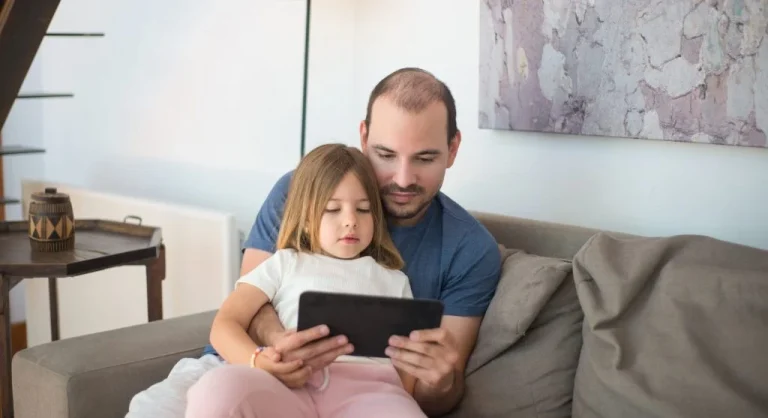
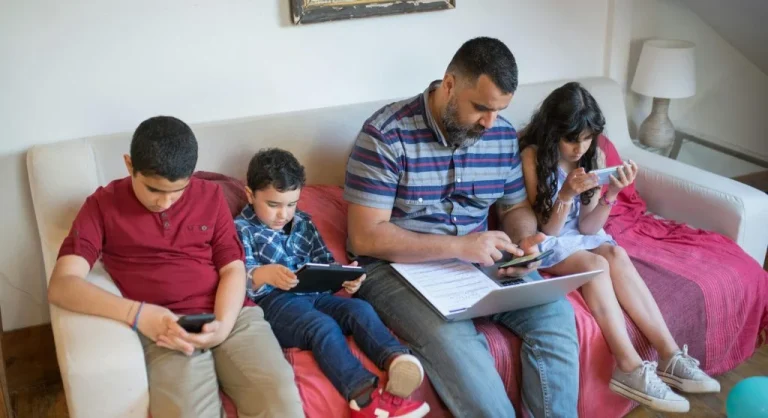
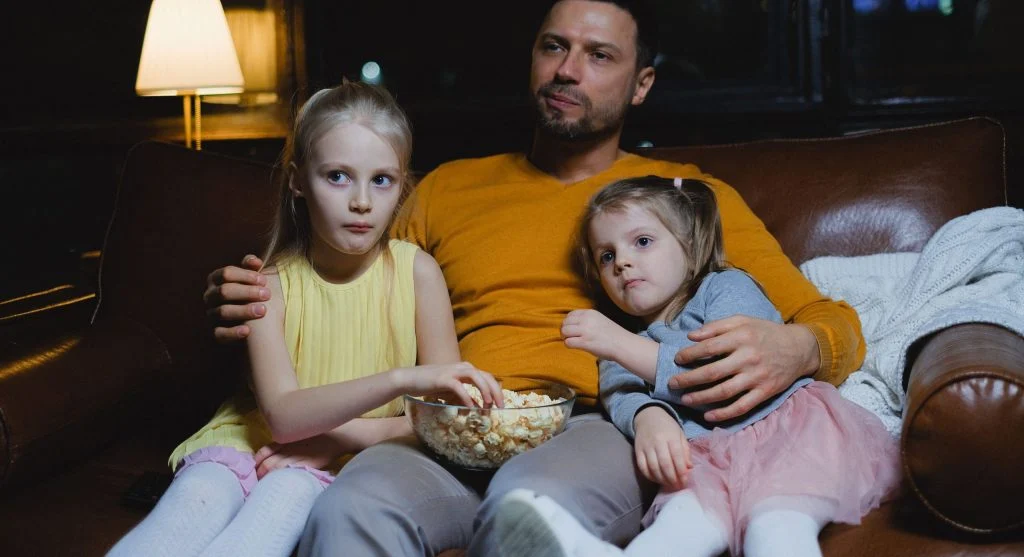
Shared television time often sounds easier than it really is. A family sits down, turns on the TV, and expects the evening to go smoothly. In many homes, though, conflict begins before the first show even starts. One child wants cartoons, another wants a nature program, and a third does not want to wait at all. Family media specialists generally note that children often handle shared TV time better when the family decides who chooses first before sitting down because early structure reduces uncertainty and lowers the emotional scramble that begins once the screen is already on.
This matters because screens become more emotionally charged the moment viewing begins. Once children see the television and expect entertainment right away, patience usually becomes harder, not easier. Development guidance often suggests that families get calmer shared screen time when the turn order or first choice is decided before anyone settles in front of the TV. Over time, this can reduce arguments, make turn-taking feel fairer, and help shared viewing feel more like a family routine instead of a repeated contest.
Why Shared TV Time Becomes Emotional So Quickly
Television often carries more excitement than adults realize. Children are not only choosing a program. They are choosing mood, pace, characters, and the kind of attention they want in that moment. When two or more children want different things, the disagreement can feel personal very quickly. Even a short delay can turn into frustration once everyone is already emotionally focused on the screen.
Child behavior specialists generally note that children react more strongly when entertainment feels close but uncertain. In many families, this is why arguments increase the moment the TV becomes the center of attention. The screen raises the emotional stakes before adults have created a clear plan.
Choosing First Often Matters More Than Adults Expect
Adults sometimes think the problem is only which show gets chosen. For children, the bigger issue is often who had the right to choose. Being first can feel like recognition, power, fairness, and emotional importance all at once. If that decision is made in the moment, children may rush to claim it through volume, persistence, or closeness to the remote.
Family relationship experts generally explain that children often become calmer when the social part of the decision is settled before the content part. In many homes, deciding who chooses first removes the biggest emotional competition before the screen starts intensifying it.
Early Decisions Usually Feel Fairer Than Mid-Conflict Decisions
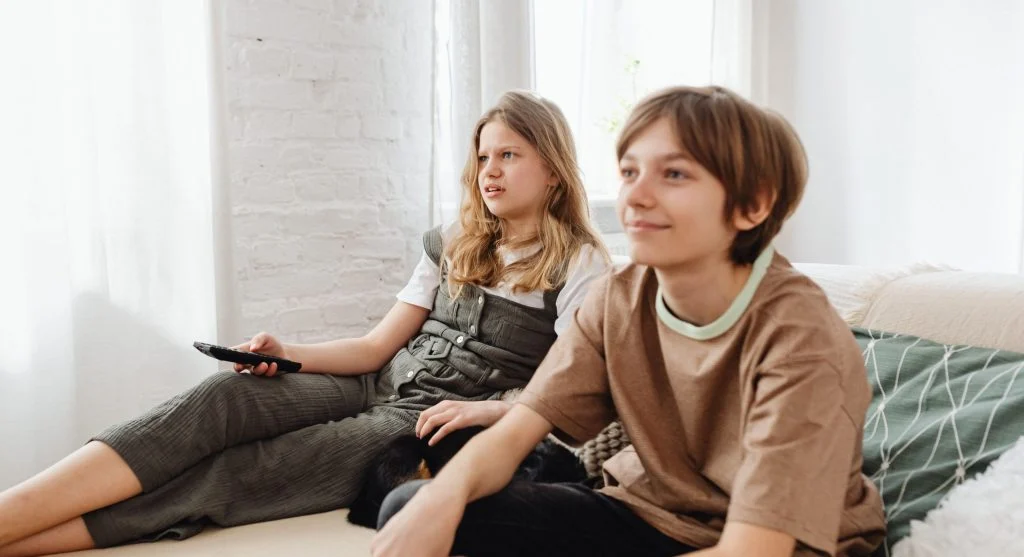
When adults choose the first picker only after children start arguing, the decision can feel reactive. One child may believe the louder sibling won. Another may feel the adult chose sides. By contrast, deciding the first chooser before sitting down often feels calmer and more neutral. The decision belongs to the routine instead of the conflict.
Family communication specialists generally note that children accept boundaries more easily when those boundaries feel predictable rather than personal. In many homes, deciding the order first changes the tone of shared TV because the process feels planned instead of emotionally improvised.
Children Often Wait Better When They Know Their Place in the Sequence
Waiting is hard for most children, but uncertain waiting is usually even harder. If a child does not know whether a turn is coming soon, frustration can grow quickly. A clear order helps because the child can mentally place themselves inside the routine. Even when the child is not first, knowing when their turn is likely to come often makes waiting easier to manage.
Development specialists generally explain that children regulate more steadily when a sequence is visible. In many families, this is why shared screen time improves once the order is known. The child stops fighting for a place and begins waiting from a clearer position.
Shared TV Time Often Works Better When the Rule Exists Before the Couch Moment
The living room couch is often where screen arguments reach their highest point. Once everyone sits down, children may feel that viewing should begin immediately. Any delay can then feel frustrating. Deciding the first chooser before sitting down helps because the hardest negotiation is already finished before the family reaches the most emotionally charged part of the routine.
Family routine experts generally note that good transitions often happen outside the hottest moment, not inside it. In many homes, this means the TV routine becomes easier when the process is decided in the kitchen, hallway, or on the way to the couch rather than after the screen already has everyone’s attention.
Turn Order Can Teach More Than Screen Rules
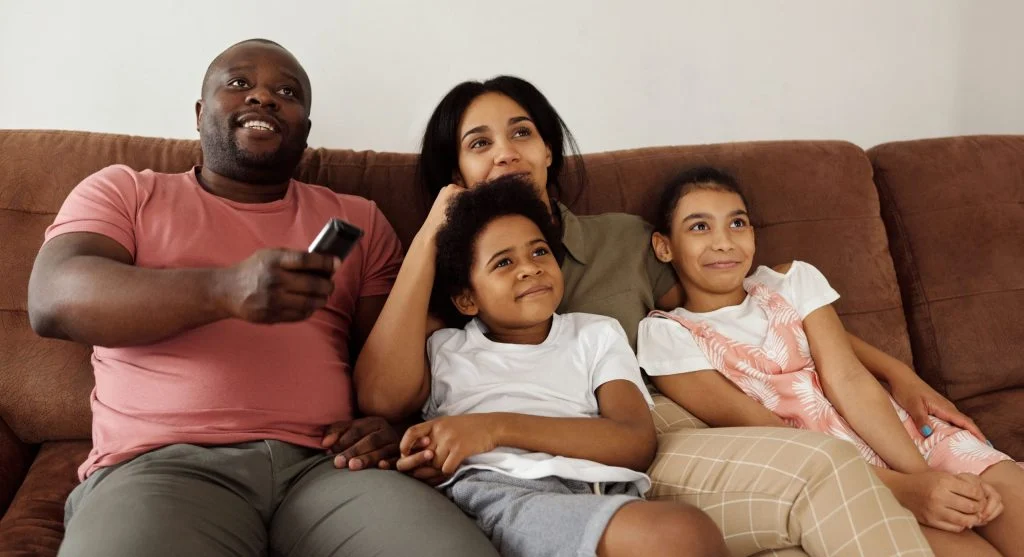
Shared TV routines are not only about media. They are also about fairness, patience, waiting, and learning how family decisions work. When the first chooser is decided calmly ahead of time, children get practice living inside a social structure that is bigger than their immediate preference. This can support emotional growth as well as household peace.
Child development specialists generally note that family media routines often teach broader life skills. In many homes, shared TV time becomes a useful place to practice turn-taking because the emotional stakes are real enough to matter, but still manageable enough to guide.
Adults Usually Stay Calmer When the System Is Already Settled
Parents often become frustrated when every shared viewing session begins with the same argument. A simple pre-decided first-choice rule can reduce that stress because adults no longer have to improvise fairness under pressure. The decision structure already exists. This often makes the adult’s tone calmer, which then affects how children respond.
Family media specialists generally explain that children are highly sensitive to whether rules sound steady or reactive. In many homes, smoother shared TV time begins when parents stop making case-by-case decisions during conflict and start using a routine that feels consistent from one evening to the next.
The Best First-Choice Rule Is Usually the One Families Can Repeat Easily
Families do not need a complicated system for this to work. What matters most is that the order feels easy to understand and easy to repeat. Some families rotate by day. Some alternate by sibling. Some use a simple schedule. The emotional benefit usually comes from consistency more than creativity.
Development guidance often suggests that children adapt best to media rules that feel familiar enough to trust. In many homes, the strongest shared TV routine is not the most elaborate one. It is the one that returns often enough that children stop treating the choice as an open competition every time.
Why Children Often Handle Shared TV Time Better
Children often handle shared TV time better when the family decides who chooses first before sitting down because early structure lowers uncertainty and reduces conflict before the screen raises emotional intensity. The child may still prefer a different show, but the process feels clearer and fairer. That alone can change the whole experience of shared viewing.
In many families, calmer digital life begins not only with time limits, but with smoother starting routines. Over time, deciding who chooses first before anyone settles down can make TV time feel more organized, more respectful, and much easier for children to share.
FAQ
Why does choosing first matter so much to children?
Choosing first often feels like recognition, fairness, and control. For many children, it matters emotionally even more than the show itself.
Should parents decide the first chooser every time?
It usually helps to use a repeatable system so the rule feels predictable rather than personal.
Can this work with one TV and multiple children?
Yes. In fact, it is especially useful in homes where multiple children share one television and have different preferences.
What if a child is still upset about not choosing first?
Clear repetition often helps over time. Many children handle waiting better once they trust that the turn order is real and consistent.
Internal Linking Suggestions
Link this article to posts about healthy screen habits for children, managing shared devices, family media rules, reducing sibling conflict, and smoother screen-time transitions at home.
Key Takeaway
Children often handle shared TV time better when the family decides who chooses first before sitting down because early structure reduces uncertainty and makes turn-taking feel fairer. Shared screen conflict often starts before the program even begins, especially when the process feels open to competition. Families usually see calmer TV time when the order is decided before the screen becomes the center of attention. Over time, this simple habit can make shared viewing more peaceful and easier for children to manage.