Why Children Often Feel Proud When Family Traditions Give Them a Bigger Role as They Grow
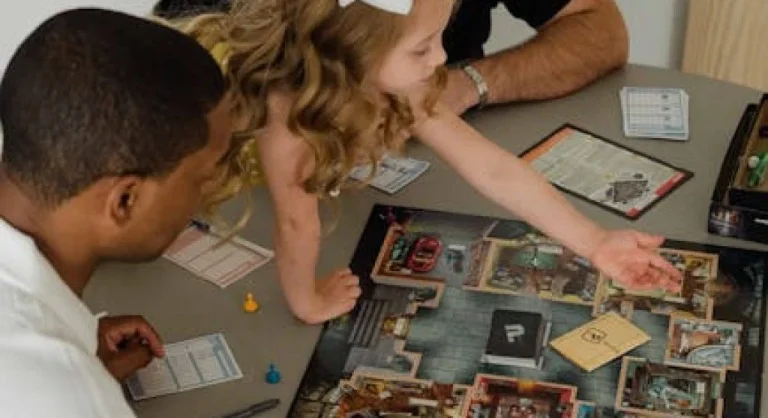
Family traditions often become meaningful because they repeat, but repetition is not the only reason children stay emotionally attached to them. Family relationship specialists generally note that children often feel especially proud when family traditions give them a bigger role as they grow. A child who once only watched may later carry the tray, stir the batter, choose the music, lead the game, read part of the story, or help organize the gathering. In many homes, this quiet shift matters because it tells children that family life notices their growth and makes room for it.
This matters because children do not only want to belong. They also want to matter. A tradition that never changes their role may still feel warm, but a tradition that grows with them can feel far more personal. Development guidance often suggests that children build confidence and connection when family rituals reflect their changing abilities. Over time, a larger role inside a familiar tradition can help children feel trusted, useful, and deeply rooted in family identity.
Children Often Notice When the Family Still Sees Them as “Little”
Adults may keep traditions the same because sameness feels comforting. Children often enjoy that familiarity too, but they also notice when the family still treats them exactly as it did years earlier. An older child may begin wanting a little more responsibility, more decision-making, or more visible participation. If the tradition never changes, the child may still enjoy it while also feeling slightly left behind inside it.
Child development specialists generally note that children want evidence that their growth is real. In many families, traditions become stronger when they preserve the familiar feeling while allowing the child’s place in the ritual to expand with age.
A Bigger Role Can Turn a Tradition Into a Mirror of Growth
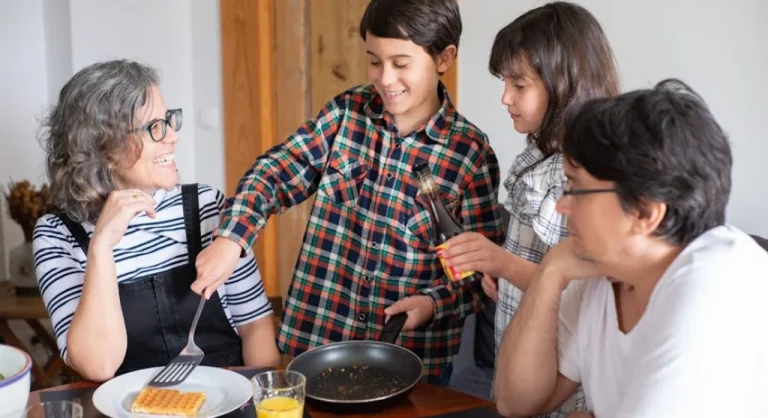
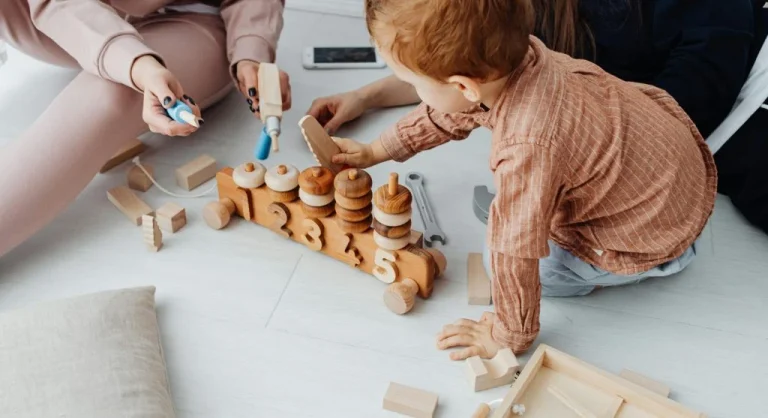
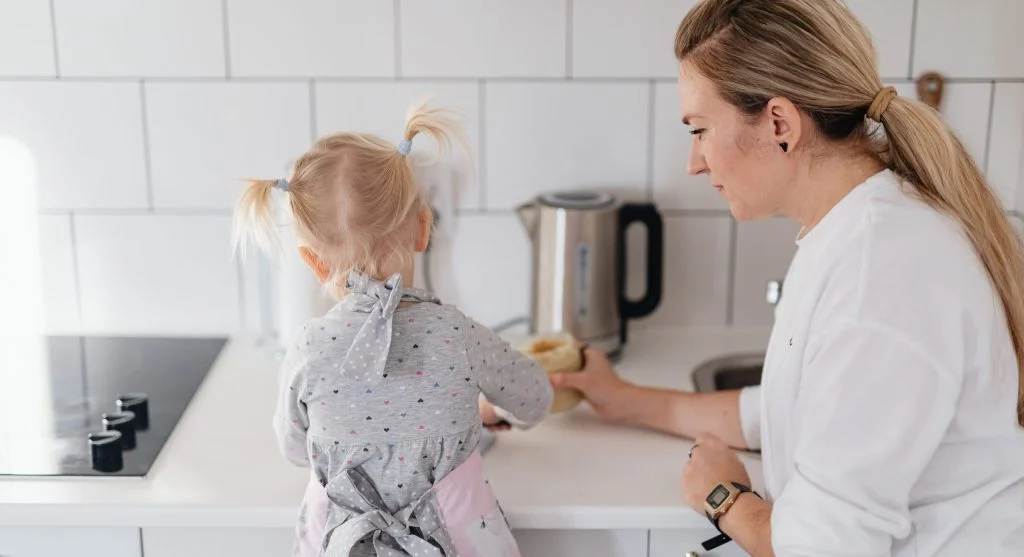
Family traditions often last long enough to show children something important: they are not the same person they used to be. A child who once sat and watched cookies being made may eventually crack the eggs, measure the flour, or pull chairs to the table. These changes can quietly reflect development back to the child in a concrete way.
Family routine experts generally note that children often understand their own growth best when they can see it in action. In many homes, traditions become one of the clearest places where this happens because the ritual stays familiar while the child’s role changes inside it.
Children Often Feel More Invested in Traditions They Help Shape
When children are only observers, traditions can still be pleasant. When children help create the tradition, the emotional connection often deepens. A bigger role makes the ritual feel less like a fixed event happening around the child and more like a shared family act that depends on the child in some visible way.
Family relationship specialists generally note that participation strengthens attachment. In many homes, children become more excited about repeated traditions once they know their contribution matters and that the family expects them to help make the moment what it is.
Pride Often Grows When Responsibility Feels Trusting, Not Pressuring
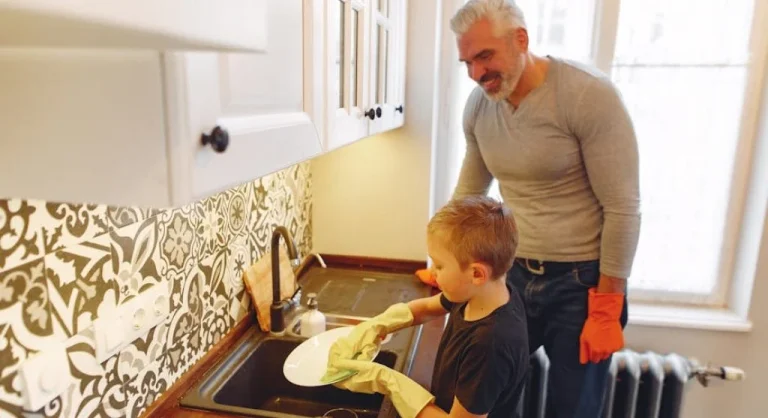
Children usually respond best when a larger role feels like trust rather than pressure to perform. A child who is asked to do one meaningful but manageable part of the family tradition often feels proud. A child who feels the whole event now depends on them may instead feel nervous or resistant. The difference is important.
Development specialists generally explain that children build confidence through repeated successful responsibility. In many families, traditions work well because the growing role is just big enough to feel important but small enough to feel safe.
Changing Roles Can Help Siblings Feel Seen in Different Ways
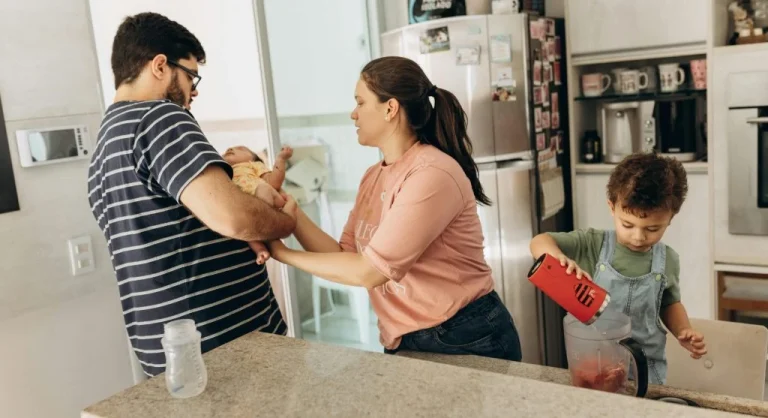
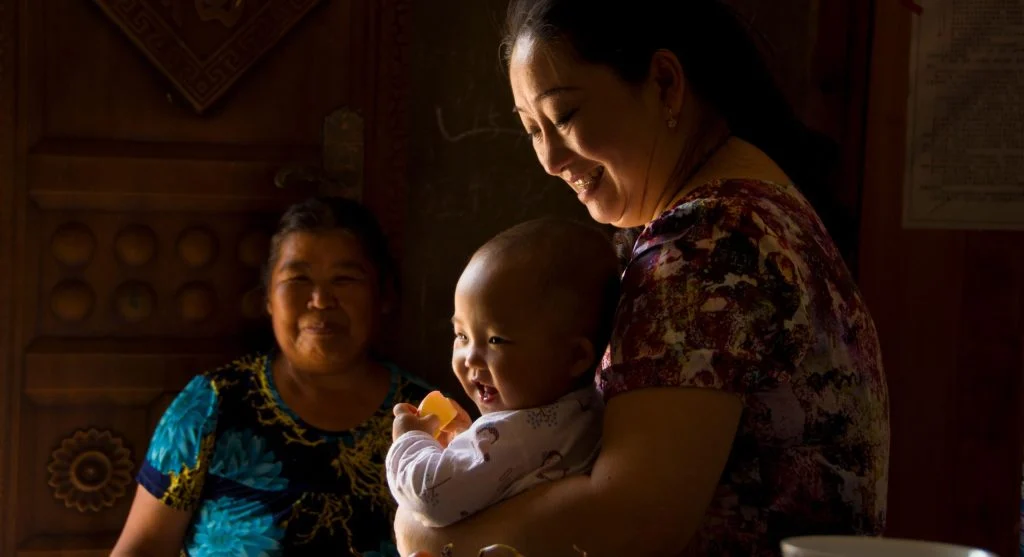
In homes with more than one child, traditions sometimes become even more meaningful when roles shift naturally with age. A younger child may hand out napkins while an older child reads aloud. One child may stir while another chooses the toppings. These layered roles can help each child feel recognized for their current stage instead of compared to one single standard.
Family psychology experts generally note that children feel more secure when family systems reflect who they actually are right now. In many homes, traditions become emotionally richer when each child’s role adjusts over time instead of staying fixed or identical forever.
Traditions That Grow With Children Often Last Longer
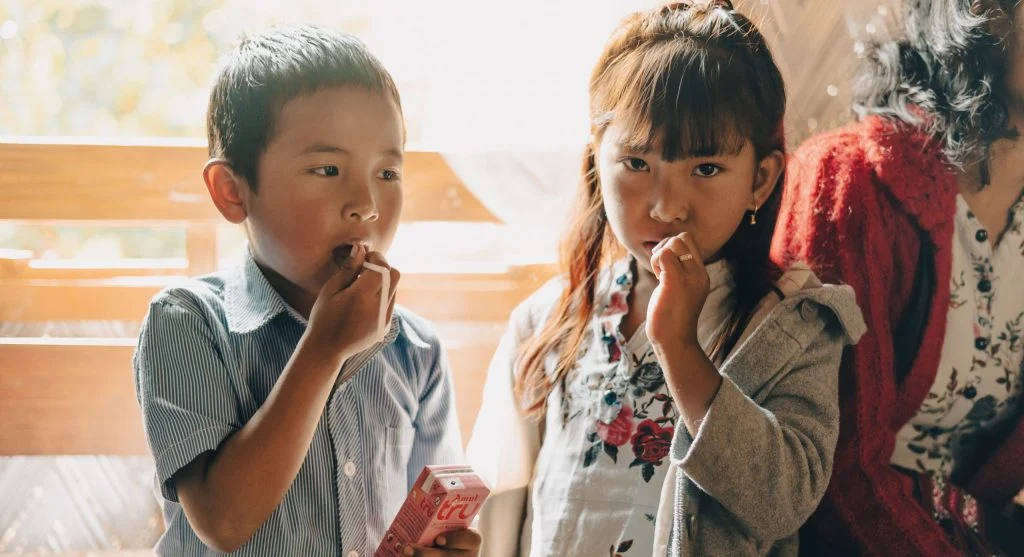
Some traditions fade because children outgrow their place in them. What once felt special may begin to feel too passive, too childish, or too disconnected from the child’s newer abilities. When traditions evolve gently, they often remain meaningful for longer. The ritual stays familiar, but the child’s role keeps pace with development.
Family routine experts generally note that traditions survive best when they are stable in spirit but flexible in form. In many families, a child stays attached to a tradition through adolescence not because nothing changed, but because the tradition kept making room for who the child was becoming.
Children Often Read Bigger Roles as Signs of Family Trust
A larger role in a family tradition can communicate something powerful without saying it directly: we trust you more now. Children are highly aware of signals like this. Being invited to carry something important, lead a step, or handle one part independently can feel like proof that the family sees them as more capable than before.
Development guidance often suggests that children build identity partly through how trusted they feel at home. In many households, traditions become one of the gentlest and most memorable places where that trust is communicated.
The Emotional Value Often Lasts Beyond the Task Itself
Adults may think the bigger role is practical. It helps dinner happen faster, gets the game started, or lightens the work. For children, the emotional meaning is often larger than the practical one. The child remembers not only that they carried the cake or picked the route, but that the family let them. That feeling can stay long after the specific task is forgotten.
Family relationship specialists generally note that children often store family memories through feeling rather than detail. In many homes, the pride attached to a growing role becomes part of the child’s lasting sense of being important inside the family.
Children Often Feel Proud When Traditions Say, “You Belong Here Differently Now”
Children often feel proud when family traditions give them a bigger role as they grow because those changes quietly reflect development, trust, and belonging. The tradition stays familiar, but the child’s place inside it becomes larger and more meaningful. That combination can create a powerful feeling of continuity and growth at the same time.
In many families, traditions become strongest not when they freeze childhood in place, but when they honor the child’s changing abilities while keeping the family bond intact. Over time, that balance can help traditions feel less like repeated events and more like shared stories that children help write as they grow older.