Why Children Often Treasure Tiny Family Rituals That Adults Almost Forget
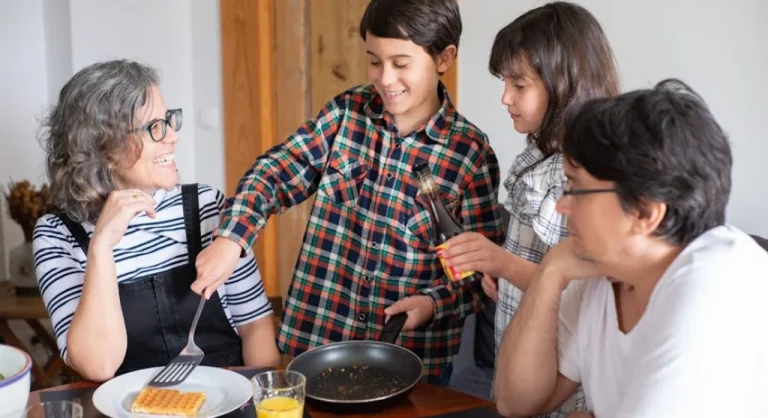
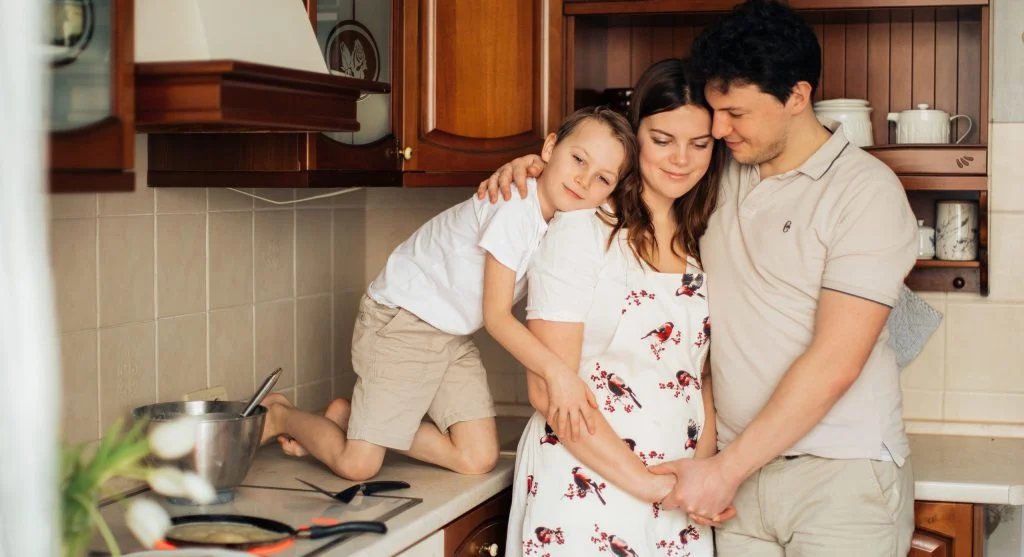
Families often assume children will remember the biggest moments most. Vacations, parties, birthdays, and special outings seem like the obvious highlights of childhood. Yet family relationship specialists generally note that children often treasure tiny family rituals that adults almost forget. A parent knocking on a bedroom door in the same playful way each morning, a short joke before leaving the house, one slice of fruit shared after school, or the same goodnight phrase whispered every evening may seem too small to matter. To children, however, these repeated details often become some of the strongest signs of love and belonging.
This matters because children do not build emotional security only through major events. They often build it through repetition, familiarity, and the quiet message that family connection appears in ordinary life. Development guidance often suggests that children feel deeply anchored by small rituals because those rituals happen often enough to become part of what home means. Over time, the smallest repeated moments can become the ones children carry longest, precisely because they were woven so naturally into everyday life.
Small Rituals Often Feel Like Proof That Family Life Has a Pattern
Children usually notice repeated patterns more than adults realize. A tiny ritual that returns often enough can become one of the ways children understand that family life has shape. The child begins to expect the moment, not because it was officially announced as a tradition, but because it quietly keeps coming back. That return often feels reassuring.
Family specialists generally note that repeated small actions help children trust their environment. A little ritual may say, without big words, this is how our family starts the day, this is how we reconnect, or this is how we end the evening. In many homes, that quiet pattern becomes a steady source of comfort.
Children Often Attach Meaning to Moments Adults See as Ordinary
Adults often overlook the emotional power of everyday details because they are focused on responsibilities, schedules, and larger goals. Children may experience those same details very differently. A parent always cutting toast into the same shape, singing the same line during bath time, or tapping the car roof twice before driving away may become meaningful simply because it feels familiar and personal.
Child development specialists generally note that children often form strong attachment through repeated sensory and emotional cues. What adults dismiss as a small habit may feel to a child like part of the emotional texture of home. In many families, the smallest routines become memorable precisely because children give them more meaning than adults expect.

Tiny Rituals Often Feel Safer Than Big Planned Moments
Special events can be exciting, but they also bring noise, change, travel, and high expectations. Small family rituals usually feel quieter and easier to enter. Because they happen in ordinary settings, children often do not need to adjust as much emotionally. The ritual simply appears where family life already exists.
Family relationship experts generally note that children connect deeply in low-pressure settings. A repeated evening cup of warm milk, one song before bed, or a two-minute chat in the kitchen may not look impressive, but it often gives children a calmer, safer place to feel close. In many homes, this is why small rituals become emotionally stronger than larger family plans.
Children Often Feel More Seen When the Ritual Is Personal
Small family rituals often feel especially meaningful because they can be deeply personal. A nickname used only at one time of day, a secret handshake at school drop-off, or one familiar phrase said with a smile can make a child feel noticed in a way that is hard to replace. The ritual becomes part of how the relationship sounds or feels.
Development specialists generally explain that children often experience belonging through details that feel uniquely theirs. In many families, the smallest rituals become emotionally powerful because the child senses that the moment is not generic. It belongs to this relationship and this home.
Tiny Rituals Usually Survive Busy Life Better Than Bigger Traditions
One practical reason children may treasure small rituals is that these rituals often last longer than large traditions. Families may miss a trip, cancel a big outing, or postpone a complicated plan. Small rituals are easier to keep. They fit into weekday mornings, tired evenings, and ordinary transitions. Because they survive real life better, they have more chances to become emotionally important.
Family routine experts generally note that what repeats most reliably often shapes children most deeply. In many homes, the little ritual survives changing schedules because it takes very little time or effort. That staying power often turns it into a real emotional anchor.
Children Often Use These Rituals as Emotional Anchors During Change
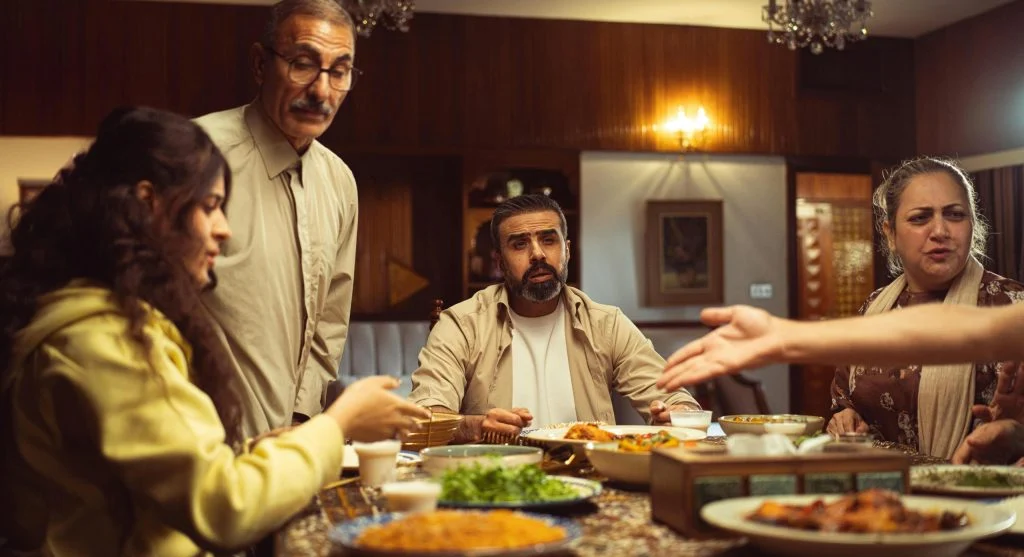
Childhood includes many changes that adults may underestimate. School shifts, sibling tension, growth spurts, busy seasons, and daily disappointments can all make life feel unsteady. A tiny ritual that stays the same during those changes can help children feel that something important remains stable. The ritual may be brief, but it often carries emotional weight because it still returns when other things feel different.
Child development specialists generally note that children often rely on familiar repeated moments during times of stress. In many families, a tiny ritual becomes especially valuable not when life is easy, but when life feels a little less predictable. Its smallness does not reduce its impact. Sometimes it increases it.
Adults Often Forget Small Rituals Because They Feel Effortless
Part of what makes these rituals easy to overlook is that they usually do not feel like work. Adults may not even remember when they started. The ritual simply grew out of ordinary family life and became part of the rhythm. Because it feels effortless, adults may underestimate how visible it is to children.
Family psychology experts generally note that children often notice emotional regularities that adults stop consciously seeing. In many homes, the rituals adults barely remember creating become the very ones children later describe with surprising detail and affection.
What Makes a Tiny Ritual Emotionally Strong
Not every repeated action becomes meaningful, but many tiny rituals become powerful when they include three things: repetition, warmth, and recognition. The ritual returns often enough to feel dependable, carries a positive emotional tone, and helps the child feel recognized in a personal way. That combination can make even a very short moment feel emotionally large.
In many families, children do not treasure tiny rituals because the rituals are dramatic. They treasure them because the rituals quietly say the same thing again and again: you belong here, this is your place, and connection is part of ordinary life.
Children Often Carry the Smallest Rituals Long After Childhood
Children often treasure tiny family rituals that adults almost forget because those rituals become woven into the emotional meaning of home. Long after the specific snack, phrase, or routine might seem unimportant to an adult, the child may remember exactly how it felt. These moments become part of childhood memory not because they were grand, but because they were repeated with care.
In many homes, the strongest family traditions are not always the planned ones. Sometimes they are the nearly invisible gestures that keep returning until they become part of the child’s private map of love and safety. Over time, those tiny rituals can become some of the most lasting gifts family life quietly gives.