Why Children Often Look Forward to Family Traditions More When the Same Seat or Spot Belongs to Them Each Time
Family traditions often become memorable through repetition, but the details that matter most to children are not always the ones adults notice first. Parents may focus on the meal, the outing, the holiday event, or the shared activity itself. Children often connect most strongly to the repeatable parts that help them know where they belong inside the ritual. Family relationship specialists generally note that children often look forward to family traditions more when the same seat or spot belongs to them each time because the familiar place becomes part of the emotional structure of the tradition. In many homes, one chair at the table, one blanket corner, one park bench spot, one kitchen stool, or one place on the couch quietly becomes part of what makes the ritual feel safe and special.
This matters because children build belonging through repeated patterns they can recognize with the body as well as the mind. A familiar place in a repeated family moment can help children feel expected, included, and emotionally settled before the activity has even fully started. Development guidance often suggests that rituals become stronger when children know not only what the family does, but also where they fit inside it. Over time, the same seat or spot can help a child anticipate the tradition more warmly and remember it more clearly.
A Familiar Spot Can Tell Children the Tradition Has Truly Begun
Adults often know a family ritual has started because they organized it. Children often need a more concrete signal. Returning to the same chair, blanket edge, picnic place, or cozy reading corner can act like that signal. The child feels that the family is no longer in ordinary time. The ritual is now happening in the familiar way.
Child development specialists generally explain that children respond strongly to repeated physical patterns. In many families, the assigned or expected spot works like a quiet opening cue. The body recognizes the ritual even before the child consciously explains it.
Children Often Feel More Included When They Know Exactly Where They Belong
One reason familiar spots matter so much is that they reduce social uncertainty. Children do not have to wonder where to sit, where to stand, or how to join the family moment. The answer is already built into the tradition. That makes participation easier because belonging feels automatic instead of tentative.
Family bonding experts generally note that children feel more secure when family rituals include repeatable roles and positions. In many homes, a child relaxes more quickly because the tradition does not ask the child to find a place. The place is already theirs in the child’s mind.
The Same Spot Can Turn a General Activity Into a Personal Tradition
Many family activities are enjoyable, but they feel even more meaningful to children when there is one personal anchor inside them. A familiar spot can provide that anchor. The child begins to think of the tradition not only as something the family does, but as something the child experiences from a known and trusted place. This makes the ritual feel more personal without requiring anything elaborate.
Development specialists generally note that children attach more deeply to repeated experiences when they contain one element that consistently belongs to them. In many homes, the special seat or spot becomes that element and gives the larger family activity a more personal emotional shape.
Body Memory Often Strengthens Emotional Memory
Children do not store memories only through words and ideas. They also remember through body experience. Sitting in the same chair every pancake Saturday, leaning against the same parent on the same couch side during movie night, or standing in the same kitchen corner during holiday baking can create a strong physical pattern. That pattern often strengthens emotional memory because the body begins anticipating the feeling attached to the place.
Child development experts generally explain that body memory is a powerful part of childhood routines. In many families, a familiar spot helps children remember how the tradition feels, not just what happens during it.
Children Often Look Forward More to What Feels Predictable
Anticipation grows more easily around experiences children can picture clearly. When a tradition includes a familiar place, children often start imagining the moment earlier. They can picture themselves there. That mental picture makes the event feel real in advance and can increase excitement in a very grounded way.
Family routine specialists generally note that children often look forward most to activities that are predictable in warm ways. In many homes, the same seat or spot becomes part of what makes the tradition easy to imagine and therefore easier to anticipate happily.
This Kind of Repetition Often Helps Children Settle Faster
Some family traditions happen during exciting or slightly busy moments. Holidays, outings, game nights, and special meals can all bring noise, movement, and stimulation. A familiar spot can help children settle inside that excitement. The place itself becomes a quiet signal that says the ritual is starting in a known and manageable way.
Development guidance often suggests that children regulate better when new or stimulating experiences include something strongly familiar. In many families, the same seat or spot becomes one of the simplest ways to provide that familiarity.
The Spot Often Matters Because It Stays Small and Stable
Adults sometimes think family connection requires bigger gestures. Yet one reason a familiar seat or place works so well is that it is small enough to stay stable over time. It does not require extra planning, money, or effort. The power comes from repetition. The child returns to the same place often enough that the place gathers meaning.
Parenting specialists generally note that lasting family rituals are often built from repeatable details rather than from large productions. In many homes, the special spot matters because it quietly stays the same while so much else changes around it.
Children Often Feel Family Identity Through These Small Patterns
Family identity is rarely built through speeches alone. Children usually learn what family life means through patterns they live inside again and again. A familiar seat, familiar phrase, familiar object, or familiar job all help tell the child what kind of family rhythm exists here. A repeated spot can become one of those quiet identity signals.
Family relationship experts generally explain that children understand belonging through repeated lived details. In many homes, the child’s familiar place becomes one of the small markers that says, “This is how our family does this, and I belong in it.”
The Spot Does Not Need to Be Formal to Be Meaningful
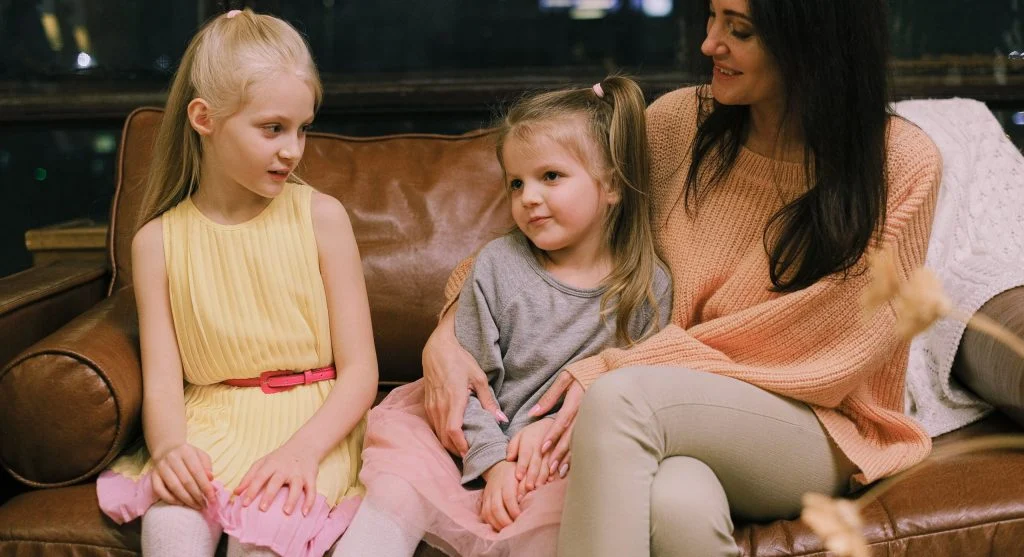
The place does not need to be officially assigned for it to matter. Sometimes the family never announces it at all. The meaning grows naturally because the child keeps returning there and everyone quietly accepts that pattern. A corner of the couch, one side of the blanket, one kitchen stool, or one usual side of the table can become meaningful without ceremony.
Development specialists generally note that children often create strong emotional associations around patterns adults barely notice. In many families, the familiar spot matters precisely because it feels natural and unforced rather than formally managed.
These Small Place Rituals Often Stay in Memory for Years
Long after the family tradition changes shape, children may still remember exactly where they used to sit, stand, or lean during it. That is one reason small physical patterns can matter so much. They are often stored in memory with surprising strength. The child may remember the place almost as clearly as the activity itself.
Family bonding experts generally note that childhood memories often stay attached to specific sensory and spatial details. In many homes, the familiar seat or spot becomes one of the lasting memory anchors for the entire family tradition.
Why Children Often Look Forward to Family Traditions More
Children often look forward to family traditions more when the same seat or spot belongs to them each time because the familiar place makes the tradition feel predictable, personal, and emotionally safe. The child does not only know what the family will do. The child knows where they belong inside it. That small certainty can deepen anticipation and strengthen the emotional value of the whole ritual.
In many families, meaningful traditions are built less by making events bigger and more by making them easier for children to recognize and trust. Over time, one familiar place can quietly become part of why a child loves the tradition at all.
FAQ
Does the same spot need to be officially assigned?
No. It can grow naturally over time as long as the child returns to it often enough for it to feel familiar and expected.
Can this help weekly routines as well as holiday traditions?
Yes. A familiar seat or spot can strengthen both frequent family routines and more occasional traditions.
Why would a small place matter so much to children?
Because repeated physical patterns often help children feel belonging, predictability, and emotional safety more strongly than adults expect.
What if the family setup changes sometimes?
That is usually fine. The overall effect often comes from repeated familiarity, not perfect sameness every single time.
Internal Linking Suggestions
Link this article to posts about simple family rituals, ways to build family connection, meaningful childhood traditions, memory-making routines, and small repeated details that strengthen family life.
Key Takeaway
Children often look forward to family traditions more when the same seat or spot belongs to them each time because repeated physical places help make family rituals feel personal, predictable, and emotionally safe. A familiar place can quietly tell a child that they are expected and included in the tradition. Families often build powerful connection through small repeatable details that children can recognize with ease. Over time, one simple spot can become an important part of how children remember and value family life.