Why Children Often React Better to Screen Limits When the Device Is Not Always Visible
Many families notice that screen time becomes a bigger topic when devices stay in sight throughout the day. A child may not be using a tablet, phone, or television at that moment, yet the simple sight of it can trigger repeated asking, bargaining, or emotional focus on when the next turn will happen. Family media specialists generally note that children often react better to screen limits when the device is not always visible because visibility itself can act as a constant cue. In many homes, the challenge is not only the rule about screens. It is the repeated reminder that the screen is right there. This matters because children are still learning how to manage impulse, waiting, and attention around highly attractive activities. When a device stays present in the room, it may keep pulling at the child’s thoughts even during meals, play, homework, or family conversation. Development guidance often suggests that boundaries often work better when the environment supports them. Over time, reducing constant visual access can lower negotiation and help screen rules feel less emotionally charged.
Visible Devices Often Keep the Idea of Screen Time Active
Children do not always ask for screens only because they suddenly want them. Often, they ask because the device remains a visible reminder. A tablet on the couch, a phone on the table, or a television left on the screen menu can quietly keep the possibility of screen time active in the child’s mind. The child may be trying to play or move into another routine while still being repeatedly pulled back toward that option. Family media experts generally note that visibility acts like a cue. Children are often highly responsive to cues, especially around preferred activities. When the device is always in view, the screen does not fully leave the moment, even after use has ended. This can make the limit feel harder because the temptation keeps being refreshed.Children Often Handle Waiting Better When the Trigger Is Reduced
Waiting is difficult for many children even under calm conditions. It usually becomes harder when the thing being waited for is constantly present. A child who knows screen time comes later may still manage that wait more smoothly if the device is not sitting within reach or within sight all afternoon. Without the visual trigger, the child may find it easier to focus on other parts of the day. Child development specialists often note that self-control works better when the environment does not require constant resistance. Children are still building internal control, and visible devices can place a repeated demand on that system. Removing the constant trigger often helps because it lowers how often the child has to actively resist the screen in thought and behavior.
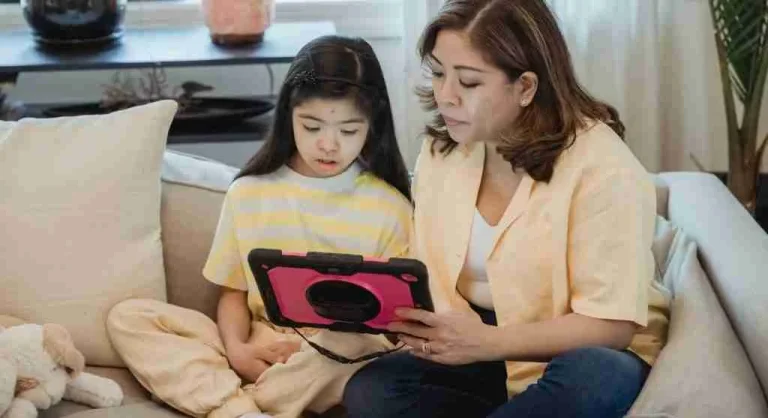
Credit: Tima Miroshnichenko / Pexels
Out of Sight Often Makes Transitions Less Sticky
One of the hardest parts of screen use is the transition away from it. When the device stays visible after the session ends, the child may continue feeling attached to the activity. The screen is no longer being used, but it still sits there as a reminder that the enjoyable experience could continue. This can keep the child emotionally tied to what just ended. Family routine specialists generally note that transitions often go more smoothly when the old activity feels fully finished. Putting the device away in a shared place, drawer, shelf, or charging area can help mark that ending more clearly. The child is not only hearing that screen time is over. The child is seeing that the device has moved out of the active family space.Constant Visibility Can Increase Repeated Asking
Many families feel tired not only from screen use itself, but from how often children ask for it. A visible device can keep that cycle going by making another request feel natural every time the child glances at the screen. The adult may hear the same question several times a day, even when the family rule has already been explained clearly. Family communication experts often note that repeated asking does not always mean the child is forgetting the answer. Often, the child is reactivated by the visible cue and hoping this time will be different. When the device is less visually present, the requests often become less frequent because the trigger is no longer renewing the idea so strongly.Children Often Shift More Easily Into Other Activities Without the Visual Pull
Open parts of the day often work better when children can move into reading, toys, outdoor play, chores, or conversation without a device competing for attention from across the room. If the screen remains in clear view, the next activity may feel weaker by comparison before it even begins. The child is no longer choosing between play and nothing. The child is choosing between play and a highly appealing visible option. Child development specialists generally note that children often do better when the environment supports the activity adults want to strengthen. When books, art supplies, blocks, or family routines are easier to see than the device, children may enter those activities with less friction. In many homes, this changes not only screen behavior, but the overall tone of the day.
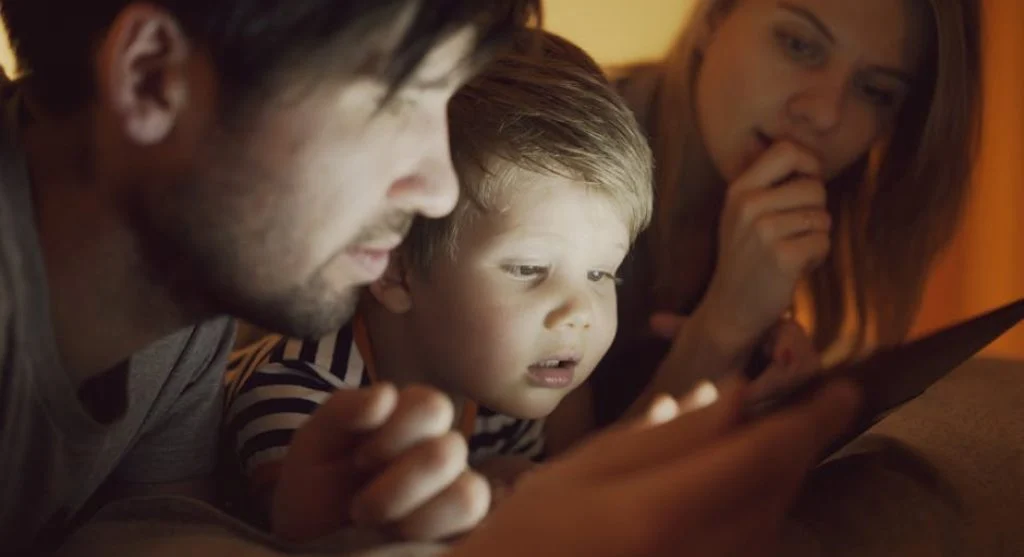
Credit: Ian Taylor / Pexels
Visible Devices Can Blur Family Rhythm
When devices are always out, the boundary between screen time and non-screen time can feel less clear. The child may stop seeing screens as one part of the day and begin seeing them as a constant available possibility. This can make routines such as meals, homework, cleanup, or bedtime harder to protect because the device remains present in the background of all of them. Family media experts often note that children handle limits better when screens have a clearer place in family life. Keeping the device put away outside of its intended use can support that clarity. The screen becomes something that appears at certain times instead of something woven visibly through the whole day.Less Visibility Often Helps Adults Stay More Consistent Too
Visible devices can affect adults as well as children. When the screen is always nearby, adults may be more likely to make exceptions in the moment because the device feels easy to hand over during boredom, waiting, or stress. Over time, this can make the family pattern less predictable. A device that is stored away often requires a more conscious decision, which can support steadier follow-through. Parenting specialists generally note that consistency improves when the environment matches the family rule. If the intention is that screens happen at set times, storing devices out of sight during the rest of the day can help adults maintain that pattern with less reactive decision-making.Screen Limits Often Work Best When the Environment Helps Carry Them
Children often react better to screen limits when the device is not always visible because the boundary is no longer relying only on repeated verbal correction. The space itself begins helping with the rule. The child is asked less often to resist the same temptation over and over, and the family has fewer repeated conversations about when screens can happen. In many homes, this does not solve every challenge around devices. Children may still ask, protest, or prefer more time. Yet reducing constant visibility often lowers one major source of pressure. Over time, that can make screen boundaries feel calmer, clearer, and easier for everyone to manage.Key Takeaway
Children often react better to screen limits when the device is not always visible because visible screens act as repeated cues that keep asking, waiting, and emotional attachment active. Storing devices away outside of screen time can reduce temptation, support smoother transitions, and make the family rhythm clearer. Families often see fewer repeated requests when the environment helps carry the boundary instead of relying only on reminders. In many homes, simpler device visibility leads to calmer and more workable screen rules over time.