Why Children Often Need More Practice Before Staying Calm Feels Natural
Many adults expect children to stay calm once they understand the rule about using kind words, waiting, or taking a breath before reacting. In practice, child development specialists generally note that children often need more practice before staying calm feels natural. A child may know what calm behavior looks like and still struggle to show it reliably when disappointment, frustration, excitement, or pressure rises. In many homes, this is not a sign that the child has failed to learn. It often means the skill is still under construction. This matters because staying calm is not a single behavior. It depends on attention, body regulation, emotional awareness, impulse control, and repeated experience handling hard moments without becoming overwhelmed. Development guidance often suggests that children do not become calm simply by hearing reminders to calm down. They usually grow calmer through repeated supported practice inside ordinary family life. Over time, those repeated experiences help calm behavior become more familiar, more reachable, and more dependable.
Knowing About Calm Is Not the Same as Feeling Calm
Children often understand what adults want long before they can do it in difficult moments. A child may know that yelling is not helpful, that grabbing is not allowed, or that taking turns matters. Yet when a strong feeling arrives, that knowledge may disappear behind the intensity of the moment. The child is no longer only managing behavior. The child is also managing an activated body and a fast emotional reaction. Child development specialists often note that this gap is normal. Calm behavior depends on more than memory. It depends on whether the child can access that memory while the nervous system is already stressed. That access often comes slowly through repetition, not instantly through instruction alone.Strong Feelings Often Arrive Faster Than Self-Control
One reason children need more practice is that emotions often move faster than thoughtful choices in childhood. Anger, embarrassment, disappointment, excitement, and unfairness can all rise quickly. In those first seconds, the child may react before having enough internal space to choose a calmer response. Adults often see only the outburst, but the deeper challenge is the speed of the emotional wave underneath it. Development experts generally explain that staying calm requires a pause between feeling and action. Children are still building that pause. This is one reason a child may seem perfectly capable of calm behavior one day and struggle strongly the next. The emotional surge may simply have outrun the child’s still-developing control system.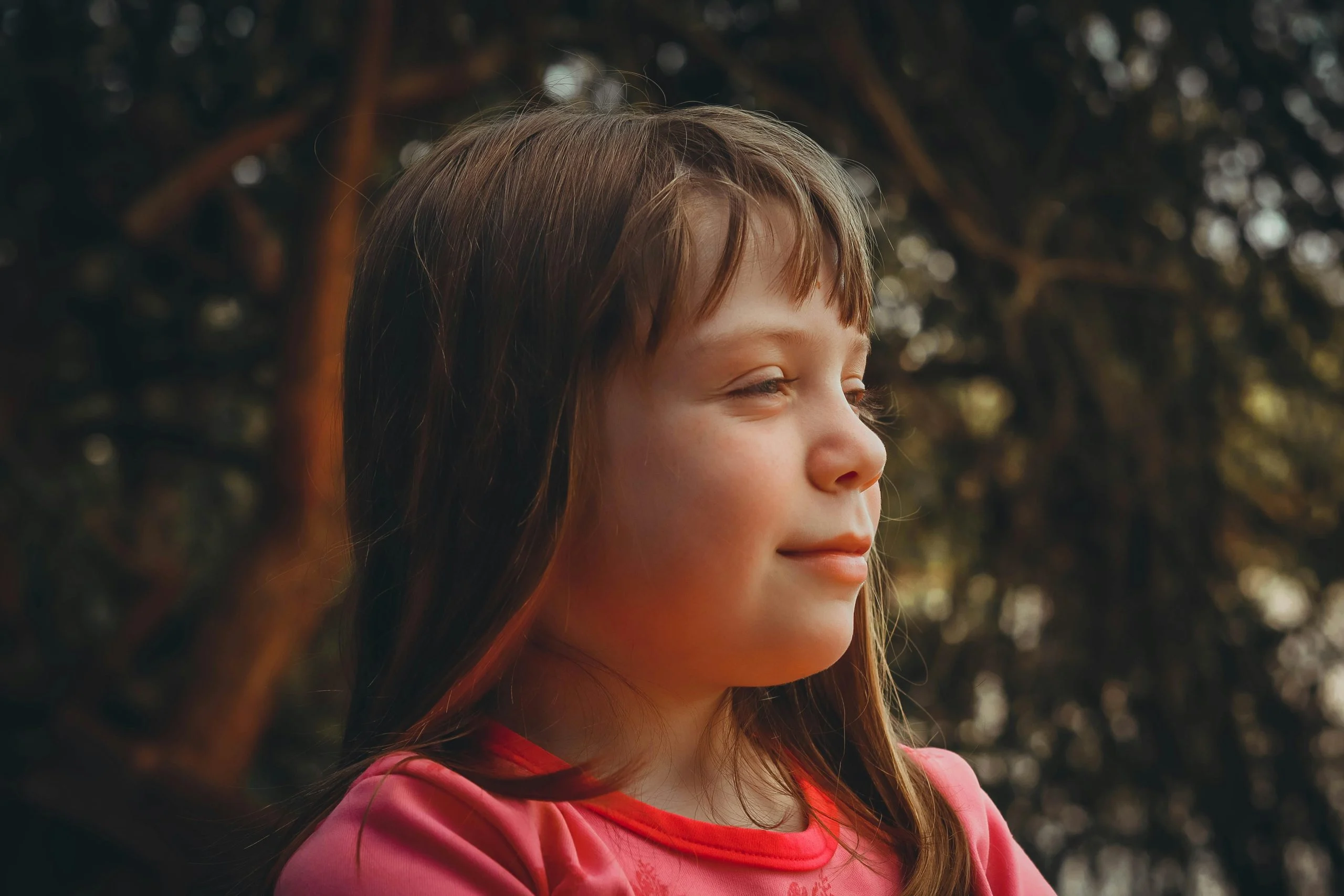
Credit: Jordane Maldaner / Pexels
Children Often Need Calm Skills Practiced Outside the Hard Moment
Adults sometimes try to teach calm only during conflict, yet many children learn these skills more effectively in quieter moments. A child may need repeated experience with waiting briefly, stopping for one breath, naming a feeling, or trying again after a small frustration when the stakes are lower. These smaller practice moments help build the pattern before a bigger emotional situation appears. Child behavior specialists often note that skills are easier to learn before the child is fully upset. Once the hard moment arrives, the child is trying to use a skill rather than understand it for the first time. Repetition in ordinary life helps make that skill more reachable when emotions run higher later.Calm Behavior Depends on the Body as Well as the Mind
Children do not stay calm through thought alone. Body state matters. Hunger, fatigue, overstimulation, noise, illness, and physical discomfort can all make calm behavior harder even when the child knows exactly what is expected. A child who is already physically strained may have much less room left for emotional control. Development specialists generally note that behavior is shaped by condition as much as by character. This helps explain why the same child may handle one disappointment well in the morning and react very differently at the end of a long day. The challenge is not only emotional. It is also physical and sensory.Children Often Borrow Calm From Adults First
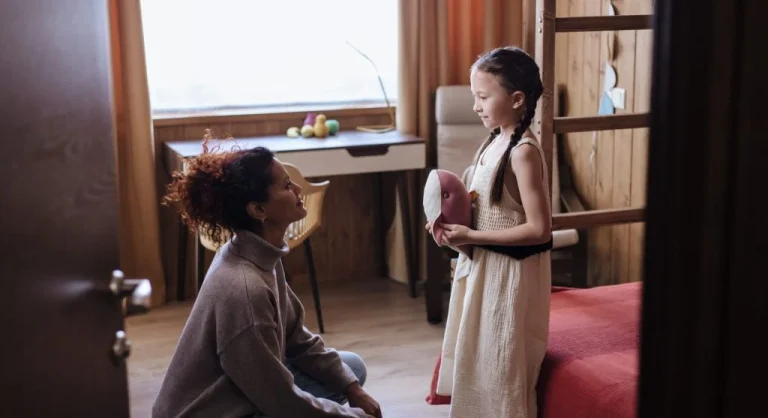
One reason practice matters so much is that many children first experience calm through the support of a steady adult. A calm voice, predictable response, and clear next step can help organize a child’s emotional state when the child cannot yet do all that work alone. Over time, repeated experiences of being guided through hard moments can help the child begin using similar patterns more independently. Child development specialists often describe this as co-regulation. The adult’s calm does not erase the child’s feeling, but it helps make the feeling manageable. In many homes, children become calmer over time not because they were told to control themselves better, but because they had enough repeated experiences of being guided through stress in a regulated way.
Credit: Katerina Kolomina / Pexels
Repeated Recovery Often Matters More Than Perfect Calm
Families sometimes hope progress will look like no more big feelings, but development specialists often note that progress more often appears in recovery. A child may still cry, protest, or become frustrated, yet recover faster, accept help sooner, or return to the task with less time lost. These smaller changes often show that calm is becoming more available even if it is not yet instant. This matters because expecting perfect calm too soon can make normal growth harder to see. A child who settles five minutes sooner than before or who uses one calming step independently is showing real developmental progress. In many homes, these smaller recoveries are the clearest signs that practice is working.Predictable Routines Usually Make Calm Easier to Reach
Children often stay calmer more easily when the day around them feels more predictable. Repeated meal times, smoother transitions, clearer expectations, and steadier bedtime routines all reduce the number of extra stressors the child must carry. When daily life feels less chaotic, the child often has more internal room to manage disappointment without tipping over so quickly. Family routine experts generally note that calm behavior grows more easily in environments that support regulation. This does not mean hard feelings disappear. It means children often do better when their overall day leaves enough margin for them to practice control without already being overloaded by everything around them.Calm Usually Becomes Natural Through Many Ordinary Moments
Children often need more practice before staying calm feels natural because calm is built slowly through many ordinary moments of waiting, recovering, adjusting, and trying again. The skill becomes stronger each time the child experiences a manageable frustration, receives support, and learns that hard feelings can pass without taking over the whole situation. In many homes, the child who seems to struggle most with calm is not failing. The child is often still building a developmental skill that needs time, repetition, and steady adult guidance. Over time, those repeated small practices can help calm move from something the child is told to do into something the child can reach more independently.Key Takeaway
Children often need more practice before staying calm feels natural because calm depends on emotional regulation, body state, impulse control, and repeated real-life experience. Knowing what calm behavior looks like does not always mean a child can use it quickly when feelings rise. Families often see stronger progress when adults focus on repeated practice and calmer recovery rather than expecting instant control. Over time, these ordinary supported moments help calm become more familiar and more available in daily life.