Why Children Often Need More Repetition Before Self-Control Starts to Improve
Many adults expect self-control to improve quickly once children understand a rule. A child may know that grabbing is not allowed, that waiting is important, or that shouting makes a problem worse, yet still struggle to act that way when emotions rise. Child development specialists generally note that children often need more repetition before self-control starts to improve because self-control is not just knowledge. It depends on brain development, emotional regulation, memory, and repeated real-life practice using those skills under stress.
This matters because adults often assume that if a child can explain a rule, the child should be able to follow it consistently. In practice, knowing and doing are often far apart in childhood. Development guidance often suggests that self-control grows through many repeated moments of trying, failing, calming, and trying again. Over time, children usually improve not because one reminder changed everything, but because ordinary family life gave them enough repeated chances to build the skill gradually.
Self-Control Is More Than Simply Knowing the Rule
Children often understand expectations before they can carry them out reliably. A child may say that hitting is wrong, that waiting for a turn matters, or that interrupting is not polite. Yet when excitement, anger, disappointment, or urgency appears, that knowledge may become hard to use. The problem is not always understanding. The problem is putting understanding into action while feelings are moving quickly.
Child development specialists generally note that self-control depends on several systems working together. The child must notice the feeling, pause the impulse, remember the rule, and choose a different action. That chain can be hard to complete in the moment, especially when the child is tired or overwhelmed. This is one reason repetition matters so much.
Children Often Need Practice in Real Moments, Not Only Calm Lessons
Adults often teach self-control during calm conversations, and those lessons can help. Still, self-control usually grows most through repeated experience in the real moments where the skill is needed. Waiting while someone else takes a turn, hearing no to a request, stopping before grabbing, or staying calm through a delay all give the child a chance to practice the skill where it actually matters.
Development experts generally explain that children rarely become more regulated through explanation alone. They usually grow by using the skill imperfectly in everyday life. In many homes, the repeated practice inside real frustration is what gradually makes self-control stronger and more available over time.

Strong Feelings Often Arrive Faster Than Control Skills
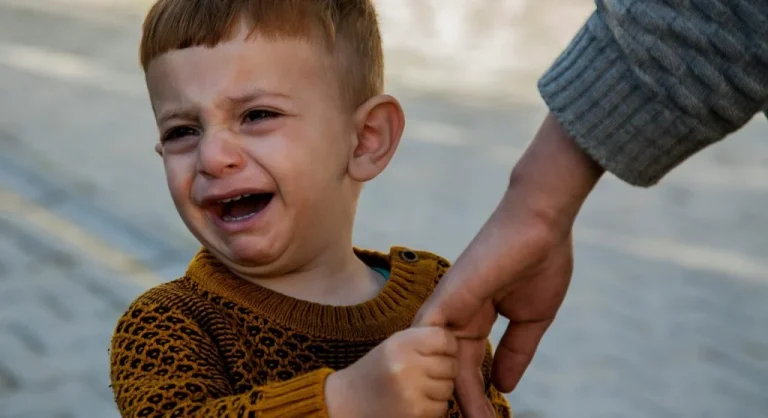
One reason self-control looks inconsistent is that emotion often moves more quickly than thought in childhood. Anger, excitement, fear, or disappointment can rise before the child has enough time to slow down and choose well. Adults may see the behavior and assume the child did not try. Often the child simply did not reach the pause soon enough.
Child behavior specialists generally note that the pause between feeling and action is still developing. That pause often begins very short and becomes stronger only through repetition and support. In many homes, children seem impulsive not because they want to ignore the rule, but because the rule is hard to reach once the emotional wave has already started.
Repeated Smaller Successes Often Matter More Than Perfect Behavior
Families sometimes hope improvement will look like a child suddenly staying calm in every hard moment. More often, progress appears in smaller ways. A child may stop a little sooner, wait a little longer, recover faster, or accept help with less resistance than before. These changes may look modest, but they often show that self-control is genuinely improving.
Development guidance often encourages adults to watch for repeated smaller successes instead of expecting full regulation right away. Each small success adds experience to the child’s growing sense of control. Over time, those repeated small wins can lead to much larger changes in daily behavior.
Children Often Need Adults to Lend Structure First
Self-control often develops first through adult support. A calm reminder, a repeated routine, a visible waiting system, or a simple next step can help children do what they are not yet ready to do entirely alone. Some adults worry this means the child is not really learning control. In practice, development specialists generally note that children often build independence by first borrowing structure from adults consistently.
When adults stay steady, children begin experiencing what regulated behavior feels like in manageable pieces. In many homes, this repeated outside structure gradually becomes internal structure. The child starts with help and later carries more of the control alone.

Tiredness and Stress Can Make Self-Control Look Worse Than It Is
Children often seem less regulated when they are hungry, tired, overstimulated, or emotionally stretched. A child who can manage waiting well one day may struggle badly the next because internal resources are lower. This can make growth look uneven even when progress is happening underneath.
Child development specialists generally note that self-control is shaped by condition as much as by learning. In many homes, what looks like backsliding is actually the child trying to use a still-developing skill under harder conditions. Repetition matters because it helps the skill strengthen enough to hold up better across more kinds of days.
Routines Often Help Self-Control Grow More Steadily
Children usually find it easier to control impulses when daily life contains repeated patterns. Predictable mealtimes, repeated cleanup steps, steady bedtime order, and familiar turn-taking routines reduce how much children have to figure out from scratch. That leaves more mental space for controlling behavior and less strain from uncertainty.
Family routine experts generally note that routines support self-control by lowering decision pressure. A child who knows what usually happens next often has an easier time using patience than a child who feels unsure of the whole situation. In many families, repeated routine is one of the strongest quiet supports for growing self-control.
Self-Control Usually Improves Slowly, Then More Clearly
Children often need more repetition before self-control starts to improve because the skill depends on many parts of development growing together. At first, progress may look hard to notice. The child still reacts quickly, forgets rules, or needs help often. Then, after enough repeated experiences, changes may become easier to see. The child pauses more, listens faster, or recovers with less help than before.
In many homes, self-control grows gradually through repeated ordinary moments rather than dramatic breakthroughs. The child learns, step by step, that strong feelings can be carried without acting on every impulse right away. Over time, this repeated practice helps self-control move from something fragile and inconsistent into something more reliable.
Key Takeaway
Children often need more repetition before self-control starts to improve because self-control depends on emotional regulation, impulse control, and repeated real-life practice. Knowing the rule is rarely enough on its own, especially when feelings rise quickly. Families often see the strongest growth through small repeated moments of supported waiting, stopping, and trying again. Over time, these ordinary experiences help self-control become steadier and easier for children to use.