
Why Children Often Need Time to Build Frustration Tolerance in Daily Life

Emotional Regulation Plays a Major Role
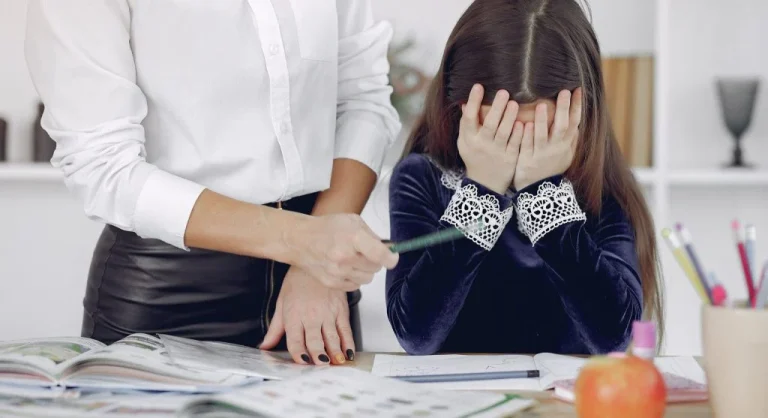
Frustration tolerance is closely tied to emotional regulation. A child who can notice strong feelings and recover from them more easily is usually better able to stay engaged during a difficult moment. A child who feels overwhelmed at the first sign of frustration is more likely to quit, protest, or react impulsively. This is why the same child might handle one challenge well on one day and respond very differently on another.
Development experts often point out that regulation shifts with hunger, fatigue, excitement, embarrassment, and overall stress. A child may have the emotional capacity to work through a challenging puzzle in the morning but struggle with a similar task after school. This kind of inconsistency is normal and often reflects the child’s overall state more than the difficulty of the task itself.
Children Usually Build Tolerance Through Small Recoveries
Frustration tolerance rarely develops through a single big lesson. It usually grows through many small moments when the child becomes upset, receives support, and gradually realizes that the feeling can pass without everything falling apart. A child who tries again after a mistake, waits through a brief disappointment, or accepts a change in plans with some guidance is building the foundation of this skill.
Family routine experts often note that progress shows up in these small recoveries. The child may still get upset, but the reaction may pass more quickly, lead to less quitting, or require less support than before. These gradual changes often signal that frustration tolerance is improving, even if the child is not yet handling every situation smoothly.
Adult Reactions Can Shape the Whole Experience
Children often learn how to respond to frustration by watching the adults around them. If an adult becomes highly reactive, quickly fixes every problem, or shows visible anxiety about the child’s distress, the child may have fewer chances to learn that the situation is manageable. In contrast, a calm adult who stays present without taking over completely can help the child stay regulated enough to try again.
Child development specialists often describe this process as co-regulation. The adult does not remove every difficult feeling but helps make the experience manageable. In many families, frustration tolerance develops most effectively when adults remain steady, offering support without turning every setback into a crisis or stepping in to solve every problem right away.
Predictable Daily Life Often Makes Hard Moments Easier
Children tend to handle frustration more smoothly when the rest of their day feels steady and organized. Consistent routines, enough sleep, regular meals, and calmer transitions all help preserve the emotional energy they need to deal with challenges. When the day already feels unsettled, even a small setback can feel overwhelming.
Family specialists often point out that frustration tolerance is shaped by the overall environment, not just direct teaching. A child who generally feels secure and not overloaded is more likely to cope with disappointment. This helps explain why everyday routines often have a bigger impact on emotional resilience than many adults expect.
Frustration Tolerance Usually Improves Slowly, Not All at Once
Many families hope that once a skill is explained clearly, children will stop having meltdowns. In reality, frustration tolerance tends to build gradually. A child may respond strongly to the same type of problem again and again before progress becomes noticeable. Over time, though, small changes appear—staying with a task a bit longer, accepting help more calmly, or recovering more quickly after disappointment.
Development guidance often encourages adults to look for steady progress rather than expecting complete calm in every difficult moment. Frustration tolerance is a developmental skill that grows through repeated experiences, support, and practice. In many homes, it strengthens step by step as children learn that challenges, discomfort, and temporary setbacks can be handled without giving up entirely.