Why Children Often Talk More During Side-by-Side Activities Than Face-to-Face Conversations
Many adults hope children will open up most clearly during direct sit-down conversations. In practice, child development and family communication specialists generally note that children often talk more during side-by-side activities than face-to-face conversations. A child who says very little during a formal talk may begin sharing thoughts while walking, coloring, building, cooking, riding in the car, or doing another calm task nearby. In many homes, the difference is not that the child suddenly has more to say. The difference is that the setting feels easier to talk inside.
This matters because adults often try to create communication by focusing attention directly on the child. That approach can work, yet it can also make conversation feel emotionally heavy, especially if the topic is difficult or the child already feels unsure. Development guidance often suggests that side-by-side activities lower pressure and help children speak more naturally because the activity carries part of the moment. Over time, these settings often support more honest, relaxed, and useful family communication.
Face-to-Face Conversation Can Feel Intense to Children
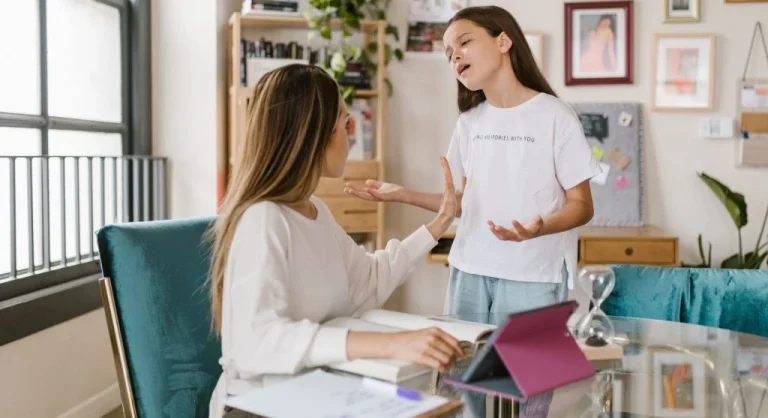
Adults often see direct conversation as respectful and clear. Children sometimes experience it as intense. Eye contact, a still body, a direct question, and a serious tone can make the child feel closely observed, especially if the topic involves behavior, school, friends, or emotions. Even when the adult is gentle, the setup can feel large in the child’s mind.
Child development specialists generally note that children are often highly sensitive to emotional pressure in conversation. A face-to-face setting may feel to them like a moment where the answer matters a great deal. In many homes, this pressure makes children shorter, quieter, or more defensive than adults expect.
Side-by-Side Activities Lower the Feeling of Being Watched
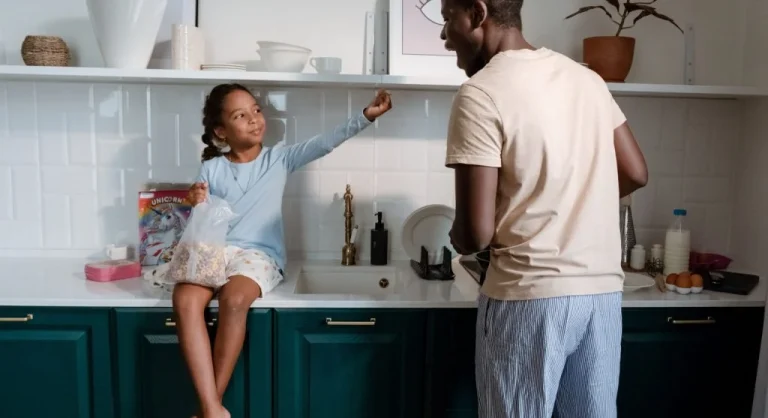
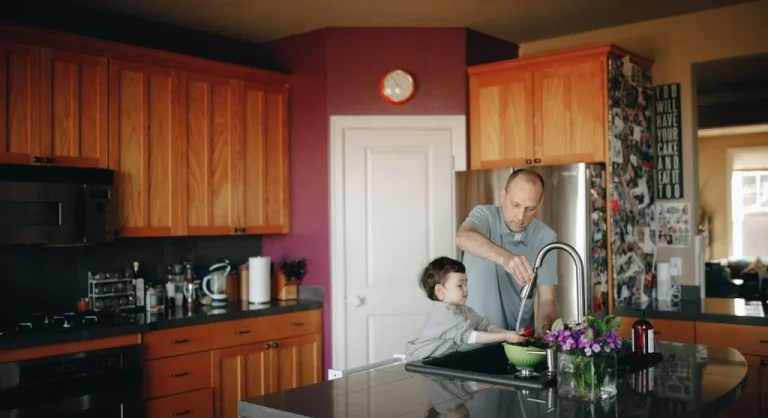
One reason children often talk more during side-by-side activities is that the child does not feel as visually focused on. When both people are walking, drawing, baking, folding laundry, or looking at the same game or project, the conversation no longer sits entirely on the child’s face and words. This can make speaking feel safer and less exposed.
Family communication experts generally note that many children open up more when they do not feel they are being studied. The side-by-side position changes the emotional shape of the interaction. The child may feel more freedom to say a little, pause, change the subject, or return to the thought later without the same intensity that comes with direct conversation.

The Activity Itself Helps Carry the Conversation
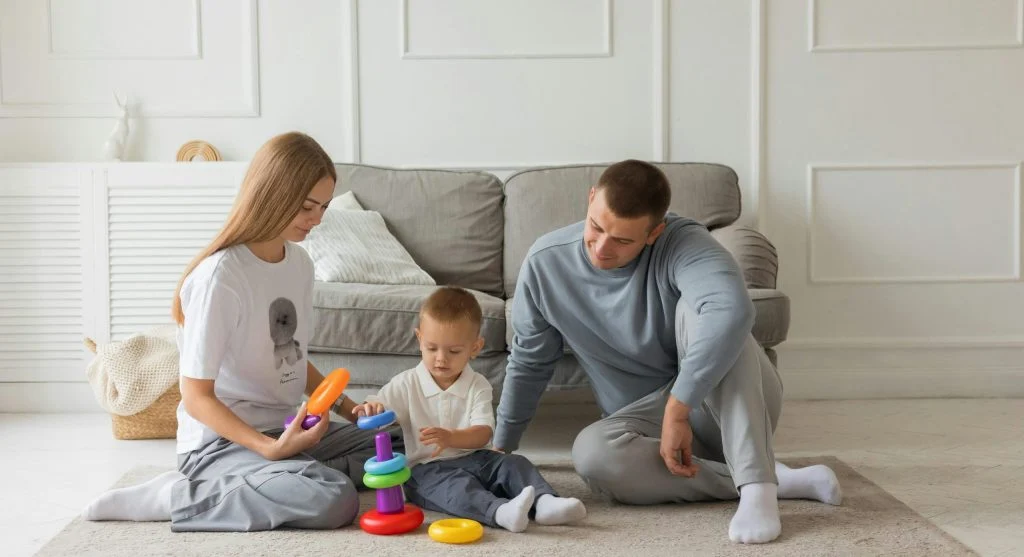
Children often talk more easily when the moment contains something else besides the conversation. A shared task provides rhythm, pauses, and a natural place for attention to rest. The child can stir, draw, stack, walk, or sort while thinking. This often makes the conversation feel less demanding because talking is not the only thing happening.
Development specialists generally note that children often express themselves more comfortably when language is woven into activity rather than standing alone. In many homes, the shared task acts like a bridge. It makes the conversation feel ordinary and manageable instead of turning it into a formal event the child must perform well inside.
Children Often Need Time to Find Their Words
Many children do not answer important questions quickly, especially when feelings are involved. They may need time to think, remember, and decide how to phrase what they mean. In a face-to-face conversation, silence can feel heavy. Adults may fill it with more questions or interpret it as resistance. During a side-by-side activity, silence often feels more natural because the activity continues even while the child is thinking.
Child development specialists generally note that this extra thinking space can make a big difference. A child who seems to have no answer at first may begin talking several minutes later once enough quiet time has passed. In many families, side-by-side settings support better communication because they give words more room to arrive gradually.
Side-by-Side Moments Often Feel Less Like Correction
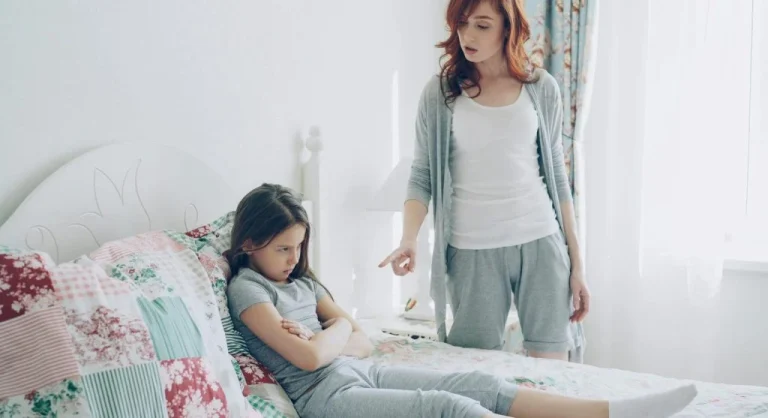
Children sometimes assume that direct serious talks mean they are in trouble or that something negative is coming. This expectation can shape the whole interaction before any question is even asked. A side-by-side activity often does not carry the same signal. The child may feel that the adult is simply being present rather than preparing a correction or lecture.
Family relationship specialists generally note that children often speak more openly when they do not feel they must defend themselves. A shared activity can reduce that defensive posture because the conversation feels woven into ordinary time instead of framed as a disciplinary event. In many homes, this helps children become more honest and less guarded.
Movement and Repetition Can Support Emotional Ease
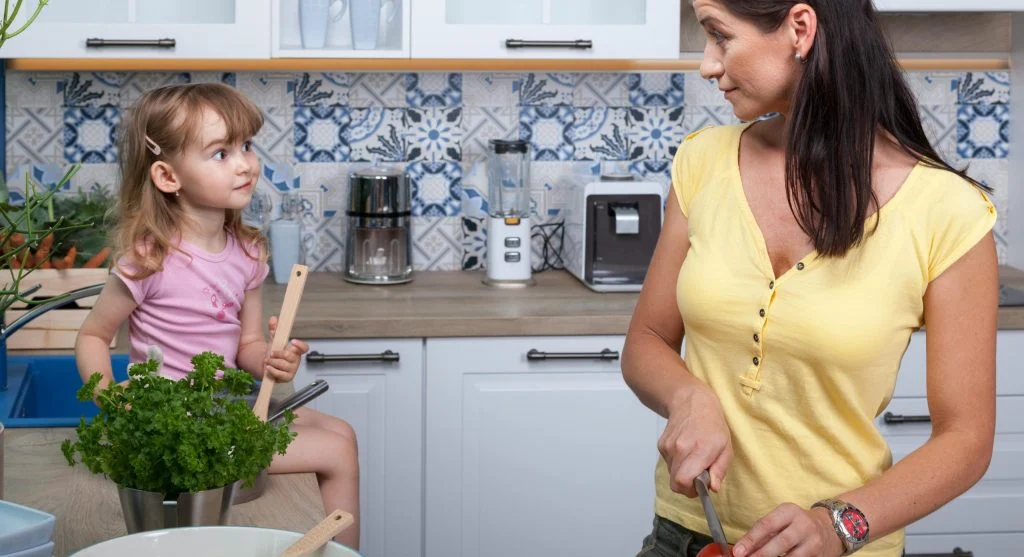
Some side-by-side activities include movement or repeated actions, and those patterns can help children regulate themselves while talking. Walking, swinging, kneading dough, coloring, sorting objects, or building with blocks can all create a steady rhythm. That rhythm may help lower tension and make harder topics feel slightly easier to approach.
Child behavior specialists generally note that regulation and communication are closely connected. Children often speak more clearly when the body feels calmer. In many homes, the success of side-by-side conversation is not only about avoiding eye contact. It is also about the calming effect of simple shared movement or repetitive action.
Children Often Reveal Things Indirectly Before Directly
When children talk during side-by-side moments, they do not always begin with the main issue. They may start with a small story, a funny detail, or something that seems unrelated. Adults may not always realize that these indirect openings can be an important way children approach bigger thoughts. The shared activity gives them time to circle toward what matters instead of saying it all at once.
Communication experts generally note that children often speak in layers. A side-by-side setting can support this pattern because the conversation does not feel rushed toward a neat conclusion. In many families, important information appears gradually in these ordinary moments rather than all at once in a formal talk.
Side-by-Side Communication Often Builds Trust Over Time
Repeated shared activities can teach children that conversation does not only happen during conflict, correction, or crisis. When talking grows naturally out of walks, errands, simple projects, or quiet home routines, children may begin to trust that communication belongs inside everyday life. This repeated pattern often strengthens connection because the child learns that opening up does not always require a big emotional event.
Family communication specialists generally note that trust is often built through ordinary repeated conversations more than through one dramatic talk. In many homes, side-by-side time becomes one of the safest places for children to share school worries, friend problems, questions, and small pieces of their inner life. Over time, that repeated safety can strengthen the overall relationship.
Children Often Talk More When Conversation Feels Like Company
Children often talk more during side-by-side activities than face-to-face conversations because the setting makes communication feel lighter, safer, and less exposed. The activity carries part of the pressure, the body often feels more regulated, and the child has more room to think before speaking. What emerges may be quieter than a formal talk, but often more genuine.
In many families, stronger communication begins not when adults ask children to sit down and explain everything, but when they share ordinary moments closely enough for words to appear on their own. Over time, these side-by-side conversations can become some of the richest and most reliable forms of family connection.
Key Takeaway
Children often talk more during side-by-side activities than face-to-face conversations because shared tasks lower pressure and make speaking feel less exposing. Activities such as walking, drawing, cooking, or driving together can create the calm rhythm children often need to find their words. Families usually hear more relaxed and honest conversation when the moment feels like shared company instead of a formal talk. Over time, side-by-side communication can become one of the strongest ways to build trust and everyday closeness.