Why Children Often Handle Turn-Taking Better When the Order Is Clear Before Play Starts
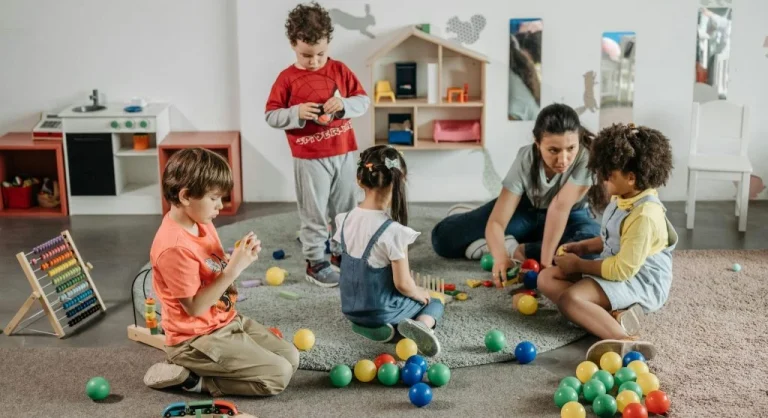
Many everyday family conflicts begin long before anyone argues. They often start at the very beginning of play, when two children want the same toy, game, seat, or role and no one is fully sure how turns will work. Child development specialists generally note that children often handle turn-taking better when the order is clear before play starts because a clear sequence lowers uncertainty and makes waiting easier to understand. In many homes, the struggle is not only about wanting the toy. It is also about not knowing what happens first, what happens next, and whether a turn will really come.
This matters because turn-taking depends on more than kindness. Children often need impulse control, patience, emotional regulation, and trust in the fairness of the situation. When the order stays vague, those skills become much harder to use. Development guidance often suggests that children usually manage shared play more smoothly when adults make the turn order visible early instead of trying to repair the conflict only after emotions rise. Over time, this often leads to calmer play, fewer power struggles, and stronger social confidence.
Unclear Turn Order Often Creates Stress Before Play Even Begins
Adults sometimes assume children should naturally work out turns on their own once everyone knows sharing matters. In practice, many children become tense very quickly when the starting point feels uncertain. If both children reach for the same item at once, the lack of a clear order can make the moment feel unfair immediately. That sense of unfairness often triggers protest before any real play has even happened.
Child development specialists generally note that children are highly sensitive to fairness but still learning how to create it for themselves. A clear turn order helps because it reduces the emotional guessing. Instead of wondering who will get the first chance, the child can begin with a more stable picture of how the play is going to work.
Children Often Wait Better When They Trust That Their Turn Is Real
Waiting is difficult for many children, but waiting becomes even harder when the child is not confident that the promised turn will actually happen. A vague message such as “wait a little” or “you can have it later” may not feel solid enough to trust, especially when the toy or activity is already in someone else’s hands. The child may keep pushing because uncertainty remains high.
Family behavior experts often explain that children are more willing to wait when the sequence feels concrete. A clear order communicates that the child’s turn exists in a real way, not just as an adult’s attempt to calm the situation. In many homes, this makes the waiting period easier to tolerate because the child is no longer waiting inside confusion alone.
Turn-Taking Usually Depends on Predictability More Than Adults Expect
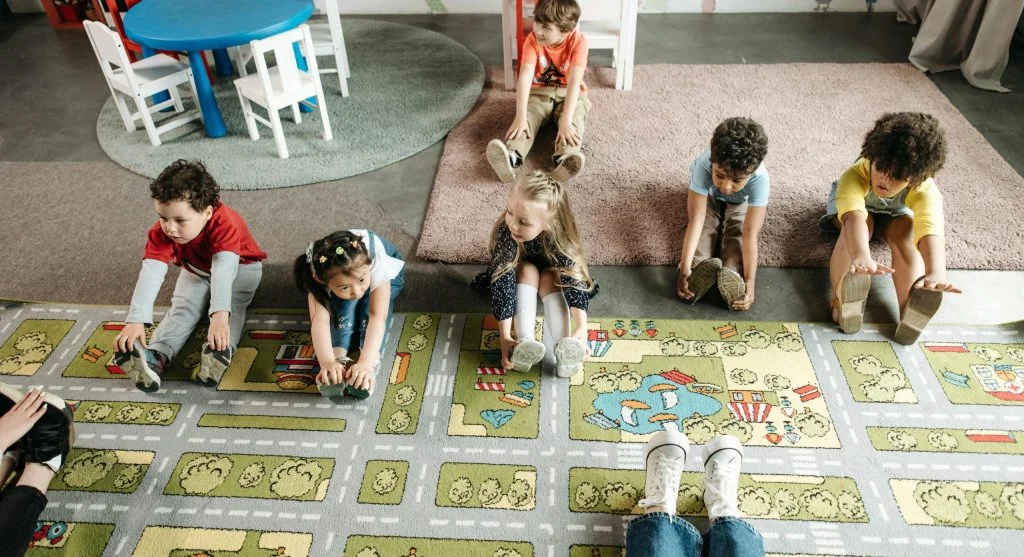
Children often use predictability to manage difficult feelings. A child may still dislike waiting, but predictability can make the waiting feel more manageable. If the order is announced clearly before play begins, the child has less need to keep testing the situation. The child can focus more on when the turn will come and less on whether the adult will change the plan or miss the problem altogether.
Development specialists generally note that predictable systems help children use self-control because they lower mental strain. When the child does not have to keep checking for fairness, more energy remains available for patience and emotional control. In many homes, this is one reason shared play goes better when the rules are settled early.
Children Often Become Less Defensive When the Rule Does Not Feel Personal
When adults decide turn order only after conflict begins, children may experience the decision as personal. One child may feel chosen against, and the other may feel suddenly blamed for enjoying the toy first. This can make the adult’s guidance feel reactive rather than fair. By contrast, when the order is clear before emotions rise, the structure often feels more neutral.
Family communication specialists generally note that children respond better when a limit or sequence feels built into the play rather than invented during an argument. A pre-decided order reduces the chance that children will see the adult as taking sides. In many families, this lowers defensiveness because the children are responding to structure, not only to adult frustration.
Clear Order Helps Children Shift From Grabbing to Expecting
Without a known sequence, many children rely on the fastest available strategy: grabbing, insisting, or staying physically close so the opportunity cannot be lost. These behaviors often look like pure aggression or selfishness, yet they can also reflect uncertainty. If the child does not know how turns are being handled, physical control may feel like the only reliable option.
Child behavior specialists generally explain that children often calm down when the situation moves from competition to expectation. A clear order helps make that shift. The child no longer has to secure the turn physically because the order has already made space for it. In many homes, this changes the tone of play from defensive to more cooperative.
Simple Turn Systems Often Work Better Than Long Explanations
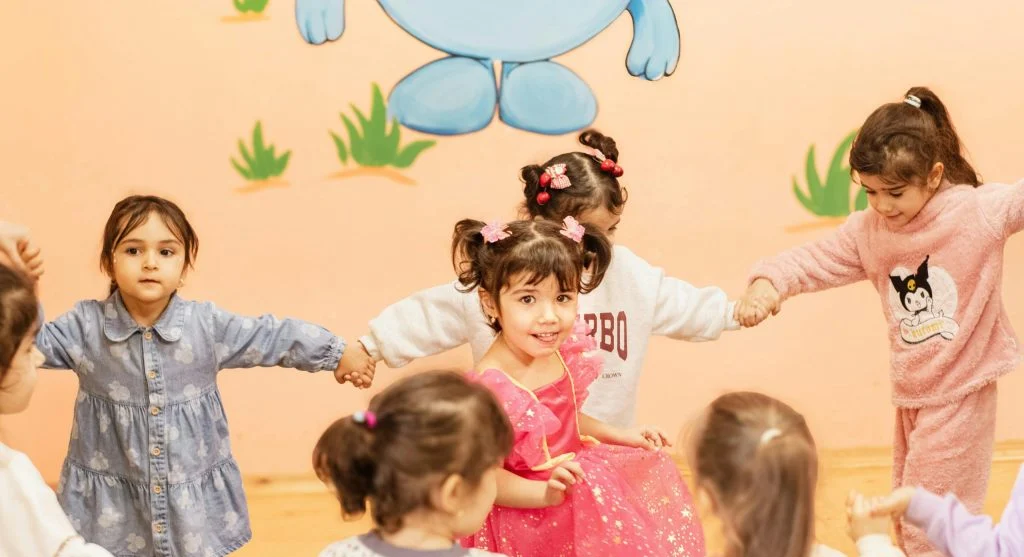
Children usually do not need complicated speeches about fairness in the middle of play. They often benefit more from a simple order they can understand immediately. This may involve choosing who starts, identifying who goes next, or making the sequence obvious enough that both children can picture it. The clearer the system, the less room there is for argument about what was meant.
Development experts generally note that children use simple structure more effectively than long verbal reasoning during emotional moments. A short explanation given before play starts is often easier to trust than a long lecture delivered after grabbing has already begun. In many homes, clear and simple systems support smoother play because children can hold the rule in mind more easily.
Children Often Learn Social Confidence From Repeated Fair Play Experiences
Turn-taking is not only about avoiding fights. It is also part of how children learn that shared social experiences can feel fair and manageable. Each time children move through a clear sequence and discover that waiting leads to a real turn, they build more trust in the process. That trust often matters in later play situations too.
Child development specialists generally note that children gain social confidence through repeated success, not only through instruction. A child who repeatedly experiences structured fair turns may begin approaching shared play with less tension and less need to control everything. Over time, these experiences can support better peer interaction and more flexible behavior around shared activities.
Clear Turn Order Often Helps Adults Intervene Less
Families sometimes feel exhausted by constant disputes over whose turn it is. One reason these conflicts repeat is that the structure around play remains uncertain enough that adults must step in again and again. Clear turn order can reduce that strain by preventing some of the conflict before it starts. The adult no longer has to solve the same fairness question repeatedly in the middle of rising emotion.
Family routine experts generally note that children respond better when the environment carries part of the structure. A clear turn system does exactly that. In many homes, this makes shared play feel calmer not only for children, but for adults too, because fewer moments turn into urgent referee work.
Turn-Taking Often Improves When the Beginning Is Organized
Children often handle turn-taking better when the order is clear before play starts because clarity lowers uncertainty, reduces defensiveness, and helps waiting feel fairer. A child who knows what the sequence is usually has a better chance of using patience than a child who is still trying to discover whether the turn will happen at all. In many families, smoother sharing begins not in the middle of conflict, but in the calm setup before the first turn even starts.
Over time, repeated fair and visible turn order can help children approach shared play with more trust and less urgency. That does not mean every play session becomes perfect. It means the emotional ground becomes steadier enough for children to practice waiting, sharing, and cooperating with greater success.
Key Takeaway
Children often handle turn-taking better when the order is clear before play starts because clear sequence reduces uncertainty and helps children trust that waiting will lead to a real turn. Vague turn systems often create tension before play even begins, while visible order helps children use patience more effectively. Families usually see calmer shared play when adults make the starting order simple and clear from the beginning. Over time, repeated fair turn-taking experiences can strengthen both social confidence and everyday cooperation.