Why Children Often Feel More Connected When a Family Tradition Begins the Weekend the Same Way
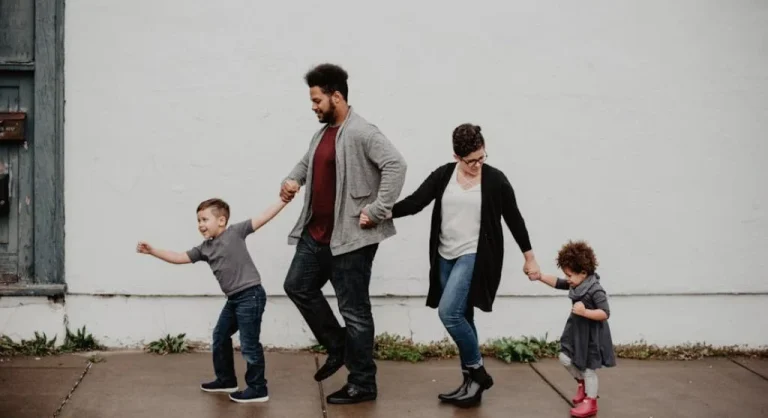
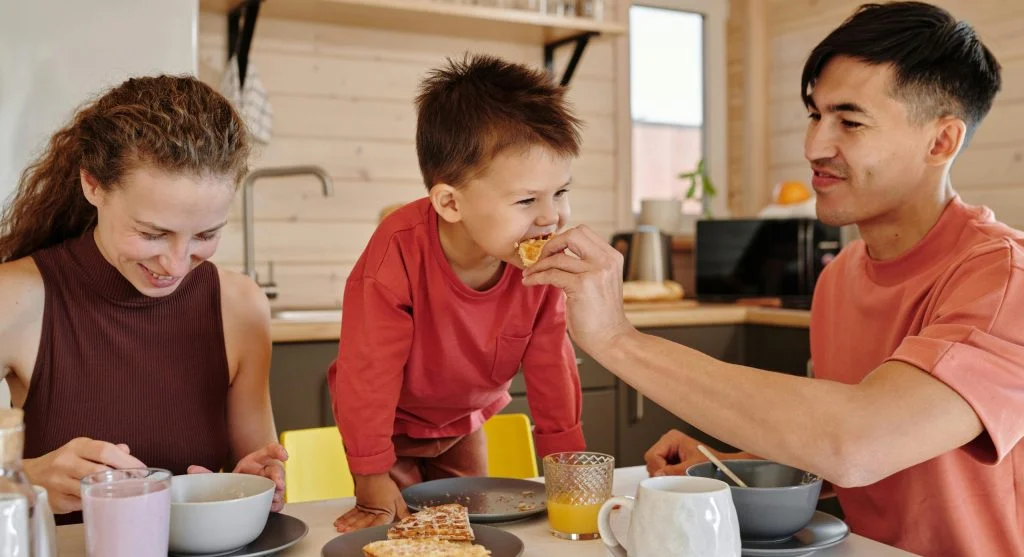
Families often think closeness grows most through large outings, holidays, or special celebrations. Those experiences can matter, yet family relationship specialists generally note that children often feel more connected when a family tradition begins the weekend the same way. A repeated Saturday breakfast, one familiar morning walk, a weekly baking routine, or a quiet shared cleanup followed by play may seem small to adults, but these recurring beginnings often become powerful emotional anchors for children. In many homes, the value comes not from excitement alone, but from how reliably the family steps into the weekend together.
This matters because children often experience the week as a series of demands, transitions, and changing expectations. School, homework, activities, and early mornings can create a strong weekday rhythm, even when family life is warm and stable. Development guidance often suggests that a repeated weekend opening helps children feel the shift into a calmer family mode. Over time, one predictable weekend-start tradition can support belonging, emotional security, and a stronger sense that family life includes dependable moments of togetherness that return again and again.
A Repeated Weekend Beginning Gives Children a Clear Sense of Return
Children often do well with emotional landmarks. A recurring tradition at the start of the weekend can act as one of those landmarks by telling the child that the faster, more structured part of the week has ended and a different family rhythm is beginning. This can feel especially meaningful because children may not always express how strongly they feel the shift between weekday demands and weekend space.
Family specialists generally note that repeated beginnings matter because they help children understand time through lived experience. A weekend tradition does not only mark a schedule change. It marks an emotional return point. In many homes, children come to trust the feeling that this familiar family moment means the week has turned and togetherness is beginning in a recognizable way.
Children Often Feel Safer When Family Time Starts Predictably
Adults may enjoy spontaneity on weekends, but children often find comfort in knowing how the family usually begins that time. If the first part of the weekend changes wildly from one week to the next, children may have more difficulty settling into it. A repeated tradition helps because the emotional setting is easier to predict. The child often knows what the activity feels like, who is involved, and how the morning or evening usually unfolds.
Child development specialists generally note that predictability supports relaxation. When children do not have to spend energy adjusting to a new plan every weekend, they often have more room for connection. In many families, this makes the repeated tradition feel more emotionally valuable than a more elaborate plan that changes all the time.
Repeated Traditions Often Help Children Shift Out of Weekday Stress
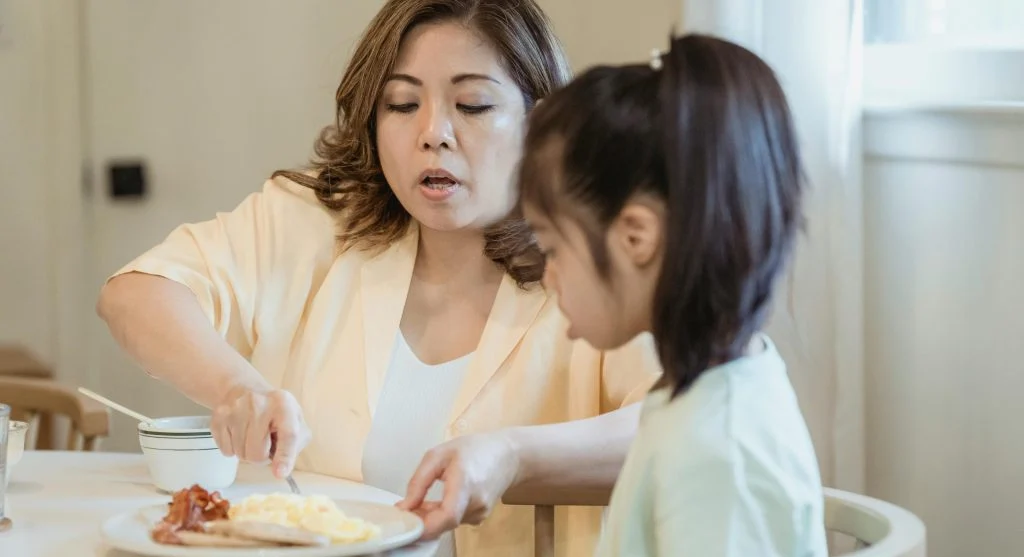
Many children carry the emotional tone of the week longer than adults realize. Even when school is going well, the accumulated pressure of early mornings, classroom expectations, social demands, and homework can leave a child mentally full by the time the weekend begins. A repeated family tradition can help ease that carryover by giving the child a familiar, lower-pressure space to enter right away.
Family relationship experts generally note that children often need a visible signal that the family mood has changed. A weekend-start ritual can provide that signal. The child moves from weekday structure into weekend connection through something already known. In many homes, this helps children settle faster because the family is not only announcing that the weekend has begun. The family is showing it through a repeated shared moment.
Children Often Remember the Feeling of the Tradition More Than the Details
Adults sometimes focus on what exactly the family does at the start of the weekend, but children often remember how it feels. They may remember that Saturday mornings felt warm, that one breakfast always meant everyone slowed down, or that the weekend began with a calmer tone than the rest of the week. The emotional pattern often becomes more important than the exact activity.
Development specialists generally note that repeated emotional experiences shape childhood memory strongly. This is one reason small family rituals often stay with children longer than adults expect. In many homes, the child is not simply remembering pancakes, a walk, or a game. The child is remembering the feeling of family life settling into something more relaxed and connected.
Weekend Opening Rituals Often Make Belonging Visible
A strong family tradition often works because it shows children that they have a clear place inside family life. A repeated weekend beginning can make that belonging visible. The child may know who stirs the batter, who chooses the music, who sets the table, who picks the book, or what part of the activity belongs to them. These small repeated roles can make the tradition feel deeply personal.
Family psychology experts generally note that belonging grows through participation, not only presence. When children know how they fit into a repeated ritual, the experience often becomes more emotionally meaningful. In many families, this is one reason a simple weekly tradition can feel so strong. The child is not just there. The child is part of how the family begins that time together.
Simple Repeated Traditions Often Create More Calm Than Big Plans
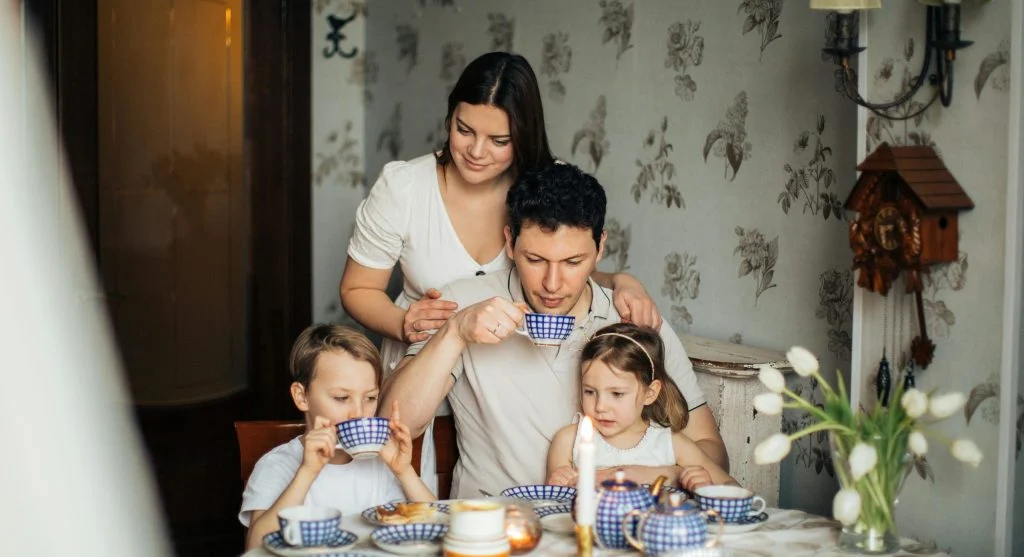
Large weekend outings can be enjoyable, but they may also bring rushing, crowds, preparation, travel, and unpredictable mood shifts. A small repeated opening tradition often carries less pressure. Because it is already familiar, the family can move into it without so much planning or emotional effort. That often leaves more room for actual closeness.
Family routine experts generally note that children often connect most deeply in low-pressure repeated settings. The child does not have to perform, impress, or adjust to too much novelty. In many homes, this is why a modest tradition that starts the weekend well can feel more emotionally grounding than bigger plans that happen only sometimes.
Repeated Weekend Beginnings Often Help the Whole Family Regulate
Children are not the only ones helped by a familiar family tradition. Adults often feel calmer too when one part of the weekend opens in a known and repeated way. A predictable starting ritual can reduce decision fatigue, soften the emotional shift from a busy week, and create an easier path into shared time. That calmer adult energy often supports children as well.
Family communication specialists generally note that children are strongly affected by household tone. In many homes, a repeated tradition helps set that tone early. The family moves into the weekend with a shared rhythm rather than with scattered choices and rising stress. Over time, this can make the tradition feel even more valuable because it supports the emotional climate of the whole home.
Children Often Feel More Connected When the Weekend Begins With Something They Can Count On
Children often feel more connected when a family tradition begins the weekend the same way because repeated openings create familiarity, trust, and a clear sense of togetherness. The tradition helps mark time, reduce weekday carryover, and show children that family connection is not random. It has a place in the weekly rhythm that returns dependably.
In many families, stronger connection does not begin with bigger plans. It begins with protecting one small repeated moment well enough that children can rely on it. Over time, that familiar start can become one of the clearest emotional anchors of childhood and one of the quiet ways family life teaches safety, belonging, and comfort.
Key Takeaway
Children often feel more connected when a family tradition begins the weekend the same way because repeated beginnings create familiarity, emotional security, and a dependable sense of togetherness. Simple weekend-opening rituals often matter more than adults expect because they help children shift out of weekday pressure and into family connection. Families usually build strong long-term memories through traditions that are easy to repeat and emotionally easy to enter. Over time, one steady weekend-start tradition can become a lasting source of comfort and belonging.