Why Children Often Leave the House More Easily When the Shoes Are Waiting at the Door Before the Reminder
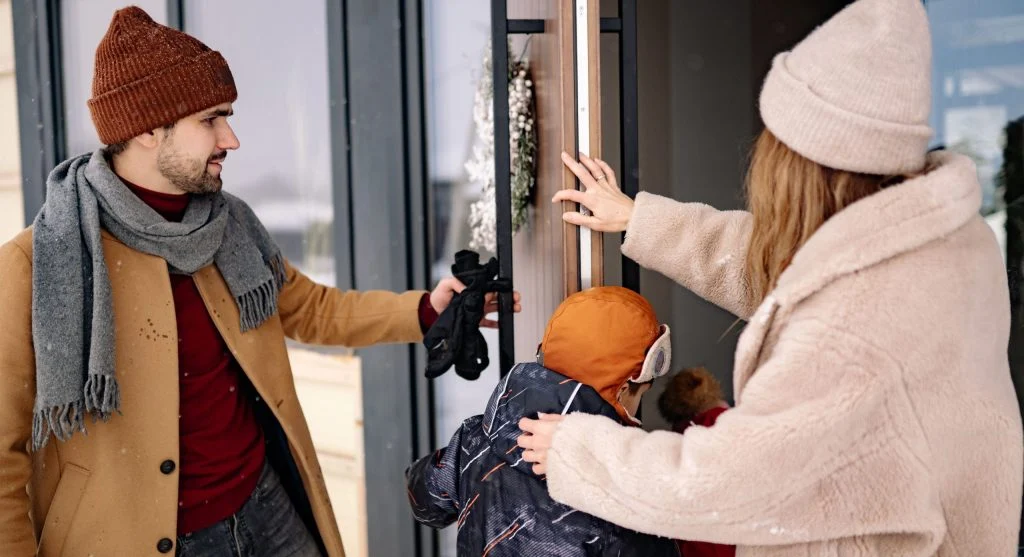
Leaving the house can become one of the most stressful parts of family life, even when the outing itself is simple. A child who seemed calm moments earlier may suddenly disappear, argue, sit down, get distracted, or act as though putting on shoes is an enormous demand. Parenting specialists generally note that children often leave the house more easily when the shoes are already waiting at the door before the reminder because the transition starts in the environment before it becomes a verbal command. In many homes, the problem is not only resistance to going out. The problem is the last-minute scramble that makes the whole process feel abrupt and heavy.
This matters because children usually move more smoothly through routines when the next step is physically visible before adults start pushing it with words. Development guidance often suggests that practical setup can reduce emotional friction by making the task easier to enter. Shoes already at the door, lined up and ready, quietly tell the child what comes next. Over time, this can lower conflict, reduce delay, and make departures feel more like a known routine and less like a sudden demand dropped into the middle of play or rest.
Leaving the House Often Feels Bigger to Children Than It Looks to Adults
Adults usually think of leaving as one simple transition. In reality, children often experience it as a chain of small disruptions. Stop playing. Find shoes. Sit down. Put them on. Accept that the current activity is ending. Move toward the door. Tolerate the shift into a new place or plan. What looks brief from an adult point of view can feel much larger from a child’s point of view.
Child development specialists generally explain that resistance often rises when several small demands stack up at once. In many families, a child who seems unwilling to leave is actually reacting to the buildup of multiple transitions packed tightly together.
Shoes at the Door Create a Visible First Step
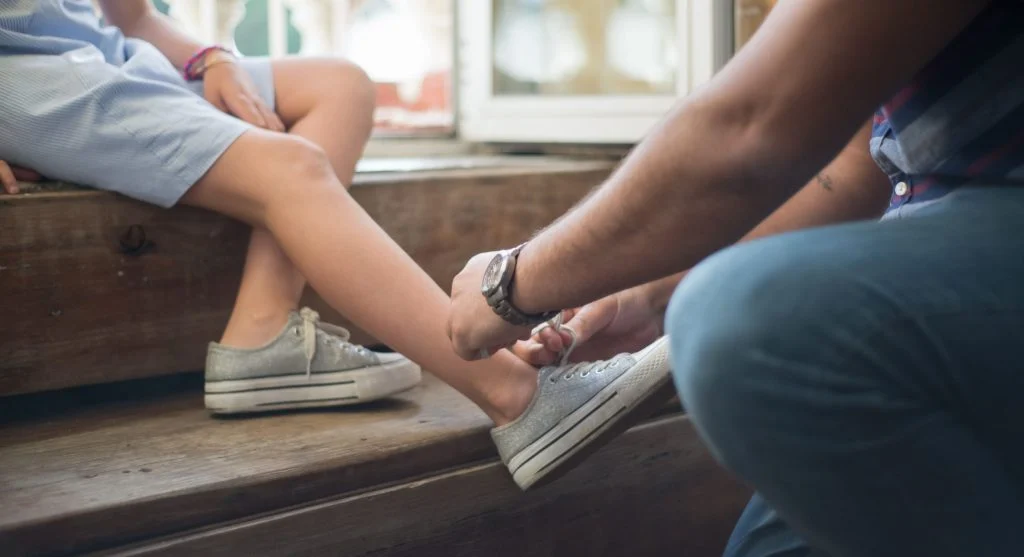
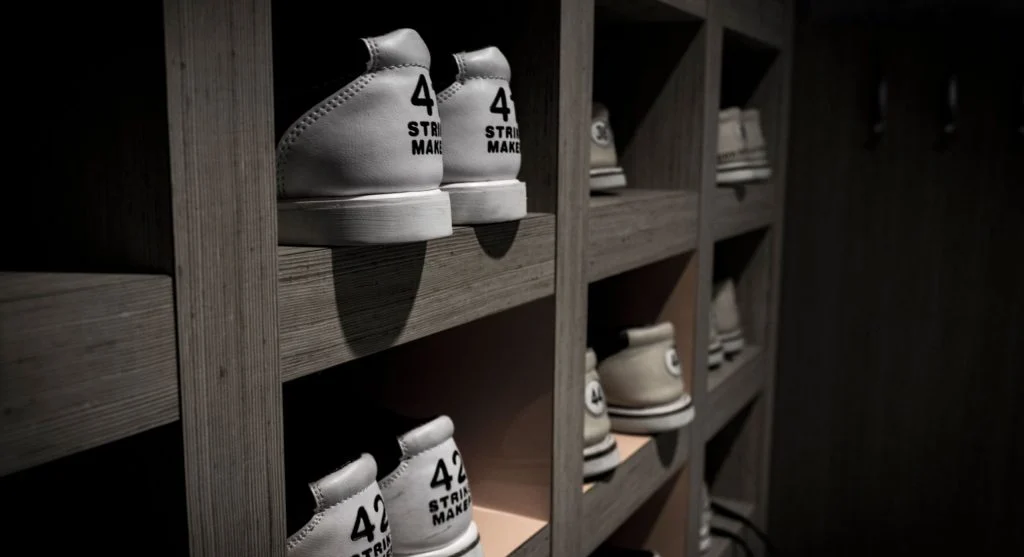
One reason this setup helps is that it answers the child’s first practical question before it ever needs to be asked. Where are the shoes? That problem is already solved. The routine no longer begins with searching, calling out, or retracing steps through the house. It begins with something concrete and ready.
Family routine experts generally note that children cooperate more readily when the first step is visible and easy to picture. In many homes, shoes at the door change the mood of the transition because the child is not facing a vague instruction to “get ready.” The routine has already taken shape.
Prepared Shoes Reduce the Chance for Last-Minute Drift
Many leaving-the-house struggles are made worse by wandering. A child goes to look for shoes and gets distracted by a toy, a book, a sibling, or another room. What should have been one short step turns into a chain of delays. Shoes already by the door reduce the distance between reminder and action, which means there is less room for attention to drift away.
Development specialists generally explain that children often do better when routines are shortened physically as well as verbally. In many homes, this is why the departure becomes smoother. The child does not have to cross half the house and manage temptation along the way just to begin.
Children Often Cooperate Better When the Exit Feels Expected
A pair of shoes waiting at the door works as more than an organizational trick. It also acts as a cue that the family is entering a leaving routine. Long before the adult says much, the child can see that a transition is coming. That early cue often softens the shock of “we’re leaving now” because the body has already started noticing signs that departure is near.
Child behavior experts generally note that children often resist less when transitions are foreshadowed by the environment. In many homes, the shoes become one of those signals that helps the child prepare emotionally before words add pressure.
This Can Make the Reminder Sound Smaller and Calmer
When nothing is ready, the reminder to leave the house often has to carry too much weight. The parent must explain, direct, and repeat. When the shoes are already waiting, the reminder can be much simpler. The adult no longer has to build the whole transition out of words alone because part of the structure is already sitting there at the door.
Parenting specialists generally note that children respond better when adults sound steady rather than urgent. In many families, the tone of the leaving routine improves because the environment is doing some of the work that words were previously forced to do.
Prepared Shoes Often Support Better Body Momentum
Children often need body momentum to move into a transition. Once they walk toward the door, sit down, and begin putting on shoes, the rest of leaving becomes much easier. The problem is that momentum is fragile at the beginning. Shoes already placed at the exit help the body move toward a clear action quickly, which can change the rhythm of the entire departure.
Development guidance often suggests that routines work better when the body enters motion before too much internal debate begins. In many homes, the shoes by the door help because they create the easiest possible launch into the leaving sequence.
This Strategy Helps With Everyday Outings, Not Just Busy Mornings
Although school mornings may be the most obvious example, this habit can help with many types of departures. Going to the park, visiting grandparents, leaving for a class, heading to the grocery store, or stepping out for dinner can all trigger the same last-minute resistance. Shoes waiting at the door create a stable pattern that works across many kinds of exits.
Family routine experts generally note that children benefit most from supports that repeat across situations. In many homes, the effect grows stronger because the child starts associating ready shoes with a familiar and manageable transition rather than one specific schedule only.
Parents Often Stay Calmer When the Leaving Routine Begins Earlier
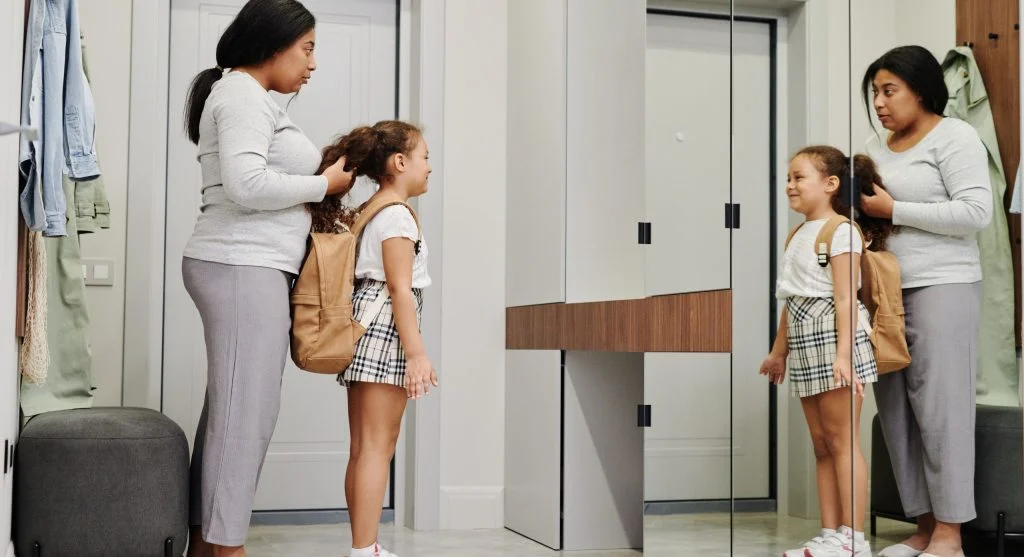
This small setup step can help adults almost as much as children. Parents often feel stressed not only by resistance itself, but by the sense that everything happens too late. Once shoes are placed at the door ahead of time, the routine begins earlier and with more control. That can lower adult irritation and reduce the temptation to speak in sharper tones.
Parenting experts generally explain that children respond strongly to adult emotional pace during transitions. In many families, departures become easier because the parent is no longer reacting to last-minute chaos and instead feels one step ahead of it.
This Does Not Remove Every Leaving-the-House Struggle
Some children still find departures hard because of tiredness, disappointment, sensory discomfort, or anxiety about where they are going. Shoes by the door will not solve every part of that. Yet small environmental supports often matter more than they first appear because they reduce one layer of friction that can otherwise combine with everything else.
Child development specialists generally note that smoother family routines usually come from several small helpful structures rather than one dramatic fix. In many homes, ready shoes simply remove one common obstacle that used to make the whole transition worse.
Simple Setup Often Works Better Than More Repetition
Parents naturally repeat reminders when children do not move. Sometimes more words help, but often the child does not need another explanation. The child needs a simpler entry into action. Shoes waiting at the door provide that entry. The routine is easier to start because less searching, less wandering, and less mental organizing are required from the child in the hardest first moments.
Family communication specialists generally note that children often respond better to structure than to repeated correction. In many families, the leaving routine improves because the setup has changed, not because the speeches have become longer.
Why Children Often Leave the House More Easily
Children often leave the house more easily when the shoes are waiting at the door before the reminder because the transition becomes clearer, shorter, and less overwhelming. The first practical step is already ready, the routine feels more expected, and the child can move into action with less drift and less friction. That often changes departure from a stressful scramble into a more manageable family rhythm.
In many homes, smoother exits do not begin with stronger reminders. They begin with better preparation. Over time, one simple habit of placing shoes at the door can make leaving the house calmer, quicker, and much easier for both children and parents.
FAQ
Why do shoes at the door make such a difference?
Because they reduce searching, shorten the transition, and make the first step of leaving visible before the child is asked to act.
Does this only help during school mornings?
No. It can help with many kinds of outings, including errands, activities, family visits, and everyday trips out of the house.
Will this stop all leaving-the-house resistance?
Not always. Some children still struggle for other reasons, but this setup can reduce one common source of delay and frustration.
Should parents still give a verbal reminder to leave?
Yes. The reminder still matters, but it often works better when the environment already supports the next step.
Internal Linking Suggestions
Link this article to posts about calmer morning routines, reducing family transition stress, helping children cooperate before outings, organizing front-door spaces, and practical home setup tips for smoother daily routines.
Key Takeaway
Children often leave the house more easily when the shoes are waiting at the door before the reminder because the first step becomes visible, simple, and easier to begin. A prepared exit cue can reduce wandering, lower emotional friction, and make departures feel more expected instead of suddenly imposed. Families often improve stressful transitions through small environmental changes rather than more repeated instructions. Over time, this simple shoe-by-the-door habit can make leaving the house calmer for everyone.