
Why Children Often Return to Old Comfort Habits Right Before a New Developmental Leap
Many parents feel concerned when a child who seemed to be growing more independent suddenly becomes clingier, seeks extra reassurance, or returns to an old comfort habit. A child who no longer needed a favorite blanket may start asking for it again. A child who had been managing tasks independently may suddenly want more help, extra cuddles, or additional comfort at bedtime. Child development specialists generally note that children often revisit familiar comfort habits just before a new developmental leap because periods of growth can temporarily increase emotional needs. In many families, what appears to be a step backward is actually part of the child’s process of gathering security before moving forward.
This matters because adults often expect development to move steadily in one direction. In reality, childhood growth frequently unfolds in waves. Just before a noticeable cognitive, emotional, social, or physical change emerges, some children briefly lean more heavily on familiar sources of comfort. Development guidance often suggests that these returns to old habits do not necessarily signal a problem. Instead, they may reflect a child’s effort to stay emotionally regulated while navigating important internal changes.
Development Often Looks Uneven Before It Looks Stable
Adults often picture development as a straight path: a child learns a skill, masters it, and then moves on. Childhood growth is rarely that simple. Skills often appear, fluctuate, strengthen, and gradually become more consistent. The same pattern applies to independence. A child may behave very maturely for weeks and then suddenly seem younger or more dependent in certain situations.
Child development experts generally explain that this unevenness is normal because growth places demands on multiple developmental systems at once. In many homes, a child’s return to a familiar comfort habit does not represent a true loss of progress. Instead, it often serves as a temporary adjustment period while other areas of development continue advancing.
Old Comfort Habits Often Return When Children Feel Internally Busy
Children do not always have the language to explain when something inside them feels different. They may be processing stronger emotions, developing new language skills, becoming more socially aware, or adjusting to changes in their bodies without fully understanding what is happening themselves.
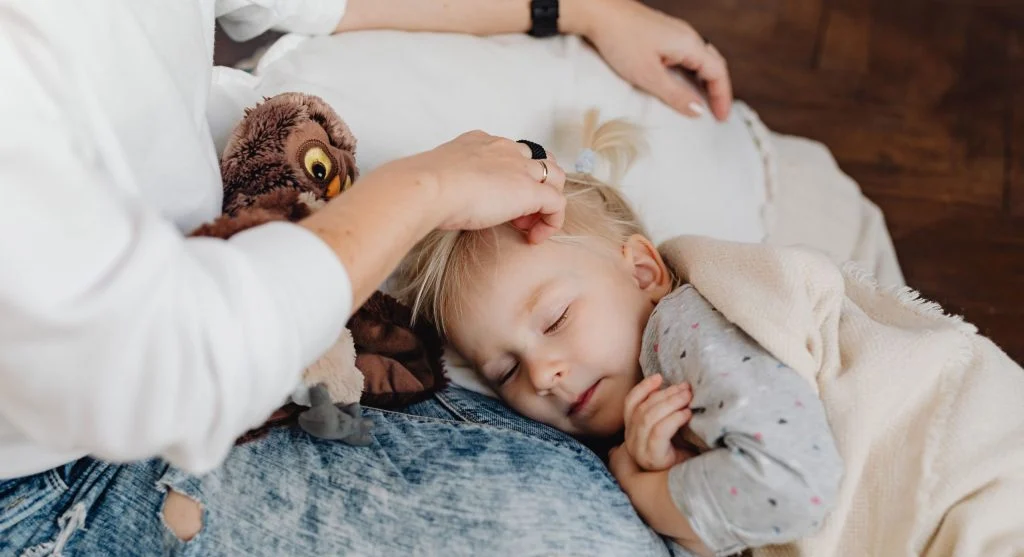
During these periods, familiar comfort habits often return because they provide predictability and emotional stability. Family relationship specialists generally note that children frequently reach for familiar sources of comfort when their internal world feels crowded or uncertain. In many households, a favorite stuffed animal, bedtime routine, special cup, or extra closeness with a parent becomes important again because it offers reassurance while development continues beneath the surface.
Comfort Habits Can Serve as Emotional Anchors
One reason comfort habits reappear is that they often function as emotional anchors. They help children feel that something remains familiar and secure even when new challenges or developmental demands are emerging.
A blanket, for example, may represent much more than a simple object. It may symbolize safety, rest, and predictability. Similarly, a child asking for extra help may not be avoiding independence. They may simply be seeking connection and reassurance while feeling less emotionally steady.
Development specialists generally explain that children often grow most successfully when some aspects of life remain consistent during periods of change. In many families, the return of a comfort habit is not evidence of immaturity. Rather, it reflects the child’s effort to maintain balance while continuing to grow.
Children Often Need More Security Before New Independence Emerges
At first glance, it may seem contradictory that children become more dependent just before displaying new independence. However, this pattern is common in development. Before moving forward in one area, children often need additional reassurance in another.
Child development specialists generally note that independence and security are not opposites. In fact, they often work together. Children frequently move toward new challenges from a secure emotional base. In many families, increased comfort-seeking appears shortly before meaningful progress in language, self-regulation, learning, social development, or personal independence. The child is not moving away from growth—they may be gathering the support needed to embrace it.
Regression-Like Behaviors Are Often Smaller Than They Appear
It is natural for parents to worry when a child returns to an old habit. At first, it may seem as though recent progress is disappearing. However, these phases are often more limited than they initially appear.
A child may seek extra comfort only at bedtime, after school, or during a stressful period. This differs significantly from losing developmental skills across multiple areas of life. Child behavior experts generally explain that temporary returns to old habits are often situational rather than widespread. In many homes, children continue demonstrating their newer abilities throughout most of the day while needing additional support in one specific area.
Emotional Growth Can Temporarily Increase Vulnerability
As children mature, they often become more aware of relationships, expectations, disappointments, frustrations, and separation. While this increased awareness is an important part of development, it can temporarily make life feel more emotionally challenging.
Family communication experts generally note that children sometimes appear more sensitive right before becoming more capable. In many homes, an old comfort habit returns not because the child is less developed, but because they are becoming more emotionally aware and therefore need additional stability for a period of time.
Parents Often Help Most by Staying Calm
The way adults respond can significantly influence how manageable these phases become. When parents react with frustration, alarm, or shame, children may begin to feel that their need for comfort is somehow wrong.
A calm and balanced response often works better. This does not mean parents must maintain every comfort habit indefinitely. It simply means recognizing the temporary need for reassurance without turning it into a conflict.
Parenting specialists generally note that children often move through these phases more smoothly when adults remain observant and patient. In many families, the comfort habit naturally fades again once the developmental pressure eases, especially when the phase is not treated as a major problem.
This Pattern Can Appear During Many Types of Growth
Children may revisit old comfort habits before language expansions, social transitions, changes in school expectations, growth spurts, sleep adjustments, or periods of increased learning. The specific pattern varies from child to child, but the timing often provides an important clue.
Development guidance frequently encourages parents to look at the whole child rather than focusing only on the habit itself. In many homes, the renewed need for comfort makes more sense when viewed alongside recent changes, new responsibilities, learning challenges, or other signs of developmental growth.
Old Comfort Habits Often Fade Again Once the Leap Settles
One reassuring aspect of this pattern is that it is often temporary. As the developmental shift becomes more established, children frequently rely less on the old comfort habit. The extra cuddles may decrease, the bedtime object may become less important, or the need for additional help may gradually fade.
Child development specialists generally note that patience can be especially valuable during these periods. In many families, what initially appears to be regression eventually reveals itself as a brief pause before significant growth becomes visible.
Why Children Often Return to Old Comfort Habits
Children often return to familiar comfort habits before a developmental leap because those habits help provide emotional stability while important growth is taking place. What appears to be regression is frequently a temporary search for security during a period of internal change. The child is often not losing progress at all. Instead, they are using familiar comforts to support the next stage of development.
In many families, understanding this pattern changes how these moments are viewed. Rather than seeing only backward movement, parents begin to recognize the larger developmental process unfolding beneath the surface. Over time, this perspective can make these phases feel less alarming and more like a natural part of childhood growth.
FAQ
Does returning to an old comfort habit always mean regression?
No. It can sometimes reflect stress or change, but it often appears as a temporary part of normal development rather than a true loss of progress.
What kinds of comfort habits might return?
A child may want an old blanket, stuffed toy, extra bedtime reassurance, more help with routines, or more physical closeness with a parent.
Should parents stop the comfort habit right away?
Not always. Often it helps to respond calmly first and watch the broader pattern before deciding whether the habit is temporary support or something needing a different plan.
How long do these phases usually last?
It varies, but many temporary returns to old comfort habits ease again once the developmental pressure or transition settles.
Internal Linking Suggestions
Link this article to posts about developmental milestones, helping children through transitions, bedtime reassurance, emotional security at home, and understanding temporary regressions in childhood.
Key Takeaway
Children often return to old comfort habits just before a developmental leap because familiar sources of comfort can provide emotional stability during periods of growth. What appears to be regression is often a temporary sign that the child needs extra reassurance while adapting to internal changes. Families typically navigate these phases best when they stay calm, consider the broader developmental picture, and avoid viewing the need for comfort as failure. Over time, many children move through these periods and enter their next stage with greater confidence and less reliance on old sources of support.