
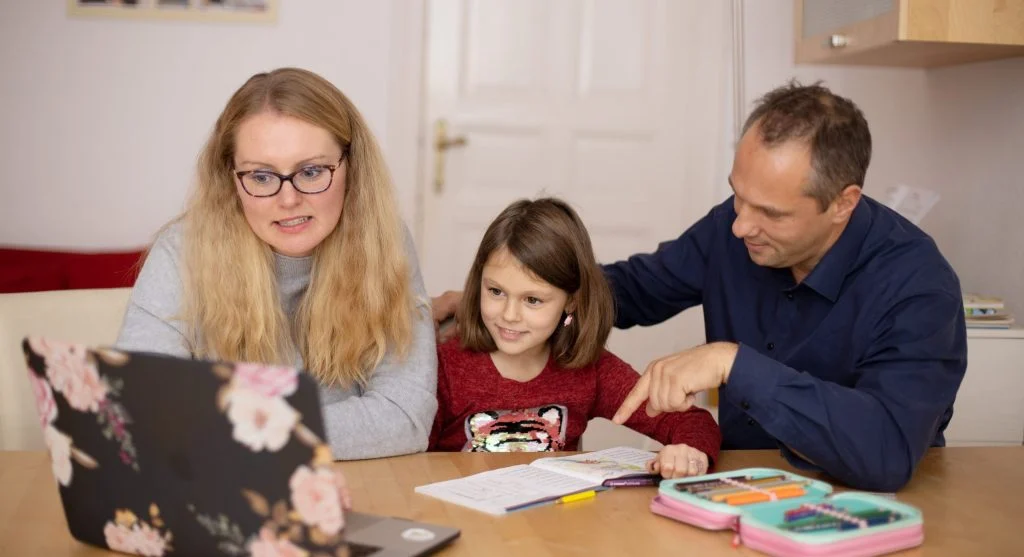
Why Children Often Learn New Vocabulary Better When They Hear the Word Used Naturally Twice Before Practice
Parents often want children to learn new words quickly, especially during early reading, school preparation, and homework support. A common approach is to introduce a word directly, explain its meaning, and then ask the child to remember it. Sometimes that works, but often the word still feels stiff, unfamiliar, or easy to forget. Education specialists generally note that children often learn new vocabulary better when they hear the word used naturally twice before practice because the word begins to feel like part of real language before it becomes a lesson. In many homes, vocabulary sticks better when it arrives through ordinary life first and practice second.
This matters because children usually learn language through repeated meaningful exposure, not through definitions alone. A new word may sound easier to understand once the child has already heard it connected to real actions, objects, or situations. Development guidance often suggests that natural repetition can reduce pressure and increase understanding because the child meets the word in context before being asked to perform with it. Over time, this can make vocabulary learning feel less forced and much more memorable.
New Words Often Feel Abstract When They Arrive Only as Lessons
Adults often understand a new word quickly because they already have a large language network to connect it to. Children do not always have that advantage. If a word appears only in a direct teaching moment, it may feel abstract or disconnected. The child hears a sound, hears a definition, and may still not know how the word belongs in everyday speech.
Child language specialists generally explain that vocabulary grows best when children can connect words to lived meaning. In many families, a word introduced only as a lesson may remain fragile, while the same word becomes easier once the child has already heard it used in a familiar moment.
Natural Use Gives the Word a Real Job Before the Child Has to Remember It
When parents use a word naturally in conversation, the child gets to hear what the word does before trying to hold onto it. A word used during cooking, getting dressed, reading together, or discussing the day sounds purposeful. It belongs to something happening right now. This gives the child an easier entry point than hearing the word as an isolated item on a list.
Development specialists generally note that children respond strongly to language that feels useful. In many homes, a word becomes easier to learn after the child has heard it doing real work in speech, not just sitting inside an explanation.
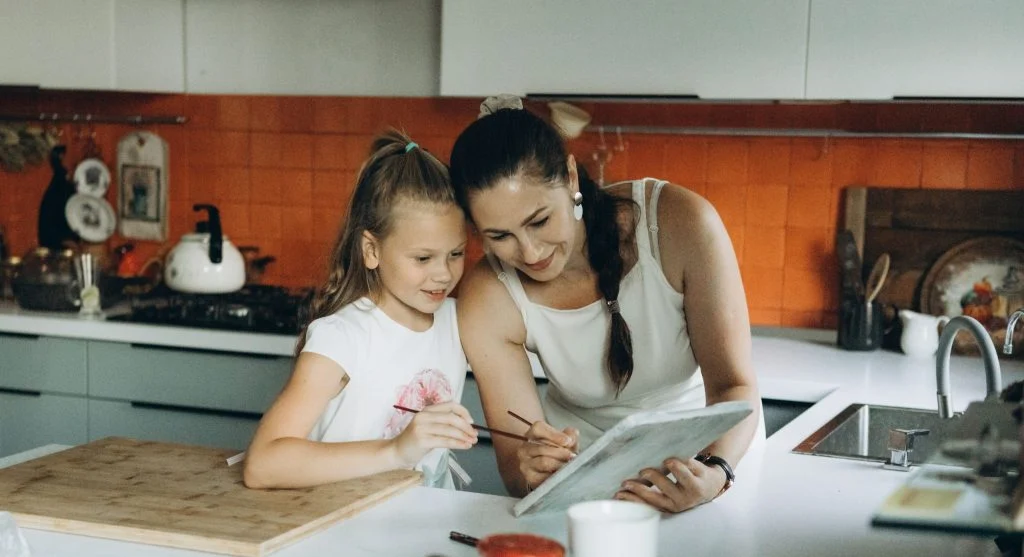
Hearing a Word Twice Helps It Stand Out
One exposure is not always enough for a child to fully notice a new word.
Children are often focused on many things at once, and a single mention can pass by without leaving a strong impression. When the same word appears naturally a second time, however, many children begin to recognize it.
That second encounter quietly signals that the word is important. It starts to feel familiar rather than completely new.
Language development experts often explain that repetition helps attention catch up with language. In many families, the second natural exposure is when a child first begins to recognize a word, making later practice far easier and more productive.
Context Often Teaches Meaning More Naturally Than Definitions Alone
Definitions have value, but they are not always the best starting point for young learners.
Context frequently provides meaning before a formal explanation ever occurs.
For example, if a parent says, “That blanket is enormous,” while lifting a very large blanket, or “We need to be cautious on these wet steps,” while slowing down and walking carefully, the child receives clues from the situation itself.
Education specialists generally note that children learn word meanings through a combination of observation, repetition, and explanation. In many homes, context provides the first layer of understanding, while definitions help deepen that understanding later.
Natural Exposure Often Reduces Pressure
Some children become anxious when they realize they are being taught something directly.
They may worry about answering incorrectly or feel pressured to remember a word before they are ready. When vocabulary begins through ordinary conversation, that pressure is often reduced.
The child has an opportunity to listen, observe, and become familiar with the word before being asked to define or use it.
Family learning experts frequently explain that children absorb language more comfortably when they do not feel tested immediately. In many households, natural repetition allows children to become familiar with a word before they are expected to perform with it.

Two Natural Uses Can Support Reading and School Language
Many academic words become easier for children when they have already encountered them in everyday conversation.
Words such as compare, observe, fragile, enormous, arrange, and predict often appear in classrooms and books. When children first meet these words in ordinary life, they tend to feel less intimidating when they later encounter them in academic settings.
School readiness specialists often note that everyday conversations can quietly prepare children for school language. In many homes, familiar exposure helps academic vocabulary feel like a natural extension of language rather than a completely separate system.
Children Remember More When Words Appear in Different Situations
A word heard only once in a single situation can remain tied to that specific moment.
When children hear the same word naturally in more than one context, their understanding usually becomes broader and more flexible. They begin to see that the word can apply to different situations rather than just one example.
Language development experts often explain that vocabulary grows through varied exposure. In many families, hearing a word in multiple settings helps children understand not only what the word means, but also how it functions across different conversations.
Practice Becomes Easier After Familiarity Has Begun
Formal vocabulary practice remains important.
Children benefit from discussing words, using them in sentences, hearing them in stories, and recognizing them in books. However, practice often becomes more successful once the word already feels somewhat familiar.
A child who has heard a word naturally several times is often more willing and able to engage with it.
Family learning specialists frequently note that effective teaching depends partly on timing. In many homes, practice works better when it builds on existing familiarity rather than introducing a completely unfamiliar concept.

This Approach Supports Different Learning Styles
Children learn language in different ways. Some learn most effectively through reading, while others learn through listening, conversation, observation, or hands-on experiences. Natural exposure before practice supports many different learning styles because it allows children to encounter words through multiple channels.
Development experts often suggest that language learning becomes stronger when it is flexible enough to meet children where they are. In many families, natural repetition helps vocabulary growth feel less restrictive and more connected to daily life.
Parents Often Build Vocabulary Best Through Everyday Conversation
This approach does not require elaborate lessons or specialized materials.
Often, it simply involves parents using rich, meaningful language during everyday interactions. When adults consistently include strong vocabulary in ordinary conversations, children gain more opportunities to hear, understand, and eventually use those words themselves.
Child language specialists frequently note that children learn a tremendous amount from the language environment around them. In many homes, vocabulary expands not because parents create more lessons, but because they naturally use a wider range of words in daily life.
Why Children Often Learn New Vocabulary More Easily
Children often learn vocabulary more effectively when they hear a word used naturally before practicing it because familiarity develops first.
Natural repetition helps the word feel meaningful, recognizable, and connected to real experiences. Later practice then strengthens and expands that understanding.
In many homes, vocabulary growth does not begin with memorization. It begins with hearing rich language used naturally and repeatedly throughout everyday life.
Over time, this combination of exposure and practice can help children understand words more deeply, remember them more easily, and use them with greater confidence.
FAQ
Why does hearing a word naturally help children learn it?
Because the child connects the word to a real situation first, which makes its meaning easier to understand and remember.
Why hear the word twice before practice?
Two natural uses often help the child notice the word, recognize it, and feel less surprised by it during later practice.
Does this mean parents should avoid direct teaching?
No. Direct teaching still helps. This approach simply makes direct teaching stronger by giving the word familiar context first.
Can this help with school vocabulary?
Yes. It often helps children feel more comfortable with academic words when they have already heard them in everyday home language.
Internal Linking Suggestions
Link this article to posts about reading readiness, language-rich home routines, helping children understand books better, early literacy skills, and simple school readiness habits for families.
Key Takeaway
Children often learn new vocabulary more effectively when they hear a word used naturally before practicing it because repeated exposure makes the word feel familiar and meaningful. Instead of encountering the word only as a lesson, they first experience it as part of everyday communication. Families often build stronger vocabulary when natural conversation and structured practice work together. Over time, this simple habit can support richer language development, stronger comprehension, and greater confidence with words.