
Why Children Often Learn Better When Home Practice Starts With Something They Already Know
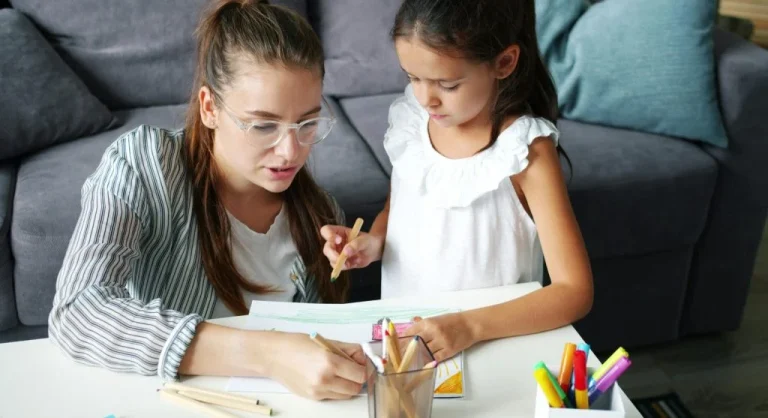
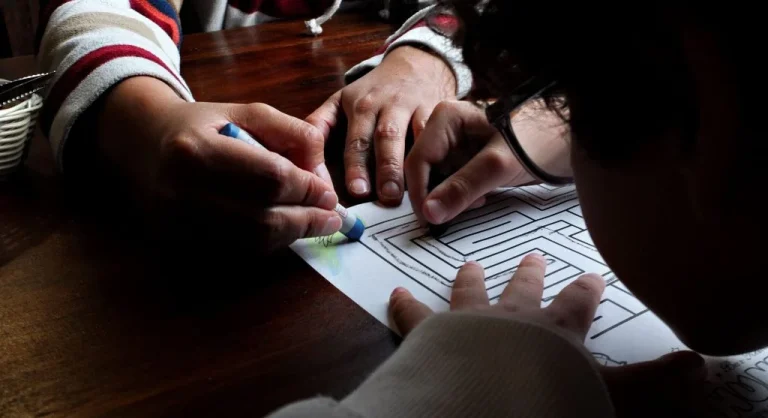
Many families begin home practice by jumping straight into the hardest unfinished task. It can seem like the most efficient approach, especially when time is short. However, child development and education specialists generally point out that children often learn better when home practice begins with something they already understand. A familiar first step can help children ease into learning, feel more capable, and begin the session with less resistance. In many homes, the real challenge is not only the schoolwork itself. It is the emotional and mental effort children need just to get started.
This is important because children often come to home practice already carrying the tiredness of the day. School, transitions, homework pressure, and family routines can leave their attention stretched thin before practice even begins. Education guidance often suggests that starting with one familiar task reduces the mental load at the beginning and helps children build momentum before moving into something more difficult. Over time, this can make home learning feel calmer, more consistent, and more productive.
Starting With Success Often Lowers Resistance
Children often push back against home practice because the beginning feels too heavy. When the first task is difficult, unfamiliar, or full of correction, the child may enter the session already expecting frustration. That emotional response can make the entire practice period harder, even when the child is fully capable of doing the work. A familiar opening can shift that first feeling.
Child development specialists generally note that children are often more willing to participate when the starting point feels manageable. A known task gives the child something they can begin without much uncertainty. In many homes, this reduces the urge to stall because the first step no longer feels like a wall the child has to climb right away.
Familiar Tasks Help Children Settle Into Learning Mode
Children often need a little time to move from play, snack, rest, or conversation into focused thinking. A familiar task can work like a bridge between everyday home life and structured practice. Since the child already understands how the task works, less attention is spent figuring out what to do, and more attention can go toward settling into the rhythm of learning.
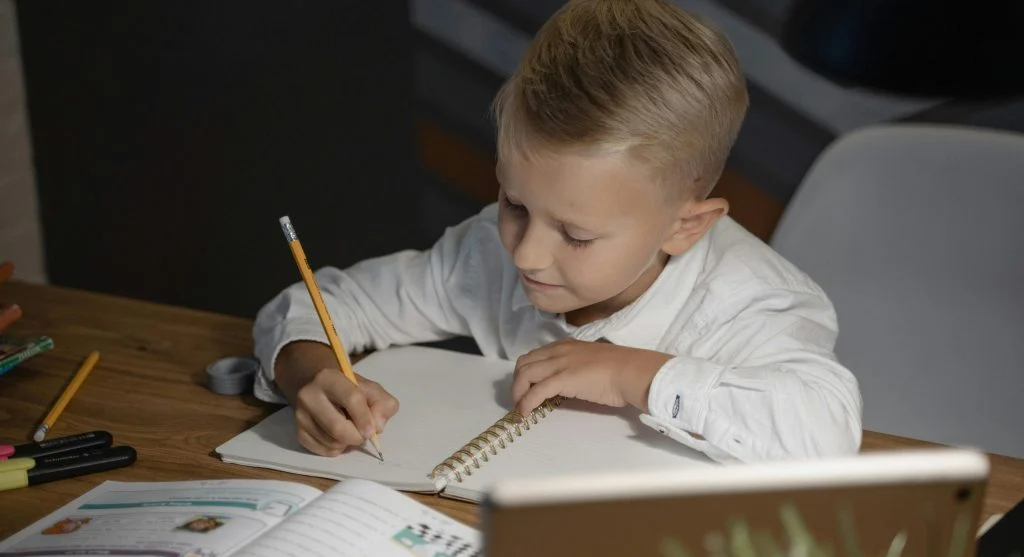
Education experts often note that routines become easier when the beginning is predictable. A familiar reading warm-up, quick number review, or short handwriting line can signal that practice is starting without making the child feel overwhelmed right away. This often helps the whole session begin more smoothly.
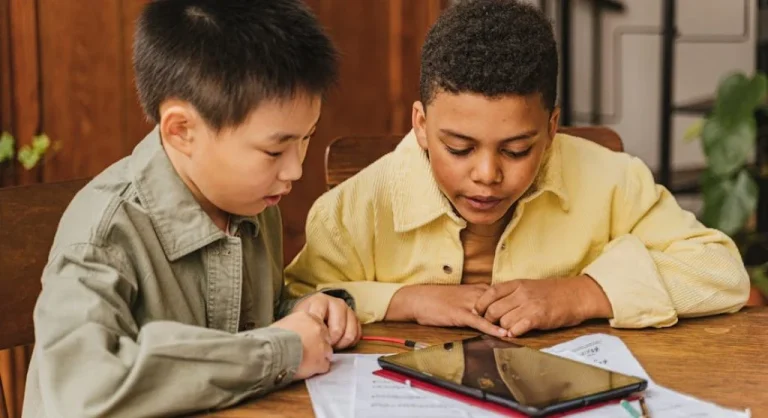
Credit: Tima Miroshnichenko / Pexels
Early Success Can Build Momentum for Harder Work
Children often handle harder work better after they have already experienced one small success. A familiar task can create that success quickly. Once the child has answered a few questions, read an easier passage, or completed a known step, the session can feel more possible. The child is no longer standing outside the work. The child is already in it.
Family learning specialists generally note that momentum matters because children often manage challenges better once they have already begun moving. The harder task may not become easy, but it may feel less intimidating because the session has already started in a steady and successful way. In many homes, this can make a noticeable difference in persistence.
Known Material Often Protects Confidence at the Start
Confidence can shape the direction of an entire learning session. If a child begins with immediate struggle, the rest of the practice may feel like proof that learning is going badly. If the child begins with something familiar, the session often starts with the feeling that progress is possible. That emotional difference can support stronger focus and more willingness to keep trying.
Child development specialists often explain that children usually learn more effectively when they feel capable enough to try. A familiar opening helps protect that feeling. It does not remove the challenge that may come later, but it can reduce the chance that the child approaches harder work already discouraged.
Familiar Beginnings Usually Lower Mental Overload
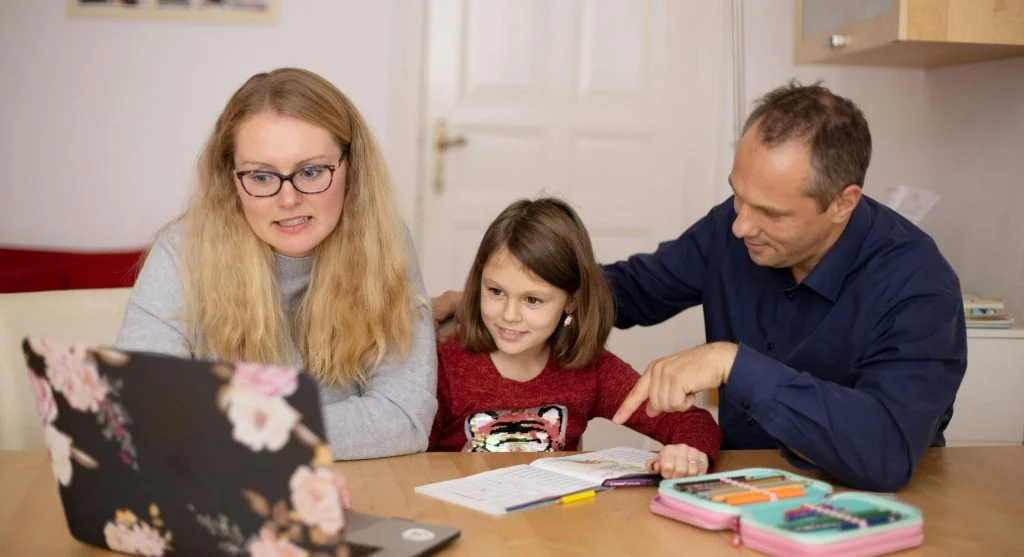
Home practice often asks children to manage several demands at once. They may need to listen, remember instructions, accept correction, and stay seated through effort. If the first task is also very difficult, mental overload can happen quickly. Starting with something familiar often reduces that early overload because the child is not trying to handle every layer of the task at the same time.
Education specialists generally note that lowering mental strain at the beginning can help children use more of their thinking for the real learning target later. In many families, this means the child can enter the harder task with more resources still available instead of feeling drained from the very start.
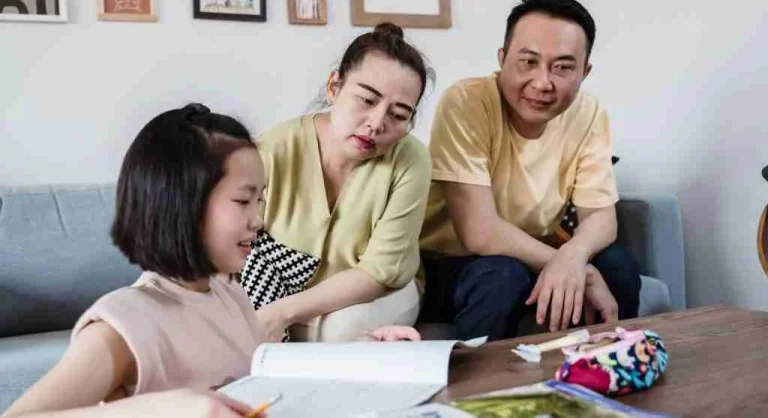
Credit: sofatutor / Pexels
Starting Easy Does Not Mean Avoiding Growth
Some adults worry that beginning with familiar material wastes time or lowers expectations. In practice, starting with something known often supports harder learning rather than replacing it. The goal is not to stay with easy work only. The goal is to use a familiar beginning to prepare the child for the more demanding work that follows.
Family learning experts generally note that children often do best when challenge is sequenced thoughtfully. A manageable opening can lead into a stronger middle part of the session because the child has already settled, focused, and experienced some success. In many homes, this makes practice more effective than starting with struggle and then spending the rest of the time trying to recover from it.
Repeated Familiar Openings Can Turn Into a Reliable Learning Habit
When the same kind of warm-up begins home practice day after day, children often start to recognize it as part of the routine. This repeated familiarity can help reduce negotiation because the child knows how learning usually begins. The opening itself becomes a cue for attention and effort.
Development guidance often suggests that habits are easier to build when the first step is simple to recognize and easy to repeat. A familiar beginning can serve exactly that purpose. Over time, the child may begin home practice with less hesitation because the opening no longer feels new or emotionally heavy.
Children Often Learn More When the Session Begins With Readiness Instead of Pressure
Home practice usually works best when children are guided into learning in a way their minds can actually use. Beginning with something they already know often supports that readiness. It gives the child a clear first step, lowers the emotional weight of starting, and creates a steadier path toward harder work. The session begins with movement instead of resistance.
In many homes, children often learn better when home practice starts with something they already know because familiar beginnings support focus, confidence, and momentum. Over time, that simple shift can turn practice into a calmer and more workable part of everyday family life.