Why Children Often Match Uppercase and Lowercase Letters Better When the Pairing Starts With Just Three Familiar Letters
Matching uppercase and lowercase letters sounds straightforward to adults because both versions belong to the same alphabet. For young children, the task can feel much less obvious. Some letter pairs look related, while others appear surprisingly different. A child may know both letter names but still hesitate when asked to connect them visually. Education specialists generally note that children often match uppercase and lowercase letters better when the pairing starts with just three familiar letters because the task becomes smaller, more recognizable, and easier to hold in mind. In many homes, the difficulty is not that the child knows nothing about letters. The difficulty is that too many letter options at once make the matching relationship harder to see.
This matters because uppercase-lowercase matching is part of early literacy growth. Children need to understand that print can change shape while still representing the same letter identity. Development guidance often suggests that young learners do better when adults begin with a tiny group of highly familiar letters rather than presenting a full alphabet chart or a large scattered set of cards. Over time, starting small can reduce confusion, strengthen recognition, and build much more confident alphabet learning at home.
Uppercase and Lowercase Matching Is More Complex Than Simple Letter Naming
Parents sometimes assume that once a child can sing the alphabet or identify a few letters, matching uppercase and lowercase forms should happen naturally. Yet this skill asks for something extra. The child must understand that two shapes, which may look somewhat alike or very different, belong to one shared letter identity. That kind of flexible recognition can take time.
Child development specialists generally explain that early literacy includes more than memorizing names. In many families, children know letter labels before they can comfortably connect two visual forms of the same letter across upper- and lowercase print.
Too Many Letters at Once Can Hide the Pattern
When children are shown a large set of uppercase and lowercase letters all together, the task can quickly turn into visual overload. There are too many shapes to compare, too many possible matches, and too many chances for the child to lose track of what is being looked for. Instead of noticing the relationship between one pair, the child may feel surrounded by disconnected symbols.
Family learning experts generally note that children often learn alphabet relationships better when adults reduce the number of choices at the start. In many homes, the child’s confidence improves immediately once the field narrows from “all the letters” to just a few manageable ones.

Three Familiar Letters Create a Small and Searchable Learning Set
Beginning with three familiar letters gives children a much more workable mental task. They only need to compare a few shapes and hold a few identities at once. This makes the activity feel searchable rather than overwhelming. The child can spend more attention noticing why the letters go together instead of simply trying to survive the number of options.
Development specialists generally explain that many young learners benefit when adults turn large symbolic systems into small meaningful sets. In many homes, three familiar letters create just enough challenge to teach the relationship without flooding the child’s attention.
Familiar Letters Help Children Build on What They Already Know
Children often learn best when new tasks begin with something already secure. Familiar letters such as those from the child’s name, sibling names, or common early favorites can provide that anchor. The child is not entering the activity from total uncertainty. Instead, the child is using known letter names to discover a new kind of relationship between forms.
Education specialists generally note that children engage more calmly when new learning is built on stable material. In many families, starting with familiar letters helps because the child already cares about or recognizes those symbols, which makes the pairing task feel less abstract.
Children Often Notice Matching Features Better in Smaller Sets
Some uppercase and lowercase letters share visible features that become easier to spot when there are fewer competing shapes nearby. A child may begin noticing that a capital M and lowercase m feel connected, or that S and s share a curving movement, even if the forms are not identical. These subtle observations are easier when the child is not scanning dozens of symbols at once.
Child behavior experts generally note that visual comparison improves when children are not rushing across too many options. In many homes, smaller sets help children notice shape relationships that were always there but previously hidden inside visual clutter.
Starting Small Often Reduces Guessing
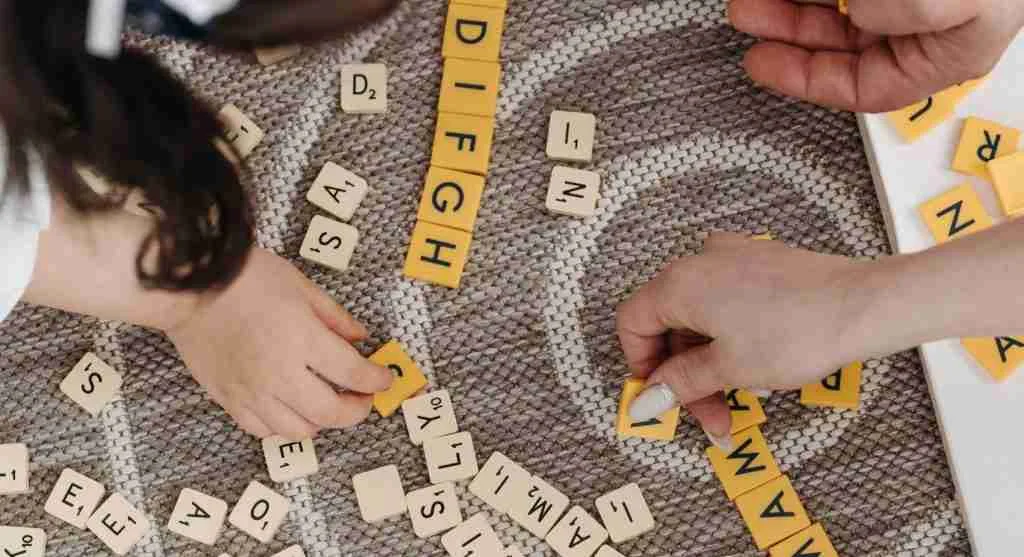
When a child feels unsure in a large alphabet-matching task, random guessing becomes tempting. The child may place letters together based on shape size, recent memory, or simple hope. With three familiar letters, the odds of thoughtful comparison improve. The child can actually slow down and look instead of making a quick guess just to finish.
Development guidance often suggests that children become more accurate when the activity gives them a realistic chance to think successfully before acting. In many homes, smaller letter sets reduce guessing because the child feels capable of solving the task rather than escaping it.
This Method Helps Children Experience Success Early
Confidence matters in alphabet learning. If a child is repeatedly wrong in the early moments of letter matching, frustration can build fast. Beginning with just three familiar pairs makes early success more likely. Once the child experiences “I can do this,” the whole task feels safer and more interesting.
Family routine experts generally note that children stay engaged longer when the opening of an activity feels possible. In many homes, this is one reason the small-set method works so well. The child begins with success instead of confusion.
Children Often Learn the Idea of “Same Letter, Different Form” More Clearly This Way
The deeper goal is not only matching individual cards. It is understanding that one letter can appear in more than one visual form. Starting with three familiar pairs allows that idea to become clear before the child is asked to apply it broadly. The child begins seeing the pattern itself: these look different, but they still belong together.
Child development specialists generally explain that broad literacy ideas often become clearer when children first meet them in a tiny repeated structure. In many homes, the child starts generalizing the concept only after the relationship has been experienced clearly in a few simple examples.
Parents Often Teach More Clearly When the Alphabet Is Not All on the Table
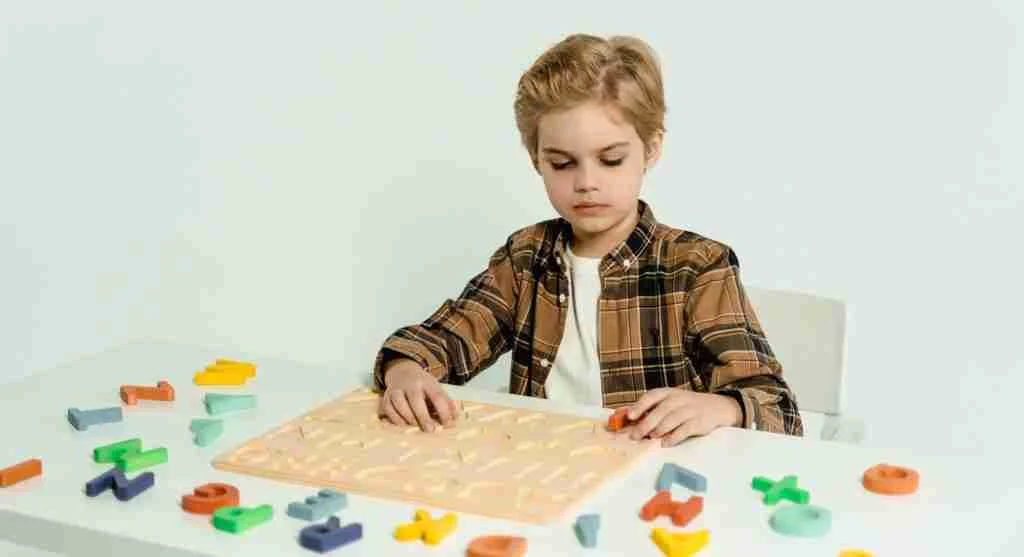
This method can help adults too. When all letters are presented at once, parents often start giving extra hints, repeating names quickly, or correcting too often. With three familiar letters, the pace naturally slows. Adults can point, compare, and name the letters more calmly, which usually makes the teaching itself easier to follow.
Parenting specialists generally note that children respond better when adults guide small focused learning tasks rather than trying to cover too much in one sitting. In many homes, the smaller set improves parent clarity as much as child understanding.
Small Sets Make It Easier to Add New Letters Gradually
One advantage of the three-letter approach is that it creates a clean path forward. Once the child becomes comfortable, a fourth familiar pair can be added, then another, and another. The learning expands without overwhelming the child. Instead of introducing the full alphabet in one difficult leap, the child builds the system piece by piece.
Education specialists generally explain that early literacy often grows best through gradual expansion. In many families, this keeps children motivated because each new step feels like an extension of success rather than a restart into confusion.
Over Time, the Child May Need Less Familiarity and More Variety
At first, familiarity gives stability. Later, many children can handle less familiar letters once the pairing idea is stronger. The goal is not to stay with the same three forever. The goal is to use those three as a bridge into broader recognition. Once the child understands the system more clearly, larger groups and trickier pairs become more manageable.
Development specialists generally note that many strong learning strategies begin with high familiarity and small sets before moving toward wider flexibility. In many homes, this approach builds the foundation that later allows more independent uppercase-lowercase matching.
Why Children Often Match Uppercase and Lowercase Letters Better
Children often match uppercase and lowercase letters better when the pairing starts with just three familiar letters because the task becomes visually smaller, emotionally safer, and easier to understand. The child can focus on the relationship between the forms instead of getting lost in too many choices. That often helps the larger idea of “same letter, different look” become much clearer.
In many families, stronger alphabet matching does not begin with showing the whole system at once. It begins with making the system small enough to see. Over time, starting with three familiar letter pairs can reduce frustration, improve accuracy, and build a stronger early literacy foundation for later reading and writing.
FAQ
Why do children struggle to match uppercase and lowercase letters?
Because the task asks them to connect two different visual forms to one letter identity, which can be harder than simply naming letters.
Why start with only three letters?
Three letters make the task smaller and easier to compare, which helps children notice the matching relationship without getting overwhelmed.
Why should the letters be familiar first?
Familiar letters reduce uncertainty and help children build new learning on something they already recognize, such as letters from their own name.
Can parents add more letters later?
Yes. Once the child is comfortable with a few pairs, more letters can be added gradually to build broader alphabet matching skills.
Internal Linking Suggestions
Link this article to posts about alphabet learning at home, school readiness literacy skills, name-letter activities for children, early phonics practice, and simple ways to support reading foundations through play.
Key Takeaway
Children often match uppercase and lowercase letters better when the activity begins with just three familiar letters because the task becomes smaller, clearer, and easier to understand. Starting with a tiny known set helps children notice the relationship between two letter forms without getting overwhelmed by the full alphabet. Families often support early literacy best by making learning manageable before making it bigger. Over time, this simple strategy can build stronger confidence and more accurate alphabet matching at home.