Why Children Often Learn Faster at Home When the Lesson Starts Away From the Worksheet
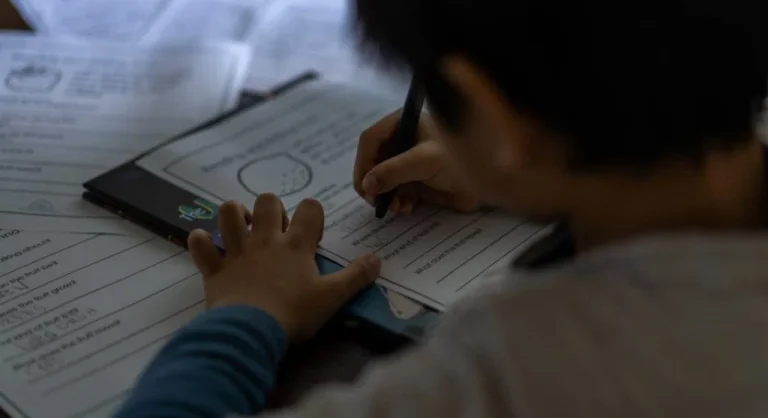
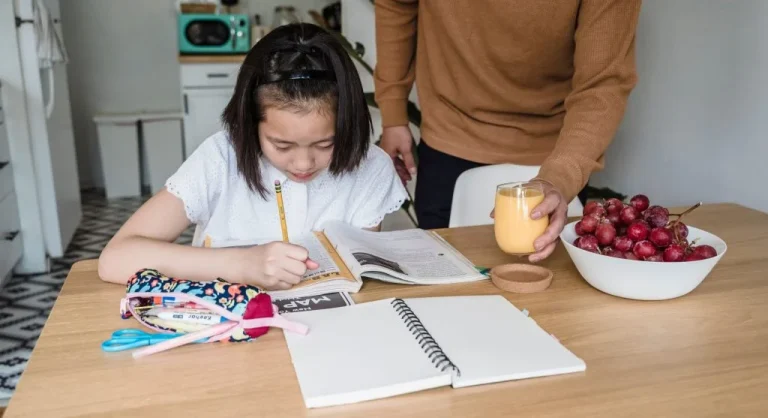
Many home learning sessions begin in the same way: a worksheet comes out, the child sits down, and the adult asks for focus immediately. Sometimes that works. Other times, the child stares at the page, guesses too quickly, resists the task, or says it feels too hard before really starting. Education specialists generally note that children often learn faster at home when the lesson begins away from the worksheet because they get a chance to understand the idea before being asked to perform it on paper. In many homes, the worksheet is not the real problem. The problem is that the child meets the task in its most demanding form first.
This matters because worksheets often combine several challenges at once. A child may need to read directions, manage pencil control, stay seated, handle correction, and remember what the concept actually means. When adults introduce the same idea first through objects, movement, or conversation, the child can understand it with less pressure. Over time, this often makes formal practice smoother because the thinking starts before the page does.
The Page Often Carries More Demands Than the Skill Itself
Adults sometimes assume that if a child struggles on paper, the child does not understand the concept. That is not always true. A simple worksheet task may still require visual scanning, hand control, attention to instructions, and enough emotional patience to keep working through mistakes. Those extra demands can hide what the child actually knows.
Child development specialists generally explain that children often show understanding more clearly when the concept is separated from the formal task. A child might understand grouping, comparing, sequencing, or identifying sounds much better with blocks, toys, food, or spoken examples than with circles and blanks on a page. In many families, once the concept becomes clearer away from the worksheet, the child’s performance on the worksheet improves too.
Everyday Objects Make New Ideas Feel Less Abstract
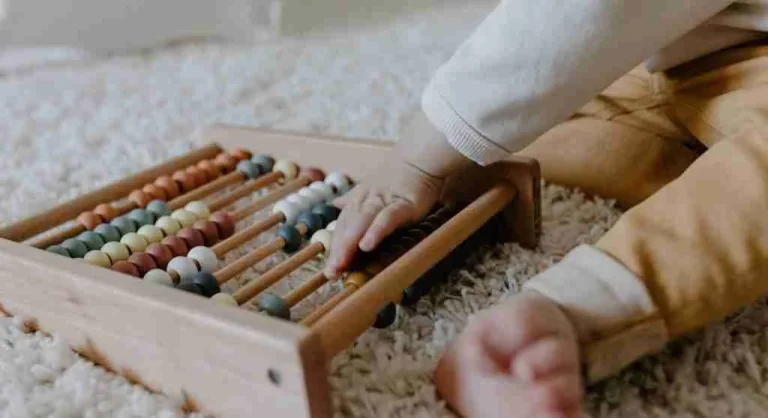
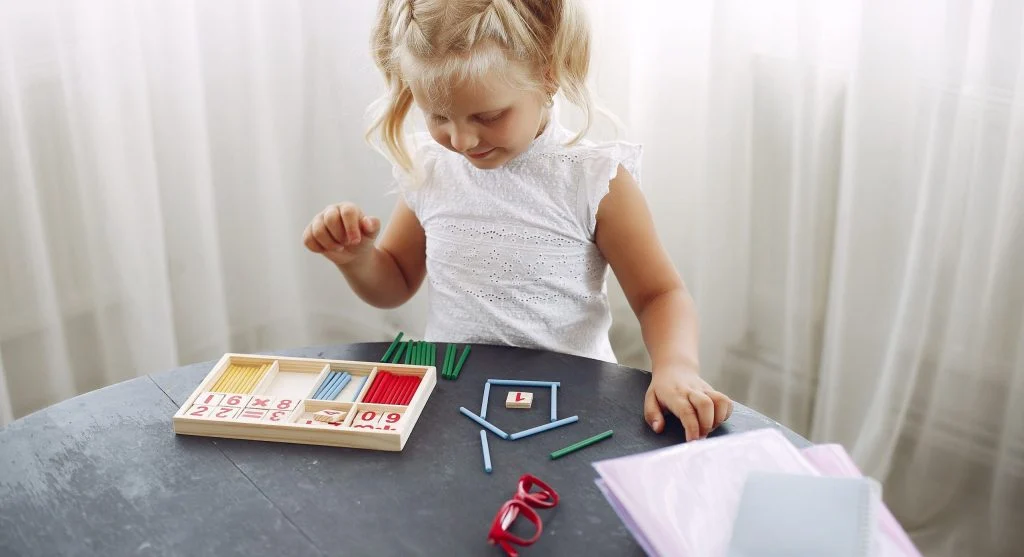
Young learners often understand ideas more quickly when those ideas are connected to something they can touch and see. Counting crackers, sorting socks by size, matching toy animals, clapping syllables, or lining up spoons from shortest to longest can make the lesson feel real. The child is not only hearing about the idea. The child is physically interacting with it.
Education experts generally note that concrete experience helps children build mental understanding more securely. In many homes, this is why a child who resists paper math may suddenly understand the same idea with snacks, cups, or pencils. The concept becomes easier to hold because it has shape in the real world.
Starting Away From the Worksheet Can Lower Resistance
Many children bring emotional baggage to paper tasks. Worksheets may remind them of correction, pressure, or earlier frustration. If the adult begins with a playful, object-based introduction, the child often enters the lesson with less tension. The learning feels like discovery first instead of evaluation first.
Family learning specialists generally note that resistance often drops when the child is not immediately asked to “get it right.” In many homes, a short hands-on opening softens the emotional edge of the lesson. By the time the worksheet appears, the child is already engaged with the idea and is less likely to shut down at the sight of the page.
Children Often Remember Concepts Better After They Have Moved Through Them
Movement can support memory in powerful ways. Stepping out syllables on the floor, hopping to the correct number, acting out positional words like over and under, or building letter shapes with the body can help a lesson stick. For many children, physical action creates a clearer memory than sitting still and listening alone.
Development specialists generally note that movement is not a distraction from learning for many young children. It is part of how learning becomes memorable. In many families, concepts taught through brief action are easier for children to recall later when they return to the quieter written task.
Conversation Before Paperwork Helps Children Hear the Big Idea
One simple way to start away from the worksheet is through conversation. Before asking a child to circle long vowels or identify patterns, adults can describe the concept using familiar examples. A short conversation can make the lesson feel understandable rather than hidden inside school language.
Education specialists generally note that children often need the “what this is about” explained clearly before they can do the task well. In many homes, a child works more confidently when the adult first says, in plain language, what the practice is helping them notice. The page then feels less mysterious.
Children Often Gain Confidence Before the Harder Part Begins
When a child successfully explores a concept with objects or examples first, the child enters the written task with more confidence. This confidence matters because many learning struggles are partly emotional. A child who already feels successful with the idea is more willing to try it again in a harder format.
Child development experts generally explain that confidence often grows from early success. In many homes, a five-minute hands-on opening changes the tone of the entire lesson because the child begins the worksheet feeling prepared instead of uncertain. That emotional shift can make a major difference in effort and persistence.
The Goal Is Not to Avoid Worksheets, but to Prepare for Them Better
Some adults worry that starting away from the worksheet means making learning too easy or avoiding real practice. In practice, the opposite is often true. The hands-on or verbal opening prepares the child to do the formal work with better understanding. The worksheet still matters. It simply arrives after the child has already met the lesson in a more accessible way.
Family learning experts generally note that children often do best when instruction moves from concrete to formal. In many families, this makes practice more effective because the child is not using the worksheet to discover the idea from scratch. The worksheet becomes a place to apply learning rather than the first place they encounter it.
Different Children Need Different Kinds of Openings
Not every child responds to the same kind of pre-worksheet learning. Some children love objects. Some respond better to movement. Others need a simple verbal example or quick demonstration. The important point is not choosing one perfect method. It is recognizing that the worksheet does not always have to be the first doorway into the lesson.
Development guidance often suggests that flexible openings help adults notice how a child learns most comfortably. In many homes, this leads to faster progress because the adult stops assuming that paper must always come first and starts meeting the child through a more useful entry point.
Children Often Work More Efficiently Once the Thinking Has Already Begun
Children often learn faster at home when the lesson starts away from the worksheet because the hardest part of learning is often understanding the concept, not filling in the page. When adults use talk, objects, or movement first, the child gets to build meaning before facing the formal task. That often reduces confusion, softens resistance, and improves accuracy later.
In many families, a worksheet goes more smoothly once it is no longer the first place the child meets the lesson. Over time, beginning away from the page can help home learning feel less like a test and more like a guided path into understanding.