

Why Children Often Wash Hands More Willingly When the Towel Is Ready Before the Water Starts
Hand washing seems like one of the simplest parts of family life, yet it can become unexpectedly difficult. A child may resist, stall, splash, wander off midway, or complain right at the sink even when adults see the task as quick and obvious. Parenting specialists generally note that children often wash hands more willingly when the towel is ready before the water starts because the routine feels complete and manageable from the beginning instead of uncertain at the end.
In many homes, resistance to washing does not come only from the soap or the sink. It comes from the child anticipating the whole uncomfortable sequence, including what happens after the water is turned off. This matters because children often judge routines by their full sensory experience, not only by the main action adults are focused on.
If washing hands means cold water, slippery soap, wet sleeves, dripping fingers, and then uncertainty about drying, the task may feel bigger than it looks. Development guidance often suggests that children cooperate more easily when the full routine feels prepared before it begins. A towel already hanging within reach can quietly signal that the task has a clear ending. Over time, that simple preparation can make hygiene routines feel calmer and less irritating for both children and parents.
Children Often Resist the Whole Routine, Not Just the Washing Part
Adults often think children are objecting only to the act of washing. In reality, children usually experience the whole chain together. Go to the sink, climb up if needed, turn on water, get hands wet, use soap, rinse, deal with drips, then dry off. If any part of that chain feels awkward or unfinished, the child may start resisting before the hands are even under the faucet.
Child development specialists generally explain that young children often react to routines as one sensory package. In many families, the difficulty starts because the child already expects the routine to feel inconvenient or uncomfortable before it begins.
A Ready Towel Makes the End of the Task Easier to Picture
One reason this helps so much is that it makes the finishing step visible from the start. The child can see where the routine is going. Instead of washing into uncertainty, the child washes toward a clear ending. That often changes how the whole task feels because the child no longer has to wonder what will happen with wet hands and dripping arms once the sink part is over.
Family routine experts generally note that children cooperate more when daily tasks have visible endings. In many homes, a ready towel reduces resistance because the routine feels more complete before the first drop of water is used.

Children Often Feel Better About Wet Tasks When Drying Is Certain
Many children dislike staying wet more than adults realize. Damp fingers, dripping wrists, and water running down the forearms can feel uncomfortable enough to shape the entire experience. If the drying step feels delayed, awkward, or unreliable, children may avoid the washing step itself. A ready towel changes that by offering immediate relief before discomfort has time to grow.
Development specialists generally explain that children often tolerate messy or wet routines better when the return to comfort is easy to see. In many homes, the towel matters because it shortens the child’s imagined time spent feeling wet and out of control.
A Prepared Towel Can Lower the Feeling of Hurry
Without a towel ready, hand washing can become a rushed scramble. Adults start saying wait, do not touch that, hold your hands up, do not wipe on your shirt, let me get something. That rush can make the child feel more stressed even during a short routine. When the towel is already there, the whole sequence feels steadier and less chaotic.
Parenting specialists generally note that children respond better to routines that feel prepared rather than improvised. In many families, the towel helps not because it changes the importance of hand washing, but because it changes the pace and emotional feel of the whole moment.
Children Often Cooperate More When the Sink Routine Feels Predictable
Predictability is a powerful support in daily family life. If the child knows that washing always ends with the same towel in the same spot, the routine starts becoming easier to trust. The child no longer has to guess whether drying will happen quickly or awkwardly. That regular pattern can make the sink feel like a more manageable place.
Child behavior experts generally explain that repeated routines become less emotionally costly when children know exactly what happens next. In many homes, a visible towel becomes part of the predictable sequence that helps children move through hand washing with less hesitation.
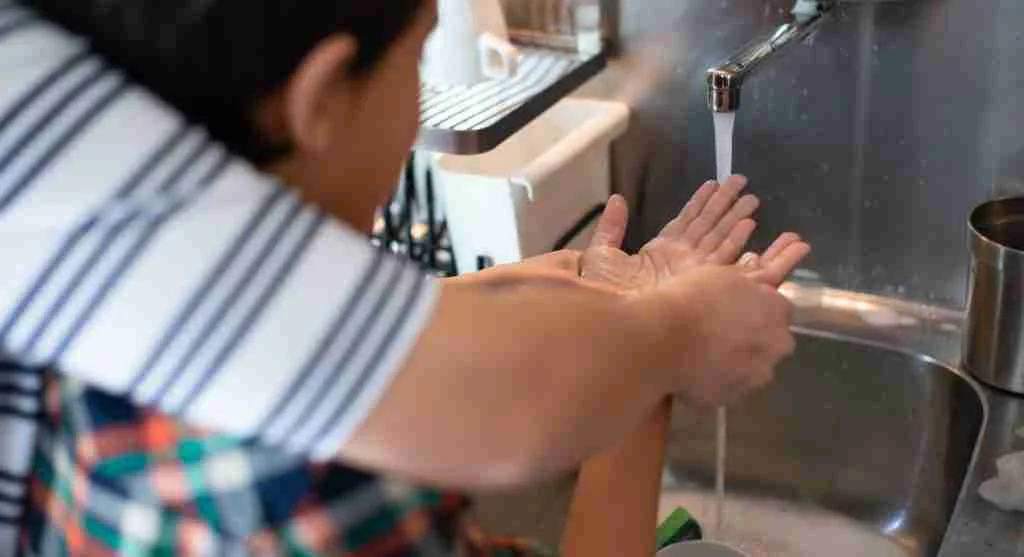
This Can Help Children Who Dislike Interruptions
Some children are especially bothered by tasks that stop and restart awkwardly. If hand washing begins, then pauses while the adult searches for a towel or adjusts the situation, the interruption can make the child more frustrated than the washing itself. A ready towel keeps the routine moving. The child can complete the sequence without a break in momentum.
Development guidance often suggests that many children do better when simple tasks remain continuous. In many homes, this is why a ready towel helps so much. It lets the routine stay smooth from first step to last step.
A Finished Setup Often Makes Small Hygiene Tasks Feel Smaller
Adults may not realize how easily a tiny task can start looking big to a child. A routine with missing parts feels larger because the child has to hold uncertainty along with the task. A routine with everything in place often looks smaller because the child can see the whole path. Washing hands goes from being an open-ended problem to being one short completed sequence.
Family communication specialists generally note that children often cooperate more when tasks appear manageable at first glance. In many families, the towel helps because it quietly makes hand washing look shorter, clearer, and easier to survive.
Parents Often Stay Calmer When the Sink Is Ready Before the Child Arrives
This strategy helps adults as well. Hygiene routines become tense quickly when parents are improvising. They may already be reminding the child to wash, keeping another routine going, and trying to prevent drips from spreading through the room. If the towel is already ready, the adult enters the situation with one less problem to solve. That often leads to a steadier tone.
Parenting experts generally explain that children often mirror the emotional organization of the adult around a task. In many homes, hand washing improves partly because the parent sounds calmer when the sink routine is already set up before asking the child to begin.

This Does Not Solve Every Hand Washing Problem
Some children resist hygiene routines because of sensory discomfort, tiredness, strong emotions, or a wish to keep playing. A ready towel will not remove every source of difficulty. Yet many daily struggles improve when one small point of friction is removed. The drying step is often one of those points because it matters more to children than adults first assume.
Child development specialists generally note that smoother routines are often built through small environmental improvements rather than one dramatic solution. In many homes, the towel helps because it removes one repeated irritation from an already transition-heavy part of the day.
Prepared Endings Often Make Children More Willing to Begin
One of the strongest truths about daily routines is that children often begin more easily when they trust how the routine will end. A ready towel gives that trust some physical form. The child can see that the task will not leave them stranded in discomfort. There is already a next step waiting, and that can make beginning feel less annoying.
Development specialists generally explain that children often resist less when adults prepare the exit from a task as carefully as the task itself. In many families, this is why hand washing gets easier. The child is not only being told to start. The child is being shown how the routine will finish well.
Why Children Often Wash Hands More Willingly
Children often wash hands more willingly when the towel is ready before the water starts because the full routine feels more complete, more predictable, and less uncomfortable from the beginning. The child can see that wetness will be followed by quick relief, and that changes the emotional size of the task. That often makes hand washing easier to begin and easier to finish.
In many homes, better hygiene routines do not come only from more reminders. They come from better preparation. Over time, one simple habit of having the towel ready first can make hand washing calmer, quicker, and much less stressful for everyone involved.
FAQ
Why does a ready towel make hand washing easier for children?
Because it makes the ending of the routine visible and reduces uncertainty about what happens after the hands are wet.
Does this only help younger children?
It is especially helpful for younger children, but older children who dislike the sink routine may also respond better when the whole process feels prepared.
What if my child still dislikes washing hands?
A ready towel may not solve every issue, but it often removes one common point of discomfort and can make the routine feel shorter and smoother.
Should parents prepare the towel every time?
Consistency often helps. When the towel is always ready in the same place, children usually trust the routine more and cooperate more easily over time.
Internal Linking Suggestions
Link this article to posts about hygiene routines for kids, smoother daily transitions, bedtime and mealtime hand washing, easier bathroom habits at home, and simple environmental changes that reduce routine resistance.
Key Takeaway
Children often wash hands more willingly when the towel is ready before the water starts because the routine feels complete, predictable, and easier to finish. A visible drying step can reduce resistance by making the whole task look shorter and less uncomfortable from the start. Families often improve hygiene routines not by repeating more, but by preparing better. Over time, this small towel-first habit can make hand washing calmer and easier at home.