Why Children Often Remember Quiet Family Rituals More Than Busy Celebrations
Families often assume that children will remember the biggest days most clearly. Birthdays, holidays, large gatherings, and busy celebrations can certainly stand out, yet family relationship specialists generally note that children often carry especially strong memories of quieter rituals that repeat over time. A simple evening story, a weekend breakfast, a walk after dinner, or a short bedtime chat may look ordinary to adults, but these moments often become some of the most emotionally lasting parts of childhood. This matters because children usually build memory through repetition, emotional tone, and a sense of belonging rather than through size alone. A busy celebration may feel exciting, but a quiet ritual often gives children something different: steadiness, familiarity, and the repeated experience of calm connection. Development guidance often suggests that these smaller moments help children understand what family life feels like when it is dependable and safe. In many homes, that repeated feeling stays in memory for years.
Quiet Rituals Often Feel More Emotionally Clear to Children
Busy celebrations can be joyful, but they also often include noise, schedule changes, many people, strong emotions, and a great deal of stimulation. Children may enjoy those moments and still find them harder to absorb clearly. Quiet family rituals often feel more emotionally simple. The child can tell what is happening, who is there, and how the moment usually feels. This can make the experience easier to take in and remember. Family specialists often note that children remember experiences more strongly when the emotional message is easy to read. A quiet ritual often says something very clear: this is time together, this is familiar, and this is part of how the family works. That clarity often helps the moment settle more deeply in memory.Repetition Usually Strengthens Memory More Than Novelty Alone
One reason quiet rituals stay with children is that they happen more than once. A celebration may be exciting precisely because it is unusual, but a repeated family ritual builds memory through return. Each time the family comes back to the same story routine, breakfast pattern, or evening habit, the child receives the same emotional message again. Over time, that message becomes stronger and more rooted. Child development specialists generally note that repeated experiences often become part of how children organize their understanding of family life. A single large event may stand out, but a ritual that returns regularly begins to shape the child’s sense of what togetherness feels like. In many homes, this repeated return is what gives the quieter ritual its staying power.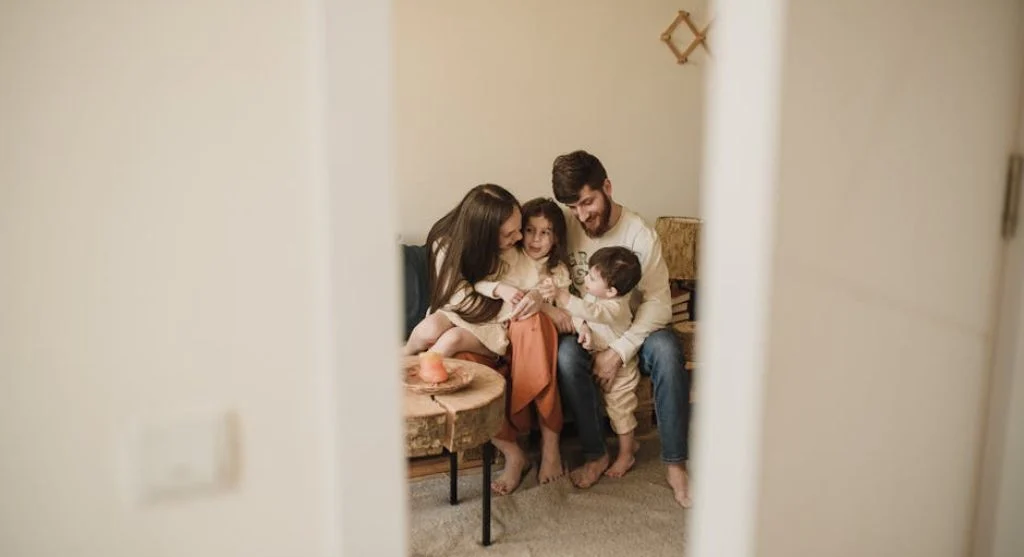
Credit: Werner Pfennig / Pexels
Children Often Relax More During Smaller Family Moments
Quiet rituals usually ask less from children than large events do. There may be fewer transitions, fewer rules to navigate, less waiting, and less pressure to perform socially. Because of that, children often arrive more relaxed and stay more emotionally available. A child who is calm enough to settle into a moment may connect with it more deeply than a child who is overwhelmed by stimulation, even when the bigger event is enjoyable. Development experts often note that relaxation supports both connection and memory. When children do not have to work as hard to regulate themselves, they may pay more attention to the people around them and to the warm emotional feeling of the moment. That often makes quieter rituals especially memorable.Quiet Rituals Often Carry a Stronger Sense of Belonging
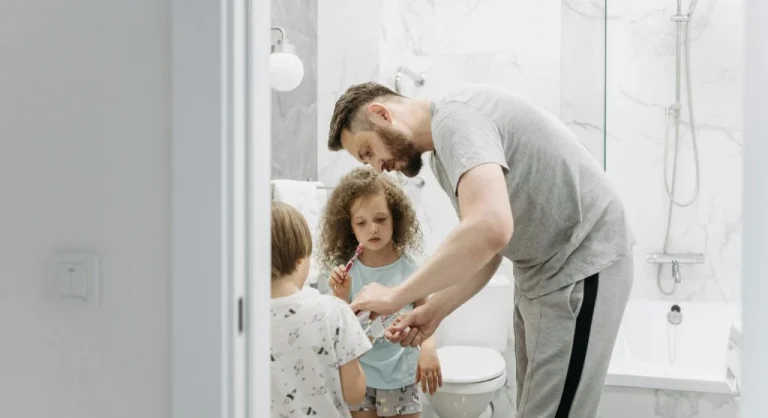
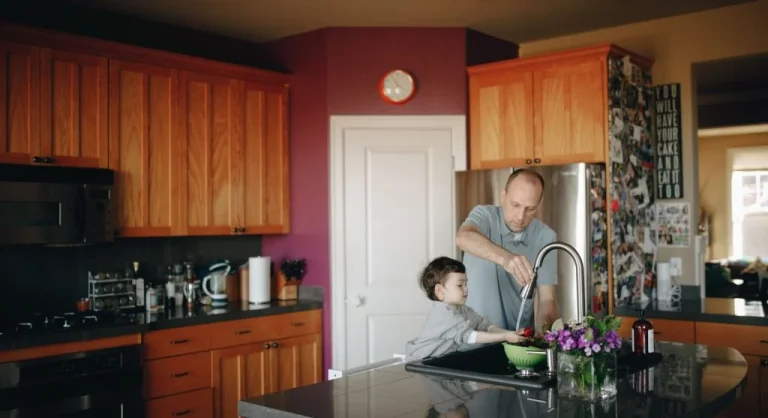
A repeated family ritual often communicates belonging in a direct way. The child is not only attending an event. The child is taking part in something the family does together in a familiar pattern. Helping stir pancake batter, choosing the bedtime book, setting out cups for tea, or walking the same route each week can all make the child feel included in a shared rhythm. Family psychology experts often describe rituals as part of a family’s lived identity. Children may not use those words, but they usually feel the meaning. A quiet ritual tells them this is one of the ways the family belongs to one another. Over time, that feeling often matters more than whether the activity itself looked impressive.Busy Celebrations Can Be Harder to Hold in One Coherent Memory
Large gatherings and special events often contain many moving parts. There may be music, relatives, travel, gifts, food, time pressure, photos, and different emotional reactions happening all at once. Children may remember pieces of the event clearly, but not always as one steady emotional memory. The experience can be exciting while still feeling scattered. Family relationship specialists generally note that quieter rituals are easier for children to hold as one whole experience. The setting, the people, and the emotional tone often stay more stable from beginning to end. This can make the memory feel warmer and more complete, even if the moment looked simple from the outside.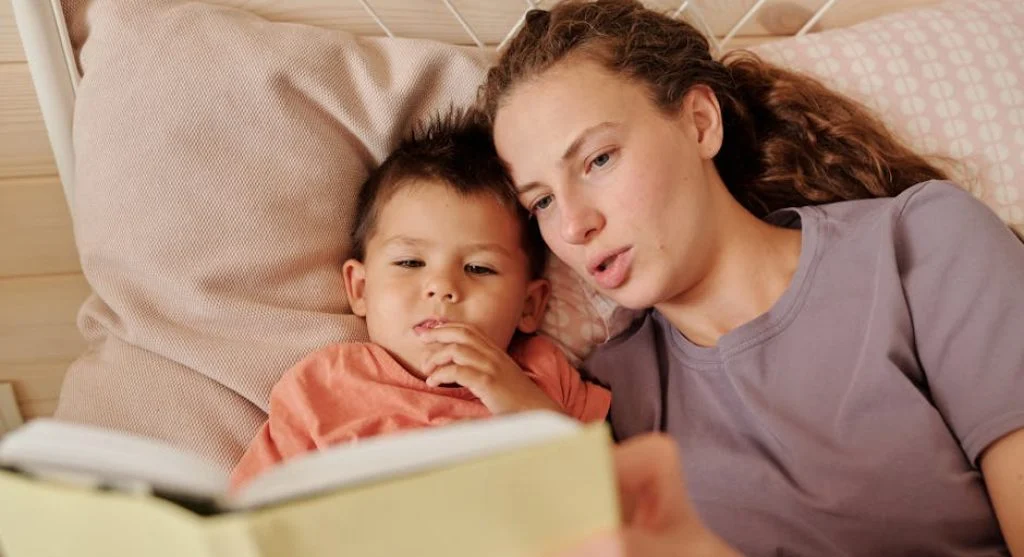
Credit: Jonathan Valdes / Pexels
Quiet Rituals Often Create Room for Conversation
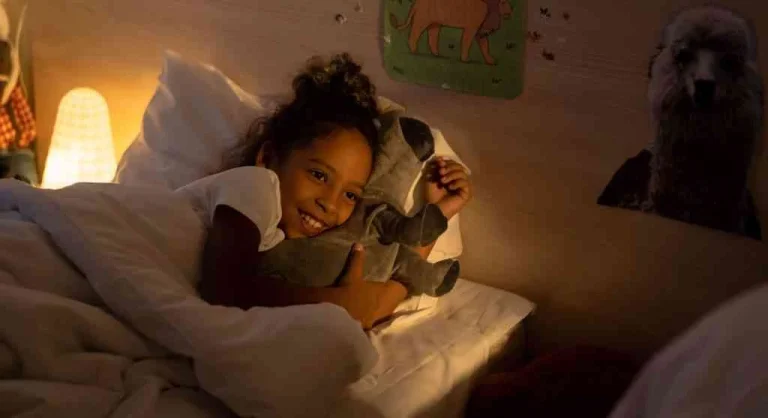
Children frequently talk more naturally during low-pressure repeated moments than during special events. A bedtime ritual, a walk, or a quiet weekly activity often creates space for thoughts, jokes, worries, and small observations to come out without forcing the conversation. That repeated talking can become part of what makes the ritual feel meaningful. Family communication experts often note that children open up most easily in settings that feel safe and familiar. Quiet rituals often provide exactly that kind of space. The child may not later remember every word that was said, but may strongly remember that the ritual felt like a place where closeness and conversation belonged together.Simple Rituals Usually Last Long Enough to Matter Deeply
One practical reason quieter rituals stay with children is that families can often keep doing them over long periods of time. A small tradition that fits ordinary life has a better chance of returning week after week or season after season. This long life gives the ritual more chances to shape childhood memory than a larger celebration that happens rarely. Family routine experts often note that sustainable rituals often become the strongest ones because they keep returning through many stages of family life. A simple repeated pattern can quietly follow a child for years. In many homes, that continued presence is what gives the memory its emotional depth.Children Often Remember How Family Life Felt, Not Only What Happened
Adults sometimes focus on the details of events, but children often remember the feeling more than the exact activity. A quiet ritual may stay vivid because it felt warm, peaceful, funny, cozy, or dependable. That emotional impression can become part of how the child remembers home life overall. Children often remember quiet family rituals more than busy celebrations because quiet repeated moments make belonging feel clear and steady. In many homes, these rituals become the places where children learn what calm connection feels like. That feeling, repeated often enough, is what memory tends to keep.Key Takeaway
Children often remember quiet family rituals more than busy celebrations because repeated calm moments are easier to absorb, easier to trust, and easier to connect with emotionally. Simple rituals often build stronger feelings of belonging through repetition and familiarity rather than through size or excitement. Families usually create some of their deepest long-term memories through small traditions that fit everyday life and return often. In many homes, quiet repeated rituals become lasting anchors of childhood connection and security.