
Why Children Often Seem More Sensitive to Mistakes Right After They Start Caring About Doing Things Well
Many parents notice an unexpected change as their children grow. A child who once brushed off mistakes without much concern may suddenly become upset over crooked handwriting, a puzzle piece in the wrong place, spilled juice, losing a game, or getting an answer that is almost but not quite correct. Child development specialists generally note that children often become more sensitive to mistakes soon after they begin caring more about doing things well.
As self-awareness grows, so does self-judgment. In many homes, what first appears to be a new problem is actually a sign that the child is paying closer attention to quality, outcomes, and personal performance. Understanding this stage is important because it can easily be misunderstood. Children may seem overly dramatic, rigid, or easily frustrated when, in reality, they are experiencing a normal developmental shift.
They are becoming more aware of standards, comparing their results, and placing greater value on how things turn out. Development experts often explain that this growing concern usually appears before children have developed the emotional skills needed to cope with disappointment. Recognizing this pattern helps families support confidence without assuming every emotional reaction to a mistake is a sign of weakness or defiance.
Caring More Often Comes Before Better Coping
Adults sometimes expect children to become more emotionally resilient at the same time they become more motivated. In reality, these skills often develop at different speeds. A child may suddenly care much more about getting something right while still lacking the emotional flexibility to handle mistakes comfortably.
Child development experts generally explain that growth is rarely perfectly balanced. In many families, children become more invested in their performance before they become better at recovering from setbacks. That mismatch can create strong emotional reactions during what is actually a healthy stage of learning and development.
Mistakes Begin to Feel More Personal
When children are very young, mistakes often feel like ordinary parts of learning. As they mature, they begin noticing whether their work is neat, accurate, or matches expectations. Once this awareness develops, mistakes may stop feeling like isolated events and begin feeling connected to how they see themselves. A drawing that doesn’t look right or an incorrect answer can suddenly feel much more personal.
Family behavior specialists generally note that children become more emotionally reactive when mistakes begin carrying meaning about who they are. In many homes, children are not simply upset because something went wrong they are worried about what that mistake says about them.

Higher Standards Often Bring Greater Sensitivity
One reason this phase can seem to appear so suddenly is that children’s internal standards often develop quickly. They may begin caring more about neatness, fairness, speed, winning, or getting the “right” answer in a relatively short period of time. As those standards become stronger, everyday mistakes naturally become more noticeable.
Development specialists generally explain that developing personal standards is an important milestone, even though it can temporarily make children more emotionally vulnerable. In many families, children who were previously relaxed about small mistakes suddenly react much more strongly because their expectations of themselves have changed.
Trying Harder Can Make Mistakes Feel Bigger
Parents are often pleased when children begin putting more effort into their work. They may slow down, pay closer attention, or want their results to look better. However, greater effort can also lead to greater frustration. When children invest more of themselves in an activity, mistakes naturally feel more disappointing.
Parenting experts generally note that increased motivation often arrives alongside increased sensitivity. In many homes, children are not becoming fragile they are simply investing more of themselves in what they are doing, making mistakes feel more emotionally significant.
This Can Happen in Every Area of Life
Sensitivity to mistakes is not limited to schoolwork. Some children experience it while learning to ride a bike, playing sports, building with blocks, coloring, singing, cooking, or helping with household tasks. Others become upset when getting dressed incorrectly or arranging something the “wrong” way. The pattern often appears anywhere children begin caring about the outcome.
Child development specialists generally explain that this widespread pattern reflects an important developmental stage rather than difficulty in one specific area. In many families, children become more emotionally invested across multiple parts of daily life as their awareness grows.

Children Often Need Help Separating Mistakes From Self-Worth
As children begin caring more about their performance, one of the most important lessons they learn is that mistakes do not define who they are. At first, this distinction is not obvious. An incorrect answer may feel like “I’m bad at this,” while losing a game may become “I’m not good enough.” Children often need many experiences before they fully understand that making mistakes does not change their value as a person.
Family communication experts generally explain that children gradually learn to separate performance from identity through repeated supportive experiences rather than one conversation. In many homes, guidance becomes much more effective when adults recognize that children’s reactions are often tied to self-worth instead of simply the mistake itself.
Sensitivity Can Reflect Growth, Not Failure
Parents sometimes worry that stronger reactions to mistakes mean their child is losing confidence. While confidence can certainly play a role, this stage often reflects meaningful developmental progress. Children are paying closer attention, noticing quality, and evaluating their work more carefully than before. Those are valuable skills, even if the emotional side has not fully caught up.
Development guidance often suggests that many stages of growth appear messy before they become mature. In many families, heightened sensitivity is simply part of the transition between carefree early learning and later resilience.
Learning to Recover Is More Important Than Avoiding Mistakes
One of the biggest goals during this stage is not to stop children from caring. Instead, it is to help them recover when disappointment happens. Children benefit from repeatedly experiencing mistakes, staying emotionally supported, trying again, and discovering that setbacks can be overcome. Over time, those experiences help build resilience.
Child behavior experts generally explain that confidence grows when children learn they can recover from mistakes rather than avoid them entirely. In many homes, emotional reactions gradually soften because children gain repeated evidence that errors can be corrected, learned from, and left behind.
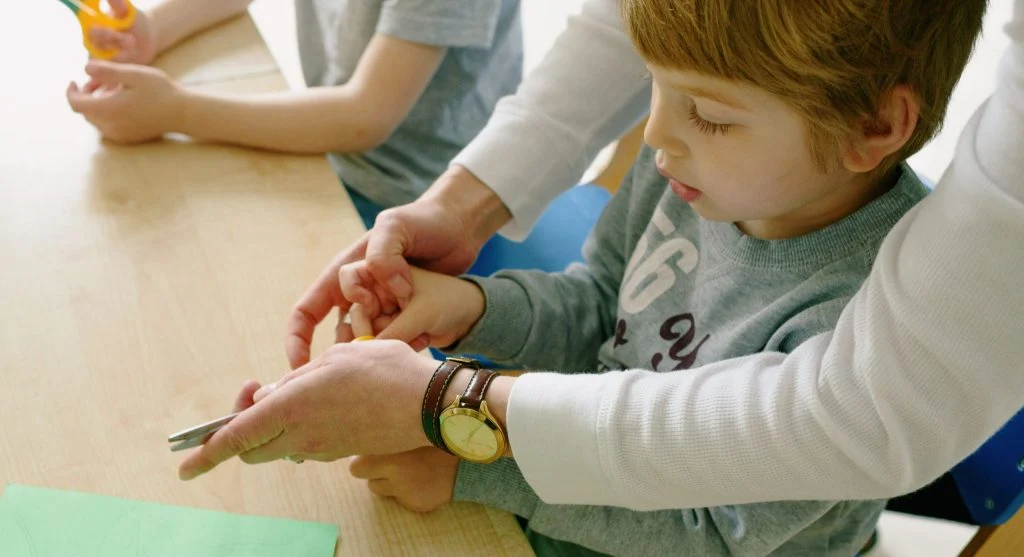
Parents Often Help Most by Recognizing the Feelings Behind the Mistake
It can be tempting to reassure children by saying the mistake is not a big deal. While that may be true from an adult’s perspective, it may not match how the child feels. Children often respond better when adults acknowledge the disappointment before helping them move forward.
Parenting specialists generally note that children calm down more easily when adults respond to the emotional meaning behind the mistake instead of focusing only on its size. In many homes, children become easier to guide once they feel that their effort and feelings have been understood.
This Stage Usually Becomes Easier Over Time
Most children do not remain highly sensitive to mistakes forever. As they gain experience, develop stronger emotional skills, and become more comfortable recovering from setbacks, their reactions usually become less intense. They continue caring about doing well, but they become much better at handling imperfections without feeling overwhelmed.
Child development specialists generally explain that this gradual change reflects stronger emotional regulation rather than reduced ambition. In many families, children eventually reach a point where caring about success and coping with mistakes begin working together more comfortably.
Why Children Often Become More Sensitive to Mistakes
Children often become more sensitive to mistakes shortly after they begin caring about doing things well because awareness of quality typically develops before emotional resilience does. They notice errors more clearly, invest more of themselves in their efforts, and have not yet learned how to separate mistakes from their sense of self. As a result, even small errors can suddenly feel much more significant.
In many families, understanding this stage changes how parents interpret these emotional reactions. What first appears to be unnecessary frustration is often evidence of meaningful growth. With patience, encouragement, and repeated opportunities to recover from mistakes, children gradually learn to keep caring deeply while responding more calmly when things do not go perfectly.
FAQ
Why is my child suddenly getting upset about small mistakes?
Often because the child has started caring more about doing things well but does not yet have equally strong skills for handling disappointment.
Does this mean my child is becoming a perfectionist?
Not necessarily. Many children pass through a stage of higher mistake sensitivity as part of normal emotional and cognitive development.
Is this a bad sign for confidence?
Not always. It can also be a sign that the child is noticing quality, standards, and effort more seriously than before.
Will children usually outgrow this stage?
Often yes. As emotional recovery skills improve, many children become better able to care about outcomes without reacting as strongly to every mistake.
Internal Linking Suggestions
Link this article to posts about resilience in children, emotional development milestones, helping children handle frustration, confidence during learning, and calm parenting during difficult moments.
Key Takeaway
Children often become more sensitive to mistakes soon after they begin caring about doing things well because self-awareness usually develops before emotional resilience. They notice more, invest more effort, and experience mistakes more personally than they did before. Families often provide the best support by recognizing the genuine caring behind the reaction and helping children practice recovery instead of expecting perfection. Over time, this stage can become an important foundation for confidence, persistence, and emotional maturity.