Why Children Often Brush Teeth With Less Resistance When the Water Is Already Running Before the Reminder
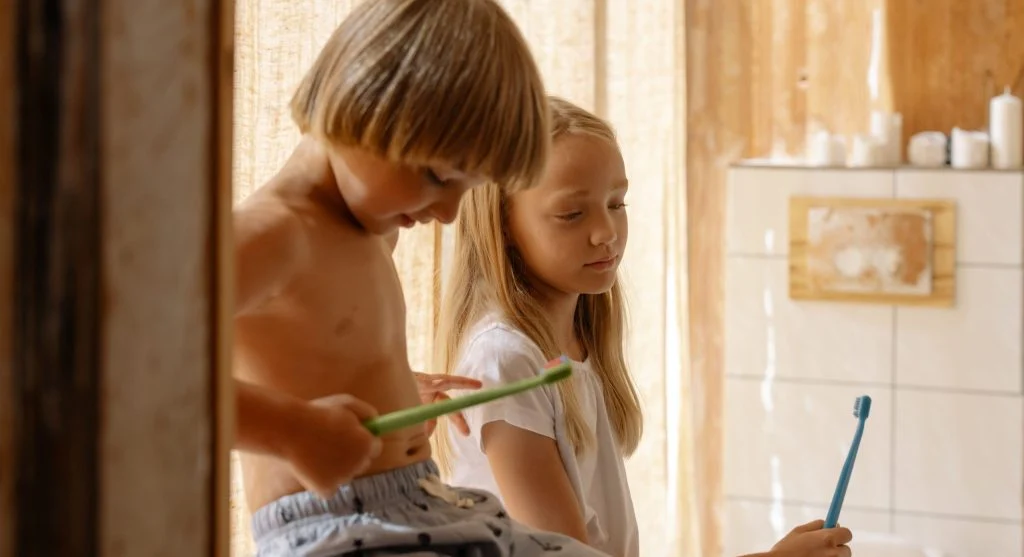
Toothbrushing often becomes a surprisingly emotional part of daily family life. A child who was calm during earlier parts of the routine may suddenly delay, argue, wander, or act as though brushing teeth is an enormous request. Parenting specialists generally note that children often brush teeth with less resistance when the water is already running before the reminder because the environment begins the transition before the words do. In many homes, the struggle is not only about the toothbrush. It is about the sudden shift from one activity into another without enough physical momentum to carry the child forward.
This matters because children usually move through routines more easily when the next step is already physically taking shape around them. Development guidance often suggests that small environmental cues can lower resistance more effectively than repeated instructions alone. A sink already running, toothpaste already on the brush, or stool already in place can make toothbrushing feel like the next active moment instead of a fresh demand dropped into the child’s day. Over time, this small setup change can reduce bedtime stress and help brushing feel like a smoother part of the routine.
Toothbrushing Resistance Often Begins Before the Child Even Reaches the Sink
Adults sometimes assume the resistance is about brushing itself. In reality, many children start resisting before they are even in the bathroom. They hear the reminder, know a transition is coming, and react to the interruption more than to the task. The activity they were doing feels active and familiar. Toothbrushing feels like a stop sign.
Child development specialists generally explain that children often struggle more with changing activities than with the activity itself. In many families, the child’s protest begins at the moment of transition, not at the moment the toothbrush actually enters the mouth. That is why changing how the transition begins can help so much.
Running Water Makes the Routine Feel Already in Motion
When the water is already running before the reminder, the routine feels different. The bathroom is no longer waiting in silence for the child to decide whether to cooperate. Something has already started. The sound of running water signals that the next step is active, present, and physically real. For many children, that reduces the feeling that brushing is a new demand being imposed from nowhere.
Family routine experts generally note that children often join routines more easily when the environment suggests movement before the adult adds more words. In many homes, the sound of water makes brushing feel less like a debate and more like an event the child is stepping into.
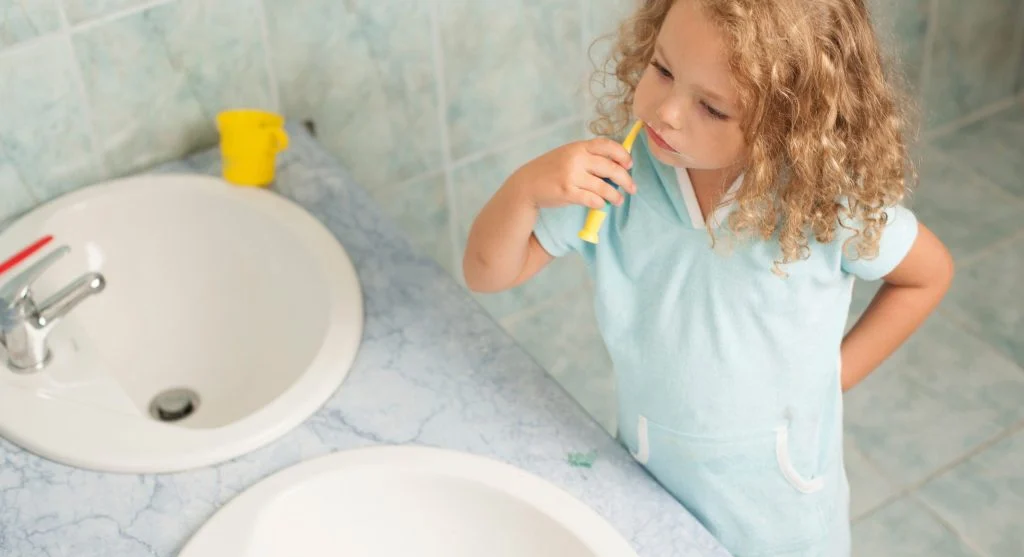
Children Often Respond Better to Sensory Cues Than to Repeated Reminders
Many routines are built almost entirely out of words. Parents remind, explain, warn, and repeat. Children, however, often respond strongly to sensory cues such as sound, light, and physical setup. Running water is one of those cues. It does not require the child to process a full verbal instruction before acting. It communicates through the environment.
Development specialists generally note that children often use sensory information to guide behavior long before adults realize it. In many homes, the sound of the sink works because it helps the child’s body orient toward the bathroom even before the mind finishes negotiating whether the routine is welcome.
Prepared Environments Often Reduce the Chance for Delay
When brushing has not started in any visible way, children often find room to delay. They may finish another toy, ask an unrelated question, wander into another room, or suddenly become interested in anything except the sink. A bathroom that is already active reduces that open space. The routine has a stronger center, and the child has fewer empty seconds in which resistance can grow.
Child behavior experts generally explain that many routine struggles build in unstructured gaps. In many families, running water closes one of those gaps. The child arrives to something already happening rather than to a blank instruction that leaves too much room for stalling.
The Sound of Water Can Help the Child’s Body Shift Gears
Transitions are not only mental. They are bodily. A child playing on the floor, moving through the kitchen, or winding down in pajamas often needs help shifting into a new rhythm. The sound of running water can help with that shift because it creates an audible cue that something different is now beginning. It can function almost like a bridge between activities.
Family relationship specialists generally note that children often regulate better when transitions include a clear sensory marker. In many homes, the child’s body settles into the next routine more easily when the bathroom already sounds like toothbrushing time instead of feeling like an abrupt interruption.
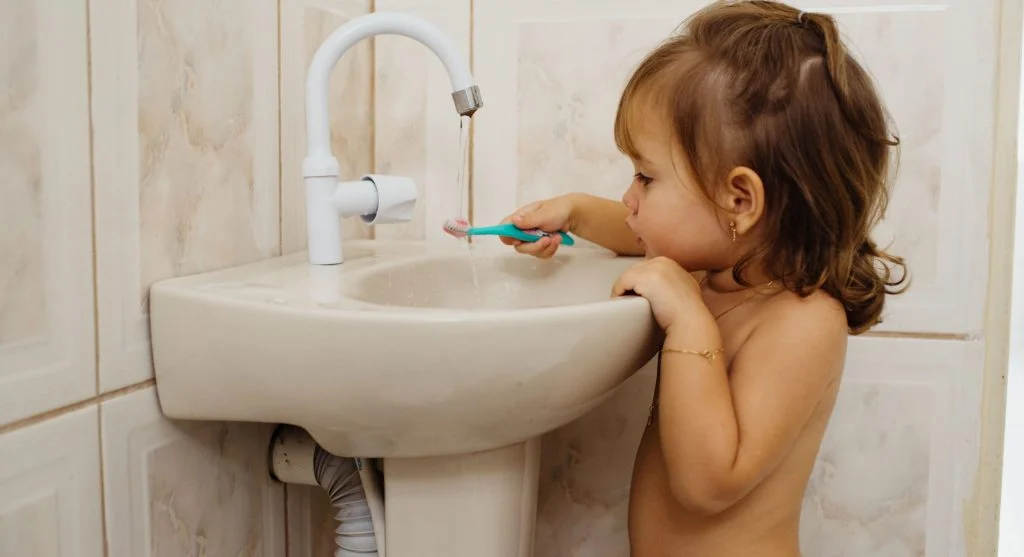
Children Often Argue Less When the Task Looks Smaller and More Immediate
A spoken reminder such as “Go brush your teeth” can sound large to a child. It contains several hidden steps: stop what you are doing, go to the bathroom, find the sink, get the brush, turn on the water, and begin. When the sink is already running, some of those invisible steps disappear. The task becomes shorter and more immediate.
Parenting specialists generally note that children often cooperate better when adults reduce the size of the request without reducing the expectation. In many families, the routine becomes easier because the child no longer has to build the whole task from scratch. The first part is already waiting.
This Strategy Often Helps Most at Tired Times of Day
Toothbrushing resistance is especially common when children are tired. Morning rush and evening wind-down are both moments when patience, focus, and flexibility may already be low. These are exactly the times when small environmental supports can matter most. A child with low energy often benefits more from a setup that carries part of the routine than from extra instructions.
Development guidance often suggests that routine supports should increase as energy decreases. In many homes, a running sink works best not because the child suddenly loves brushing, but because the routine now asks less from a tired brain and body at a difficult time of day.
Parents Often Stay Calmer When the Routine Starts Before They Speak
This approach can help adults too. Repeated reminders about toothbrushing often create tension quickly because parents already expect resistance. A physical setup can interrupt that pattern. When the water is already running, the adult no longer has to begin with a nagging tone or a frustrated repeat. The reminder can stay shorter and calmer because the environment is already carrying part of the message.
Family routine experts generally note that children respond strongly to adult tone during repetitive care tasks. In many homes, brushing improves once the parent sounds less like a person trying to force the next step and more like a guide into a routine that is already underway.
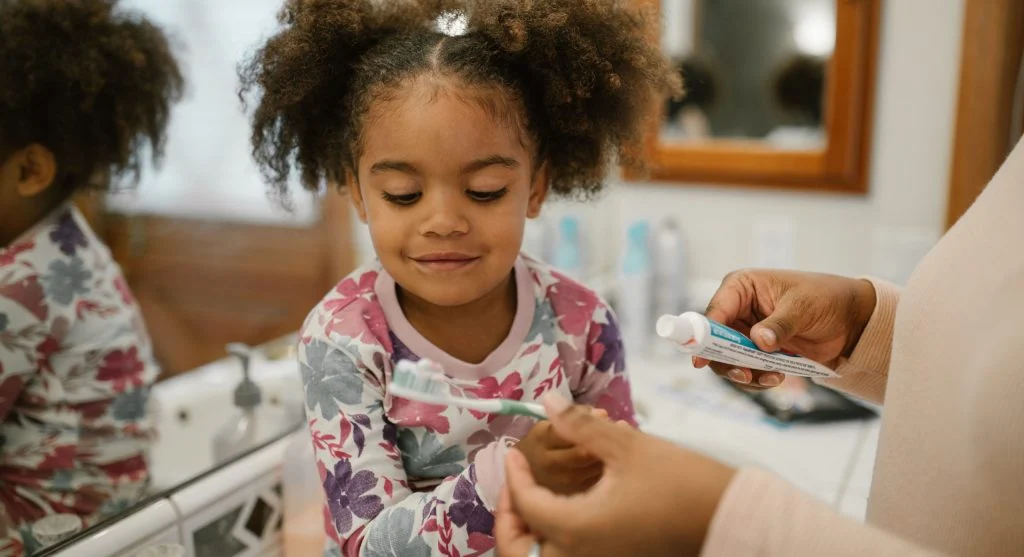
This Does Not Mean the Child Will Never Resist Again
Running water is not a magic answer to every bedtime struggle. Children may still resist on difficult days, and some will need additional support around sensory discomfort, control, or routine fatigue. Yet small environmental shifts often change more than parents expect because they reduce the number of friction points before the task begins.
Child development specialists generally explain that many routine improvements come from small repeated adjustments rather than one dramatic solution. In many families, the running sink helps because it reshapes the opening of the brushing moment enough to make cooperation easier most days.
Simple Setup Changes Often Work Better Than More Explanation
Parents naturally try to explain why brushing matters, remind children of the rule, or ask for cooperation more clearly. Those things have value, but repeated explanation does not always solve everyday resistance. Practical setup often works better because it changes the child’s experience of the moment instead of only changing the words around it.
Parenting specialists generally note that children often follow care routines more smoothly when the environment does some of the work. In many homes, this is why running water before the reminder feels effective. It changes the shape of the routine, not just the speech used to deliver it.
Why Children Often Brush Teeth With Less Resistance
Children often brush teeth with less resistance when the water is already running before the reminder because the transition into the task feels more physical, more immediate, and less negotiable. The bathroom is already active, the routine has already begun, and the child does not have to carry the full weight of starting from zero. That often makes brushing feel less like a demand and more like the next step in motion.
In many families, smoother toothbrushing does not come from stronger reminders alone. It comes from changing the setup around the reminder. Over time, one simple cue such as a running sink can make daily brushing calmer, quicker, and easier for both parents and children.
FAQ
Why does running water help with toothbrushing resistance?
It creates a sensory cue that the routine has already started, which can make the transition feel more immediate and less like a fresh demand.
Does this work better at bedtime or in the morning?
It can help at both times, but many families notice the biggest difference when children are tired and transitions feel harder.
Should parents still give a verbal reminder?
Yes. The reminder still matters, but it often works better when the environment is already supporting the next step.
What if my child still resists brushing?
This strategy can help reduce routine friction, but some children may also need support for sensory discomfort, control struggles, or broader bedtime stress.
Internal Linking Suggestions
Link this article to posts about bedtime routines, reducing daily resistance at home, smoother hygiene habits for kids, parenting tips for transitions, and practical environment-based routine supports.
Key Takeaway
Children often brush teeth with less resistance when the water is already running before the reminder because the routine feels more active and easier to enter. A prepared sink can reduce transition friction, lower delay, and help the child step into brushing with less emotional pushback. Families often find that small environment changes work better than extra reminders alone. Over time, this simple habit can make toothbrushing calmer and more manageable in everyday family life.