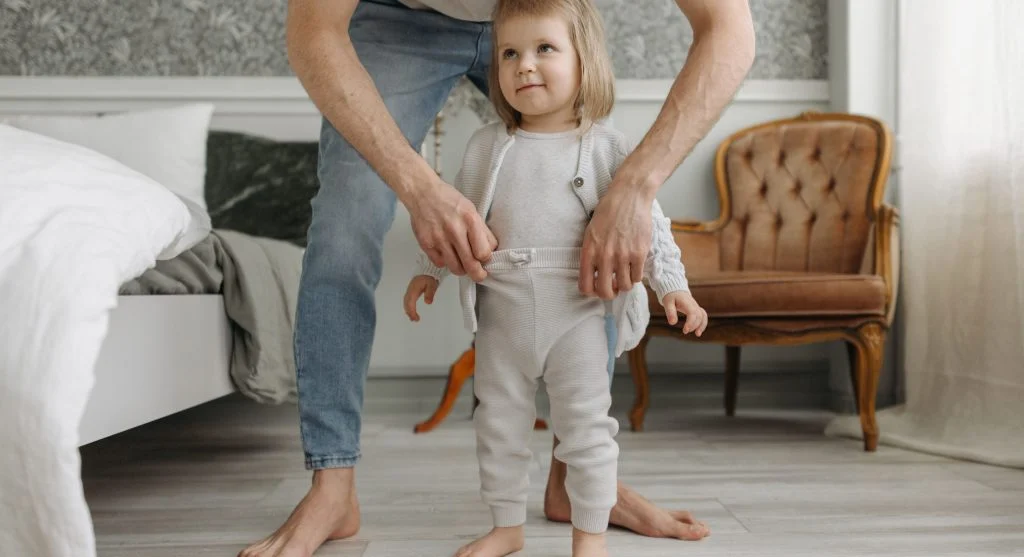
Why Children Often Get Dressed More Easily When Only the First Clothing Choice Is Made for Them
Getting dressed can become one of the most surprisingly difficult parts of the day. Even when children know exactly what the routine is, they may stall, wander away, reject every outfit, or stand half-dressed while the clock keeps ticking. Parenting specialists generally note that children often get dressed more easily when parents choose only the first clothing item for them because the biggest challenge is often getting started, not finishing. In many homes, children are not resisting every part of the routine.
They are simply getting stuck at the very beginning, where too many choices meet too little momentum. This matters because getting dressed involves far more mental effort than adults sometimes realize. Children may need to stop playing, shift their attention, choose between several clothing options, decide what goes on first, and begin a completely different activity all within a few moments.
Development experts often explain that when the first item, such as a shirt, socks, or underwear, is already selected, the routine becomes much easier to enter. Children still complete the rest of the task themselves, but they begin with a clearer starting point instead of an overwhelming number of decisions.
Starting the Routine Is Often the Hardest Part
Adults sometimes assume the entire dressing routine is the problem. In reality, many children move through the middle and end of the routine quite smoothly once they have actually started. The biggest delay often happens before the first piece of clothing goes on. At that point, children are still mentally connected to what they were doing before and may be distracted by everything around them.
Child development specialists generally explain that beginnings carry special weight for children. In many families, dressing becomes much easier once the first item is on because the child has already shifted into the activity. The biggest obstacle is often crossing that first threshold, not completing the routine.
Too Many Choices Can Slow Everything Down
Giving children choices is valuable, but timing matters. Asking them to choose every item before they have even started dressing can create unnecessary pressure. Should they wear the blue shirt or the green one? Jeans or leggings? Plain socks or striped socks? Especially during busy mornings or tired evenings, those decisions can become overwhelming.
Family routine experts generally note that children benefit most when independence is introduced in manageable pieces. In many homes, the first clothing decision creates the greatest delay because children have not yet settled into the routine enough to handle several choices comfortably.
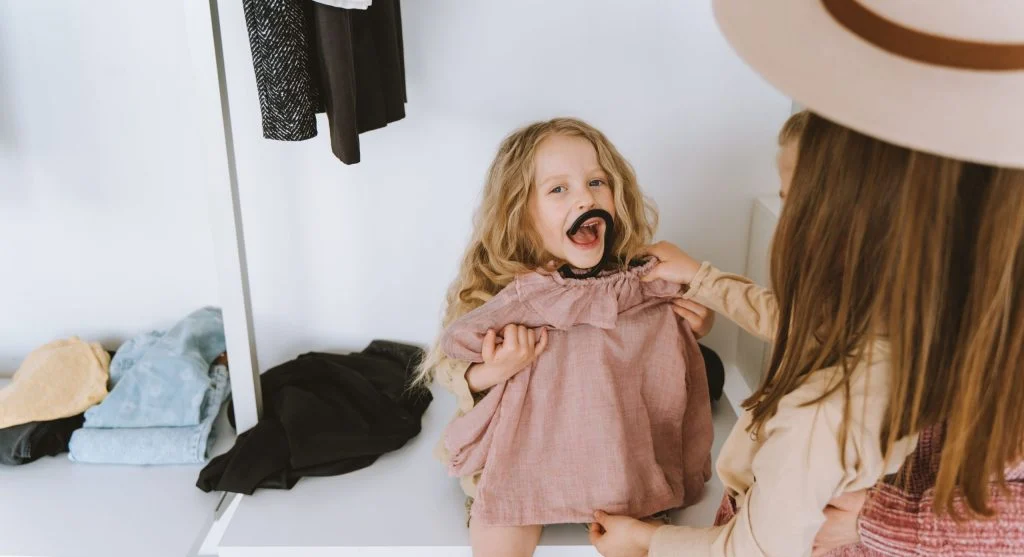
One Chosen Item Creates Momentum
When the first clothing item is already waiting, children can begin immediately instead of stopping to decide. A shirt placed on the bed or a pair of socks handed to the child quietly communicates where the routine begins. Once movement starts, continuing often feels much easier.
Development specialists generally explain that children tend to cooperate more readily after they have already begun an activity. In many homes, selecting only the first item gives the routine enough momentum that the remaining steps happen with much less resistance.
Children Often Need a Clear Starting Point More Than Total Control
Sometimes dressing struggles are not really about wanting complete control. Instead, children may simply need help getting started. A child who strongly resists choosing clothes may become much more cooperative after the first piece is already on. This suggests the challenge is often entering the routine rather than refusing to get dressed altogether.
Parenting specialists generally note that guided beginnings paired with growing independence often work well. In many families, children still participate actively in choosing and dressing themselves, but the first step is supported just enough to keep the routine moving.
The First Item Helps Organize Everything That Follows
One clothing item often provides structure for the rest of the routine. Once a shirt is on, children naturally move toward finding pants. Once underwear is on, dressing no longer feels like something they still need to start it feels like something already in progress.
Child behavior experts generally explain that children often understand routines more easily once they become physically engaged in them. In many homes, the first clothing item acts as a simple organizing signal that helps children see the rest of the sequence more clearly.
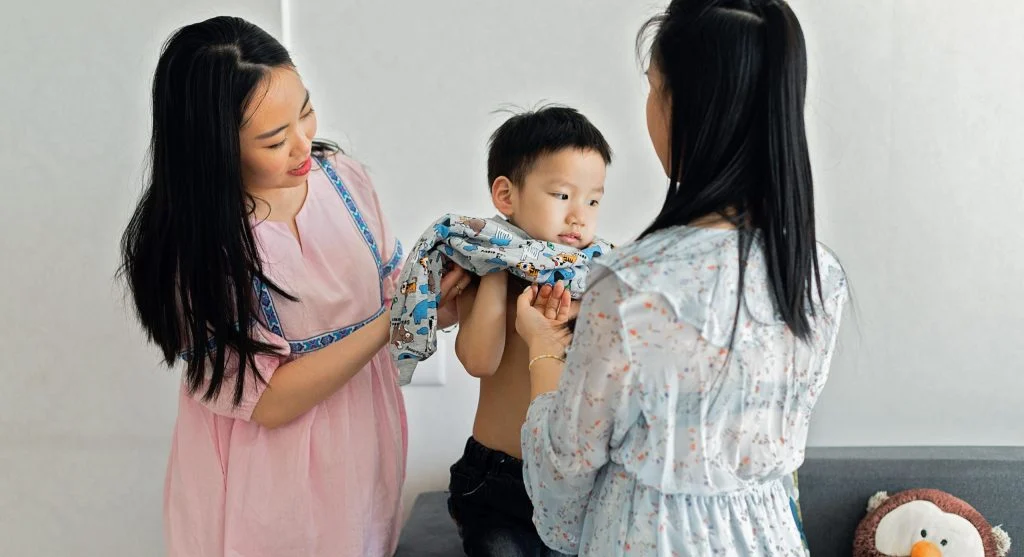
This Can Reduce Morning Power Struggles
Morning routines tend to magnify even small delays because families are working against the clock. When children are expected to make several clothing decisions before getting dressed, frustration can quickly build. Choosing just the first item reduces some of that pressure without taking away the child’s opportunity to participate.
Family communication specialists generally note that power struggles often become smaller when adults simplify the beginning of the routine. In many homes, dressing feels less emotionally charged because the first step has already been decided.
It Can Help at Bedtime Too
This approach is not limited to rushed mornings. It can also make bedtime routines easier, especially when tired children resist putting on pajamas. Fatigue often makes it harder for children to shift attention, make decisions, and begin new routines. Choosing the first pajama item in advance provides the gentle support many children need to get started.
Development experts generally explain that as children’s energy decreases, they often benefit from additional structure. In many families, bedtime dressing becomes smoother because the child no longer has to make several decisions at the most tiring part of the day.
Early Success Encourages Cooperation
How children begin a routine often shapes how they feel about the rest of it. When they experience success right away, they are more likely to continue willingly. If they struggle before they even start, frustration can build quickly. Selecting the first clothing item gives children an easy first success that often changes the mood of the entire routine.
Child development specialists generally note that successful beginnings encourage greater cooperation. In many homes, children continue dressing more willingly simply because the hardest moment the first step has already been made easier.
Parents Often Feel Calmer Too
This small adjustment benefits parents as well. Much of the frustration surrounding dressing comes from repeatedly negotiating those first few minutes. When the first item has already been chosen, adults spend less time persuading and more time calmly guiding the routine.
Parenting experts generally explain that children respond strongly to steady, relaxed adult behavior during daily routines. In many families, simplifying the first clothing choice helps parents remain calmer, which often encourages children to cooperate more willingly.
Choosing the First Item Still Supports Independence
Some parents worry that selecting the first clothing item means doing too much for their child. In reality, this strategy simply provides support at the point where children often struggle the most. After getting started, children can continue dressing themselves, choose later items, or make small adjustments on their own.
Family routine experts generally note that children often use independence more successfully once they are already engaged in the activity. In many homes, choosing the first item does not reduce independence it simply gives children an easier way to begin using it.
Why Children Often Get Dressed More Easily
Children often get dressed more easily when parents choose only the first clothing item because beginning the routine is frequently more difficult than completing it. One prepared item reduces decision overload, creates momentum, and helps children move from hesitation into action. That small amount of guidance can completely change how the rest of the routine feels.
In many families, smoother dressing routines come not from offering more reminders or more choices, but from creating a better starting point. Over time, helping children move through the first step with confidence can reduce resistance, encourage independence, and make everyday routines calmer for everyone.
FAQ
Why does choosing only the first item help so much?
Because many children struggle most at the beginning of the routine. A first chosen item makes it easier to start without overwhelming the child with too many decisions at once.
Does this mean children should not pick their own clothes?
No. Children can still have choices. This method simply delays or reduces choice at the hardest starting moment so the routine can begin more smoothly.
Can this work for bedtime pajamas too?
Yes. It can help both in the morning and at night, especially when tiredness or time pressure makes transitions harder.
What first item works best to choose?
It varies by child, but a shirt, underwear, or socks often works well because it gives the routine a clear and simple opening move.
Internal Linking Suggestions
Link this article to posts about school morning routines, bedtime transitions, reducing power struggles at home, smoother daily routines for children, and simple ways to support independence in young kids.
Key Takeaway
Children often get dressed more easily when parents choose only the first clothing item because the biggest challenge is usually starting the routine, not finishing it. One simple choice creates momentum, reduces decision overload, and helps children transition into dressing with less frustration. Families often find that simplifying the beginning leads to smoother mornings, calmer evenings, and greater independence over time.