Why Children Often Learn Better When New Skills Connect to Daily Life
Kids usually learn best when new abilities relate to what they do every day, even though families frequently help with learning by making time for books, work pages, or proper drills. So, a child will understand something better if it comes up while you’re cooking, at the store, while tidying up, during a chat, or during games, rather than just during dedicated lessons. In a lot of families, the best learning happens when kids can see how a skill fits with the world they already understand.
This is important because kids are still figuring out how to apply what they know to different situations. A skill that feels quite theoretical in a book of exercises will likely become much clearer when it is part of something they do regularly. Experts in how children grow and learn frequently say that children really strengthen their comprehension when learning is connected to experiences that are important to them. If a new skill is linked to something in the real world, the child will generally be able to spot it, hold onto it in their memory, and use it again in the future with more ease.
Real-Life Context Makes Learning Feel More Understandable
Kids pick things up more readily when they understand why they’re learning something. For example, counting apples, pairing up socks, assisting with measuring in cooking, or deciphering shop signs while walking turns the skill into something they can actually use. Because the idea isn’t being looked at all by itself, learning this way just feels more understandable. Those who study education frequently point out that understanding something gives you focus. A child is much more likely to be focused on a new ability when they can tie it to something in the actual world, because the learning then has a point. They don’t need to question the value of what they’re doing; instead they can see what the skill allows them to accomplish.
Children Often Remember Skills Better When Experience Is Involved
We generally remember things better when learning is done with something, or with an activity, or as part of family habits done over and over. For example, a child who counts as they put plates and silverware on the table or picks up new words during laundry will likely learn those things more easily.
This is because what they’re learning is connected to what they’ve physically felt, what they’ve observed, and how they’re feeling. They associate the learning with items they’ve held, things they’ve looked at, or activities they’ve been a part of. Experts in how children grow and learn say memory usually gets a boost from lots of different kinds of experiences at the same time. When kids listen, look, move, and get involved, all of these things help them learn.
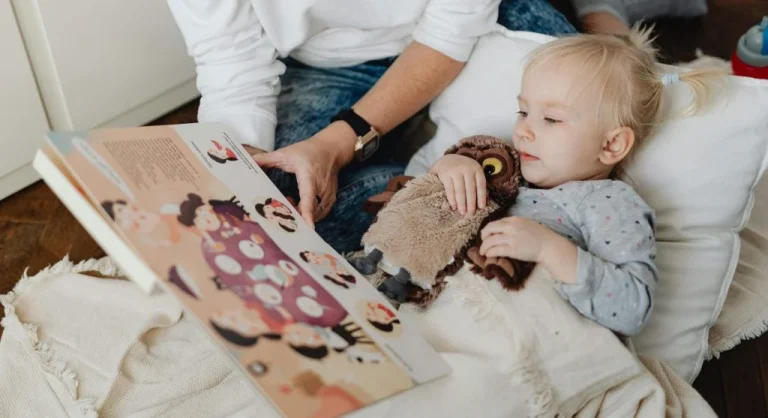
Credit: Andrea Piacquadio / Pexels
Daily Life Gives Children Repeated Chances to Practice
Because things happen the same way each day, learning from actual living is so successful. Kids might count the stairs every morning, be introduced to different words with their food, learn to wait their turn as the family talks, or find shapes and letters when you’re out doing things. These chances to do things over and over are important; a child generally needs to experience something lots of times before it truly clicks and they can do it without thinking. Experts in both education and family schedules say that lots of tiny, repeated experiences are often much better for learning than big, infrequent events. And everyday life just has all those little repetitions. Families will often realize, when they start to pay attention, that learning is already going on in lots of normal parts of the day.
Home Learning Often Feels Less Pressured When It Is Practical
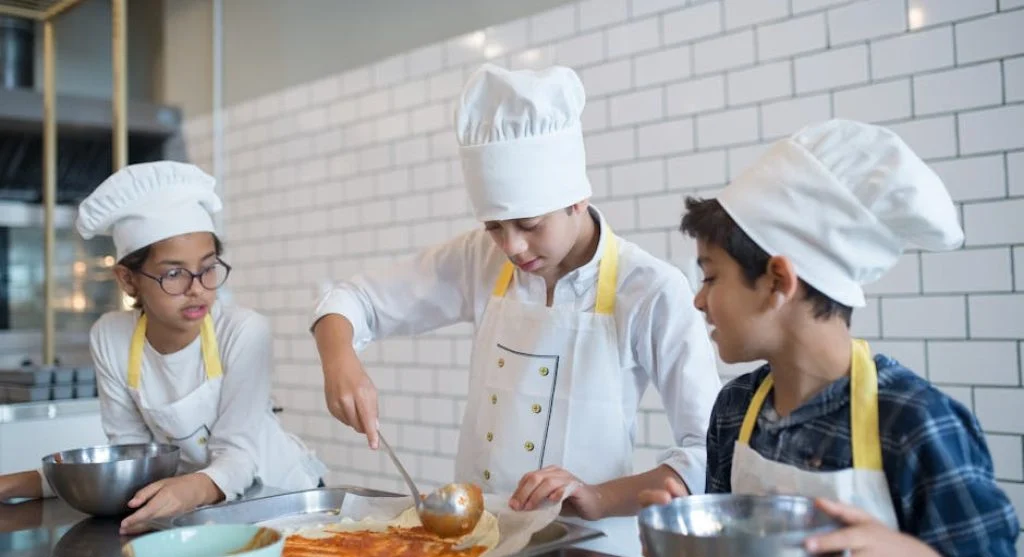
Kids sometimes don’t like doing proper practice, as it’s one more thing they’re told to do after they’ve already had a busy day. You can lessen that feeling by fitting learning into normal, daily life, so the ability doesn’t seem like a specific thing to do but more as a normal part of everything. So, a child will probably be much more inclined to compare how big things are as they’re putting the shopping away, or to read what’s on containers when helping in the kitchen, than to sit at a table for a lesson on the same concept.
People who know about families and how kids learn very often say that teaching in a relaxed way gets children to take part more. They are likely to be much more receptive and not get so on the guard if what they’re doing doesn’t seem forced.
Children Usually Transfer Skills More Easily When They See Them in Action
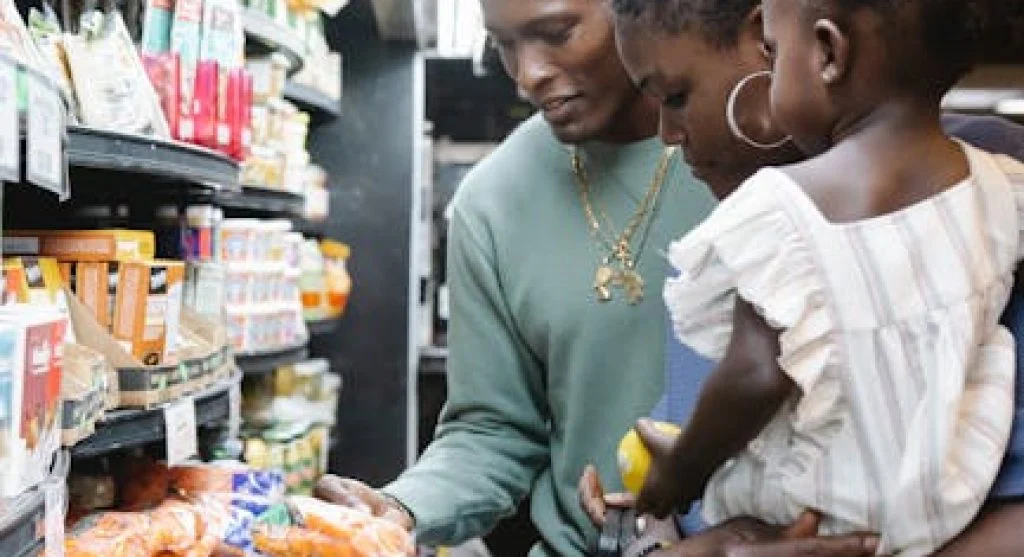
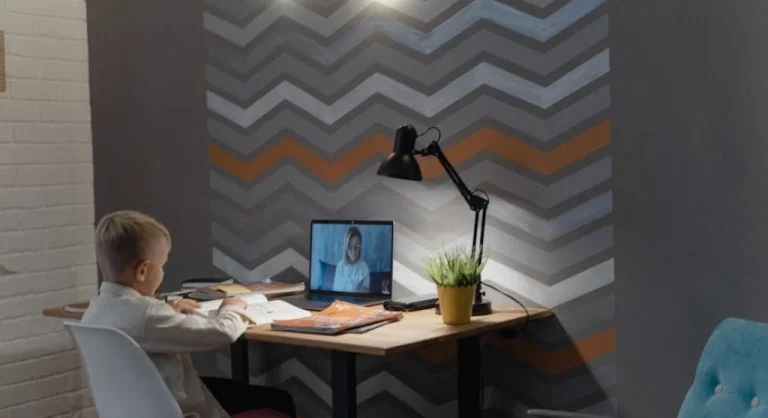
Credit: Kamaji Ogino / Pexels
Everyday Learning Can Strengthen Confidence
Kids usually get a boost in how they feel about themselves when they actually do something with what they’ve learned. Being able to read a single word on the grocery shopping list, totaling the number of napkins for the table, or finding shapes around the house are all ways a child can clearly see they can do something. And those little wins are important, as they demonstrate to the child that school work is useful and that trying hard gets results you can see. Teachers and people who advise on education frequently point out that being confident comes from using things, not just from being told about them. A child who finds a skill useful is much more likely to want to do it again. Eventually, succeeding at these normal, daily things will support their learning at school and make them feel more in control of what they do.
Simple Home Routines Often Provide Strong Learning Opportunities
You don’t need a special lesson plan to fit learning into your family’s day. Mealtimes, tidying up, getting dressed, grocery shopping, a walk, putting things in order, looking at what things say, and even just discussing what you do are all simple ways to practice. But you aren’t aiming to make every second a lesson. What’s important is to realize how much potential for actually using language, math, remembering things, focusing, and figuring things out is already in what your family does. Kids frequently understand things more easily when what they’re being taught relates to their normal routine. That routine provides the significance, lots of chances to do it again, and a setting for it all to make sense. In fact, in a lot of families, these everyday activities are where the most important learning happens.